Jordan Builds Date Industry Around Medjool Exports and New Investment
Jordan produces 35,000-36,000 tonnes of dates annually and exports more than 65% of domestic output to about 55 countries. Industry and government officials are targeting further growth through processing, packaging, technology and better access to overseas markets.
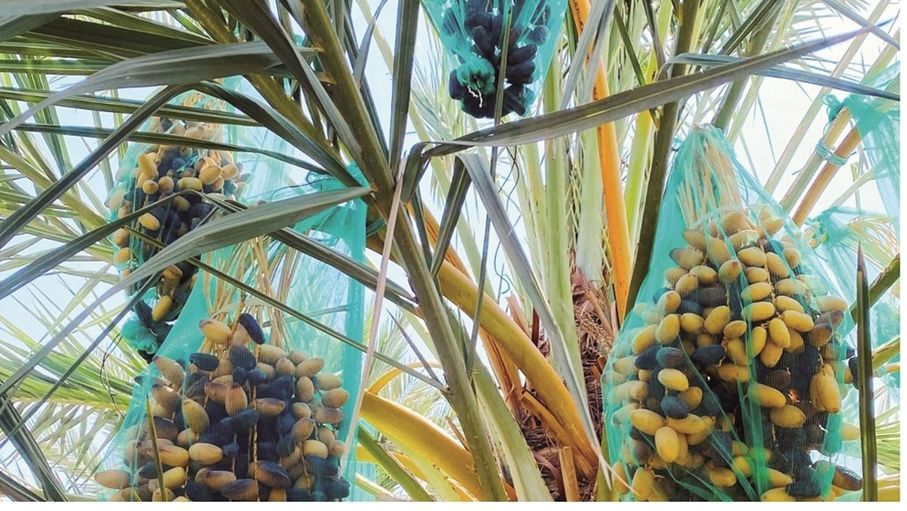
Dates move beyond traditional farming
Jordan’s date sector has developed over the past two decades from a traditional agricultural activity into an investment and export-oriented industry. Producers in the Jordan Valley and Wadi Araba now supply premium fruit to markets in the Gulf, the European Union, the United Kingdom, the United States and Canada.
Speaking during Jordan’s date harvesting event, Agriculture Minister Saeb Khreisat described palms and dates as one of the country’s promising agricultural sectors. He said Jordanian dates have the quality and specifications needed to compete internationally, while the ministry is seeking to improve marketing, agricultural processing and access to additional foreign markets.
Official figures cited by Al Ghad from the Jordan Dates Association and the Ministry of Agriculture put the planted area at more than 45,000 dunums. The industry comprises more than 750,000 trees across over 500 specialized holdings and farms. Medjool, the sector’s premium variety, represents about 85% of the trees planted in the Jordan Valley and Wadi Araba, with varieties including Barhi accounting for the balance.
Exports take most of annual output
Jordan currently produces between 35,000 and 36,000 tonnes of dates a year, according to the official industry figures reported by Al Ghad. More than 65% of domestic production is exported to approximately 55 countries, generating annual export revenue exceeding $60 million. Jordan’s share of global demand for Medjool dates has reached 15%.
A separate 2023 dataset presented by Paul Opio, the Food and Agriculture Organization’s representative in Jordan, recorded around 44,000 dunums planted with date palms and production of approximately 32,650 metric tonnes. The difference from the more recent official industry figures reflects the distinct reporting periods and datasets cited at the event.
Further expansion will depend on more than additional orchards. Khreisat identified food processing, grading, packaging and marketing as areas capable of raising the product’s value and competitiveness. Anwar Haddad, president of the Jordan Dates Association, also called for closer cooperation among government, private companies and international institutions to strengthen the Medjool value chain and remove obstacles to reaching global markets.
Technology, water and labor shape the next phase
Former prime minister Adnan Badran said continued development requires coordination among the National Agricultural Research Center, universities, the Agriculture Ministry, the Jordan Valley Authority, growers and professional organizations. The proposed agenda includes scientific research, modern cultivation technologies, digital systems and artificial intelligence.
Water management, climate adaptation and pest control remain central constraints in the Jordan Valley and Wadi Araba. FAO is supporting the industry through its One Country One Priority Product initiative, focusing on value-chain analysis, coordination, investment partnerships and a long-term development plan. The sector also supports packaging, cold storage, maintenance and logistics businesses. Women account for more than 50% to 70% of the workforce at grading, packing and sorting stations, particularly during the harvest and sorting season from August through November. For growers and exporters, the next gains will therefore depend on productivity and quality improvements alongside reliable labor, efficient water use and stronger post-harvest capacity.