Jember Exports 90% of Its Cigar Output, Reaching Almost 45 Countries
Six cigar factories in Indonesia's Jember regency send about 90% of their output abroad, with products reaching almost 45 countries, according to Disway Mojokerto. Jember cigars are also distributed through duty-free outlets in around 10 countries, while the local administration pushes tobacco processing and social protection for growers.
Six factories, an export-first structure
Around 90% of the cigars manufactured in Jember, a regency in Indonesia's East Java province, is sold to foreign markets, and the product has reached almost 45 countries, Disway Mojokerto reported. Six cigar plants operate in the district. Their combined output, according to the local administration, has made Jember the country's largest contributor to cigar exports. The area is better known as a leaf-tobacco growing region, and the export figure reflects an effort to move further down the processing chain rather than to ship raw material.
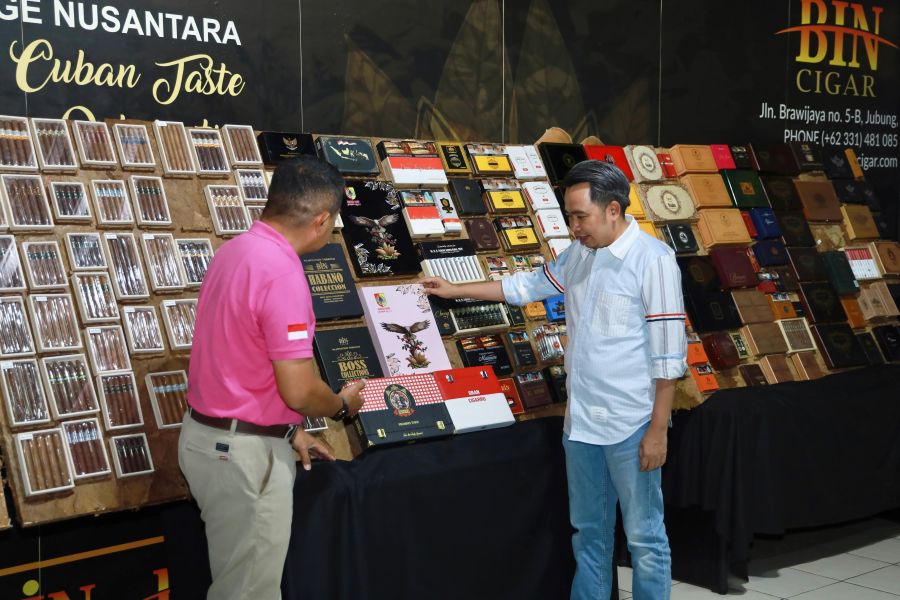
Regent Gus Fawait set out the numbers on Saturday, 19 September 2026, during a visit to PT Bin Cigar, one of the local producers. "Jember is now establishing itself as Indonesia's largest supplier to the cigar export market. Our products have already reached almost 45 countries," he said, as quoted by Disway Mojokerto. The visit was part of a regency programme to promote downstream processing of local tobacco.
The regent listed the regions where Jember cigars are sold, a mix of established consumption markets and faster-growing ones:
- the United States
- the Middle East
- Europe
- China
- ASEAN countries
Duty-free as a second channel
Alongside regular export contracts, Jember cigars are marketed through duty-free outlets in around 10 countries, Disway Mojokerto reported. For a producing region, that channel works differently from bulk contract supply: it places the product in front of travelling buyers who select on brand and presentation, and it operates outside the domestic retail and excise regimes that govern tobacco sales in most destination markets.
The report did not name the countries where the duty-free listings are in place, nor did it give volumes or values for either channel. It also did not break down how the almost 45 export destinations are distributed between the six manufacturers, or what share of shipments goes to each region named by the regent.
Downstreaming and the farm base
The regency government frames the cigar business as a case for hilirisasi, the Indonesian policy term for downstream processing. The stated objective is to stop local tobacco from leaving the district as raw material and instead convert it into finished goods with higher economic value. On that reading, the export figures are evidence that processing capacity in the district has room to expand, with the cigar plants serving as anchor buyers for local leaf.
The administration also flagged the position of tobacco farmers inside the supply chain. Price swings driven by global market dynamics are one of the main challenges growers face, according to the report. The regency has extended social protection measures to them, including health coverage and employment social security through BPJS Ketenagakerjaan, and plans to provide farm support equipment. These measures address household risk rather than the price volatility itself; no purchase guarantee or price mechanism was described.
Beyond tobacco
Gus Fawait said the regency's economy does not rest on tobacco and cigars alone. Coffee, edamame and cocoa were named as other commodities with existing markets and export potential, alongside handicraft products from micro, small and medium enterprises. That list points to a broader agricultural export base in East Java, though the report gave no output or shipment figures for those commodities.