Jeju Tangerine Output Forecast to Rise 3.9% Despite Smaller Orchard Area
Jeju’s 2026 open-field tangerine crop is forecast at 426,900 tonnes, up 3.9% or 15,900 tonnes from the previous year. Higher productivity is expected to outweigh a 0.2% contraction in orchard area, putting efforts to support prices under pressure.
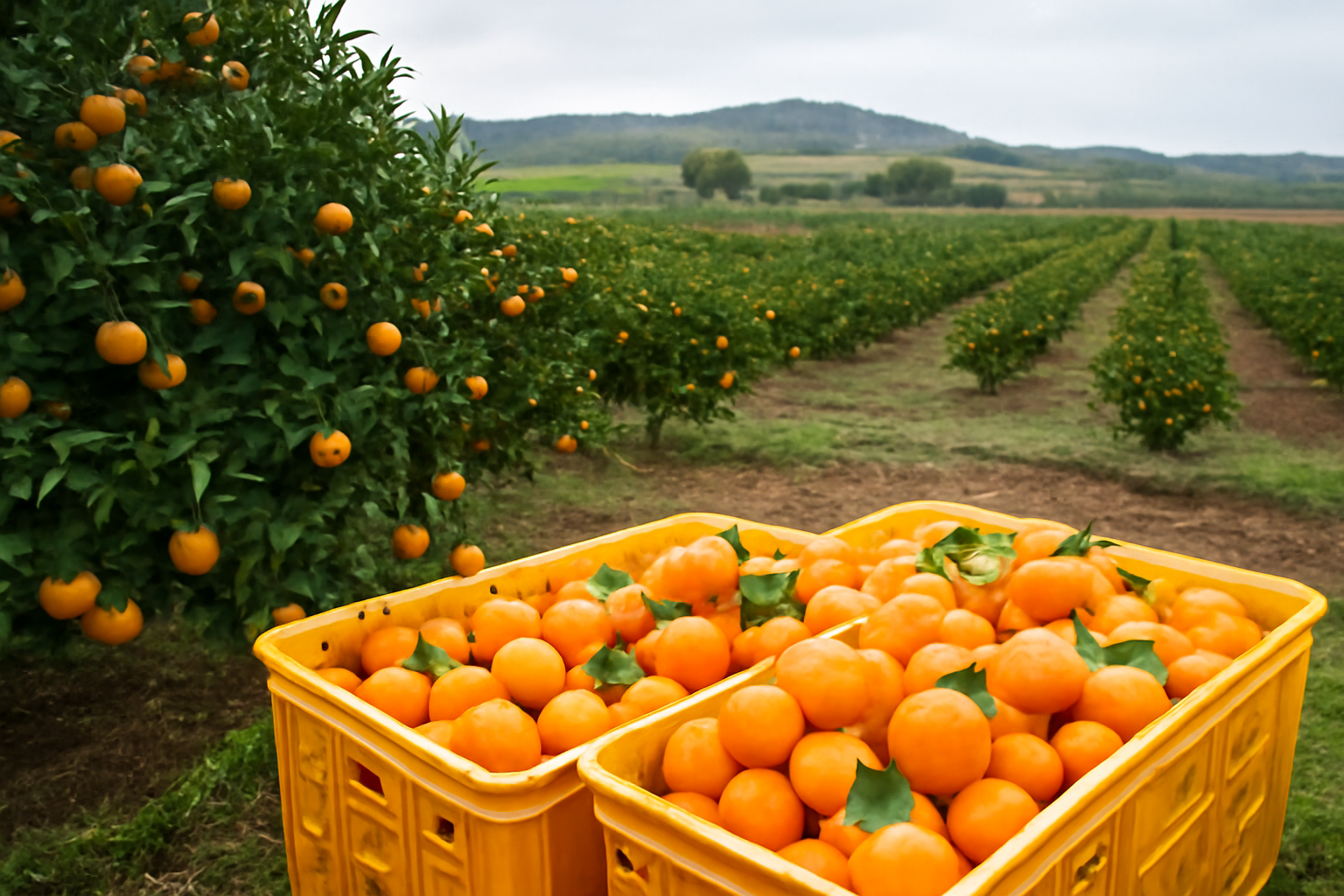
Output forecast rises to 426,900 tonnes
Jeju’s production of open-field tangerines is forecast to increase in 2026 even as the island’s cultivated orchard area continues to contract, creating a fresh test for efforts to defend prices during the marketing season.
The Korea Rural Economic Institute’s Agricultural Outlook Center expects the 2026 crop to reach 426,900 tonnes, according to Financial News. That would represent an increase of 15,900 tonnes, or 3.9%, from the previous year. The figures imply that the preceding crop totaled approximately 411,000 tonnes.
The expansion is not being driven by additional planted land. Financial News reported that the area devoted to open-field tangerines has declined by 0.2%. Instead, growth in output per unit of land is expected to more than offset the reduction in orchard area, lifting the island’s total supply.
Productivity outweighs land contraction
The forecast highlights the importance of yield and orchard productivity in determining Jeju’s available tangerine supply. Based on the reported changes in production and area, average output per unit of cultivated land would need to rise by roughly 4% year on year. This is an implied calculation from the published percentages rather than a separate forecast issued by the institute.
For producers, the result presents a mixed picture. Greater productivity can improve the volume harvested from existing orchards and spread some production costs across more fruit. At the same time, a larger aggregate crop can weaken growers’ bargaining position if demand and distribution capacity do not expand at a comparable pace.
The fact that supply is rising despite fewer hectares also matters for longer-term production planning. A gradual decline in orchard area will not necessarily reduce market volumes when yields are improving more quickly. Producers, processors and distributors therefore cannot rely on acreage contraction alone to tighten supply or strengthen prices.
Larger crop puts price management in focus
Financial News described the projected 426,900-tonne harvest as a test of price-defence efforts. The central market issue will be whether the supply chain can place the additional 15,900 tonnes without creating excessive pressure on grower returns. The source material does not provide a price forecast, export projection or estimate of processing demand.
Market outcomes will depend on how the crop is graded, marketed and absorbed across available sales channels. Fresh-fruit buyers could benefit from greater availability, while producers may face stronger competition during periods when harvesting and shipments are concentrated. Processors may also have access to more raw material if a larger share of the crop is directed away from the fresh market, although no allocation figures were reported.
The forecast makes crop quality and the timing of supply important variables alongside total tonnage. A high-volume harvest that reaches the market within a narrow period would pose a different pricing challenge from one distributed more evenly. Likewise, the commercial effect of higher output will depend on the proportion that meets fresh-market specifications.
Attention shifts from acreage to market absorption
For industry participants, the new estimate establishes 426,900 tonnes as the principal supply benchmark for Jeju’s 2026 open-field tangerine season. Monitoring will now focus on whether the production outlook changes as the crop develops and how sellers manage the larger expected volume.
The forecast also shows why orchard area and production should be assessed separately. Jeju’s cultivated area is shrinking, but the anticipated productivity increase is large enough to reverse the effect on total output. Unless demand absorbs the added fruit, the 3.9% supply increase could complicate attempts to maintain prices, leaving crop quality, sales timing and channel capacity central to the season’s performance.