Jeju opens 2026 price-stabilization scheme to open-field mandarin growers
South Korea’s Jeju Province is accepting farmer applications for a price-stabilization scheme covering open-field satsuma mandarins from the 2026 crop. The program is intended to protect farm income when market prices decline.
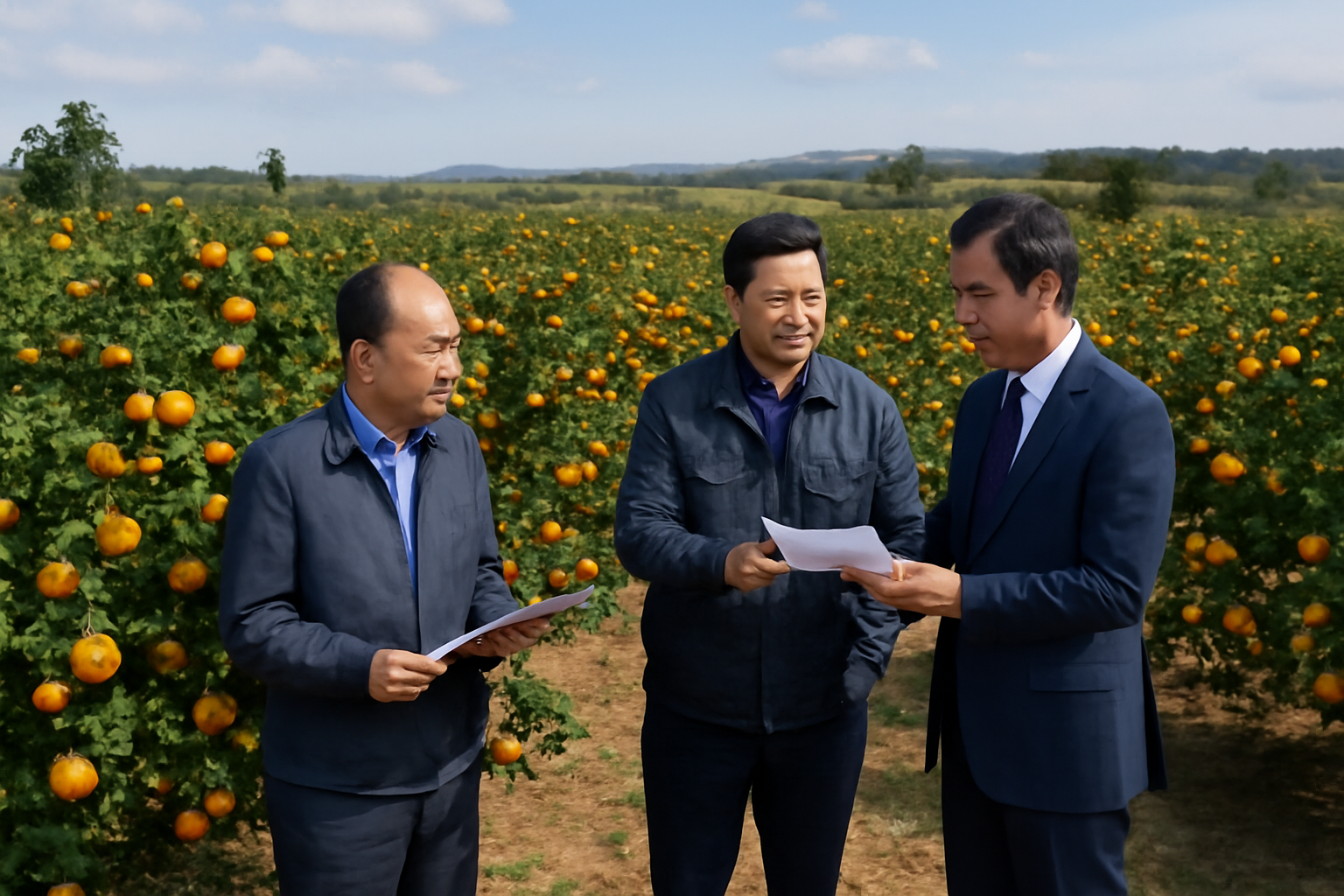
Applications open for the 2026 crop
South Korea’s Jeju Province has finalized a price-stabilization program for open-field satsuma mandarins harvested in 2026 and has begun accepting applications from participating farmers. The provincial government announced the move on the 19th, presenting the scheme as a measure to stabilize agricultural income when market prices fall.
The initiative applies specifically to open-field fruit rather than the broader mandarin sector. This distinction matters for growers whose crops are directly exposed to weather conditions and whose revenue depends on the prices available during the main marketing period. The information released with the announcement did not specify the support price, compensation formula, application deadline, eligible volume or program budget.
Price declines put farm income at risk
Jeju’s decision links public support directly to falling market prices. For producers, a price-management mechanism can reduce the income shock caused by a weak market, although its practical value will depend on eligibility rules and the level at which support is activated. Those details will also determine how much fruit is effectively covered and how broadly the benefits are distributed among participating farms.
The application process is therefore an important first stage. Growers will need to assess participation once the full conditions are available, including any production, quality, shipment or reporting requirements. Without the detailed operating rules, it is not yet possible to calculate the potential payment per farm or the program’s overall effect on 2026 grower revenue.
Market impact depends on program design
For packers, wholesalers and traders, the scheme could improve production continuity if it helps farms withstand periods of low prices. It does not, based on the information announced, establish a production target, mandate purchases or change the physical supply of mandarins. Its immediate focus is farm-income protection rather than an explicit intervention in sales volumes or distribution.
The program also signals that Jeju authorities view price weakness as a material risk for the 2026 open-field crop. Market participants will now be watching for the reference price, activation conditions, covered quantities and funding arrangements. These provisions will show whether the scheme offers limited downside protection or provides wider support across Jeju’s open-field mandarin industry.