Japanese-backed wood-pellet project faces forest and human-rights scrutiny in Indonesia
Financial institutions are examining environmental and human-rights risks linked to a wood-pellet operation on Indonesia’s Sulawesi island. NGOs are pressing shareholders and lenders to engage Hanwa and Tokyo Gas, suspend forest-linked sourcing and demand fuller disclosure.
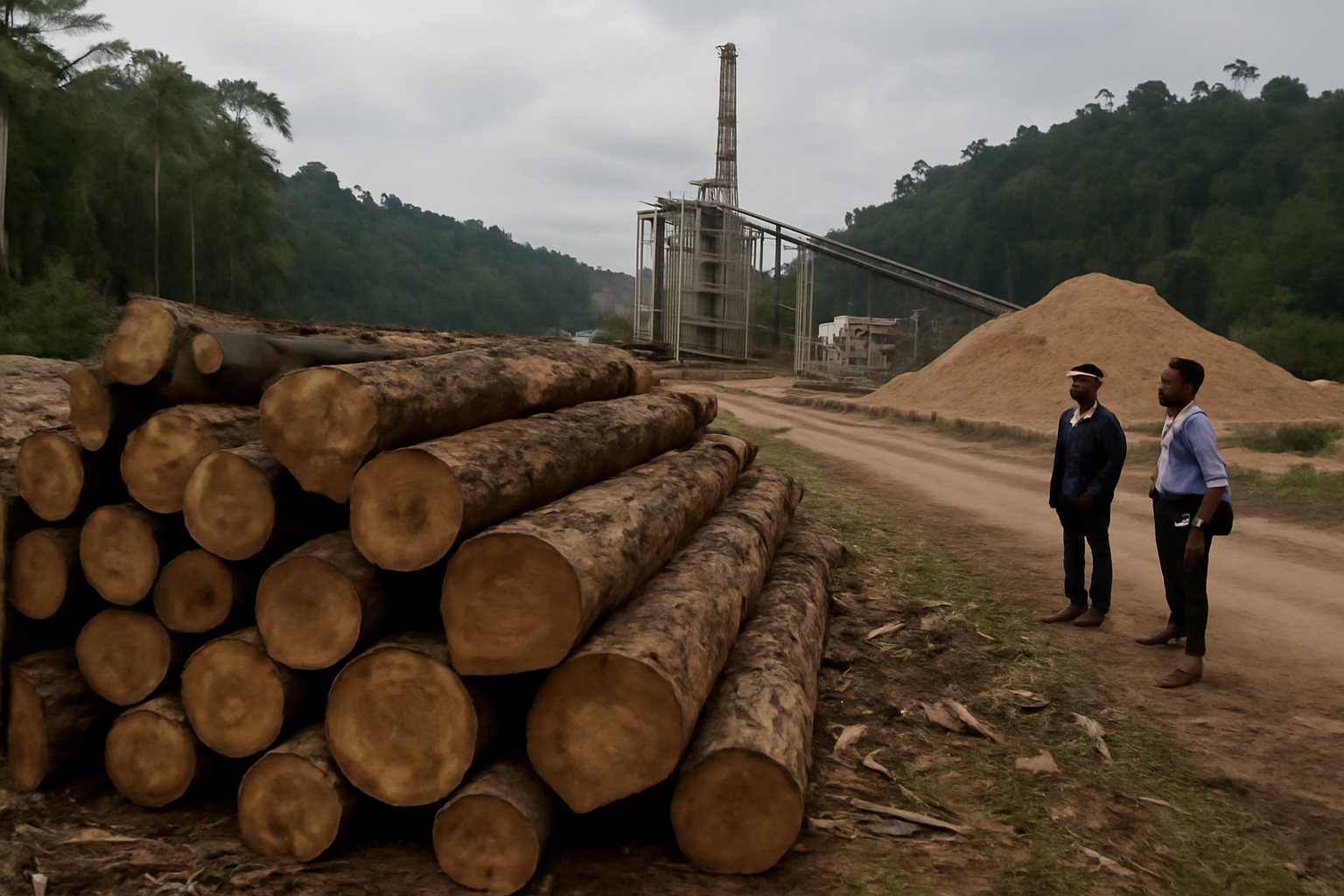
Investors pressed over Sulawesi pellet operation
Six environmental campaigners have asked 71 domestic and overseas financial institutions holding stakes in, or lending to, Hanwa and Tokyo Gas to address alleged tropical-forest destruction and human-rights risks connected with wood-pellet production on Indonesia’s Sulawesi island. The request, sent in April, calls for ESG engagement with the Japanese companies and a review of financing and investment, including possible divestment if adequate improvements are not confirmed.
According to RIEF, 12 of 14 Japanese financial institutions approached responded, a rate of about 86%. Responses from overseas institutions were more limited: eight of 57, or about 14%. Four of the 14 Japanese institutions accepted direct online or in-person discussions. The campaigners include five NGOs and Miyuki Tomari, chair of the Biomass Industrial Society Network.
Disclosure, biodiversity and community consent
During discussions with one domestic asset manager, the campaigners raised the absence of a publicly available environmental impact assessment, possible effects on endangered species and human-rights concerns associated with flooding. The investor sought guidance on potential demands, including publication of the assessment, disclosure under the Taskforce on Nature-related Financial Disclosures, and an immediate or phased halt to logging and procurement. A domestic insurer also focused on flood risks linked to natural-forest clearance and questioned Hanwa’s governance and risk-assessment process, RIEF reported.
One overseas asset manager said certification and proof of legality alone could not prevent risks at project sites and indicated that it intended to engage Tokyo Gas’s board over environmental and human-rights governance and disclosure. An overseas bank said it would not finance projects involving clearance of primary tropical forest or conversion of high-carbon-stock forest. Another bank said biomass financing requires free, prior and informed consent from residents under the Equator Principles.
Supply chain reaches Japan and South Korea
Hanwa owns 20% of PT Biomasa Jaya Abadi, which operates a pellet plant in Gorontalo province on Sulawesi. The pellets are sold as fuel for biomass power plants in Japan and South Korea. Some Indonesian pellets supplied by Hanwa are used at Tokyo Gas’s Fushiki Manyo Wharf biomass power plant in Toyama prefecture.
Vietnam had traditionally been the dominant source of Japan’s imported wood pellets, but RIEF said certification-fraud problems involving Vietnamese pellets have encouraged more trading companies and power stations to switch toward Indonesian supply. The controversy therefore poses procurement and reputational risks beyond a single production site. The NGOs are demanding an immediate halt to tropical-forest logging for pellet production, publication of the project’s environmental assessment, disclosure of endangered and endemic species safeguards, records of community consultations and consent, and measures to resolve disputes with residents. They also want Tokyo Gas to suspend procurement and reconsider the supplier if corrective action is inadequate.
Campaigners said a petition opposing the environmental damage and human-rights abuses allegedly associated with pellet exports from Indonesia to Japan had collected 14,094 signatures as of Aug. 24. The issue was also raised at Tokyo Gas’s June 26 annual shareholders’ meeting. According to media reports cited by RIEF, a company executive described the allegations as regrettable and serious and said Tokyo Gas would urge the local fuel supplier to resolve the problems.