Japanese-Linked Companies Expand Vietnam’s Cold-Chain Food Logistics
Japanese-linked companies are investing in Vietnam’s temperature-controlled food distribution as demand grows for reliable delivery of fresh and processed ingredients. Kamereo, Zensho Holdings, Nippon Express Holdings and Sumitomo are building capacity or partnerships in a market that loses an estimated 8.8 million tonnes of food and agricultural products annually.
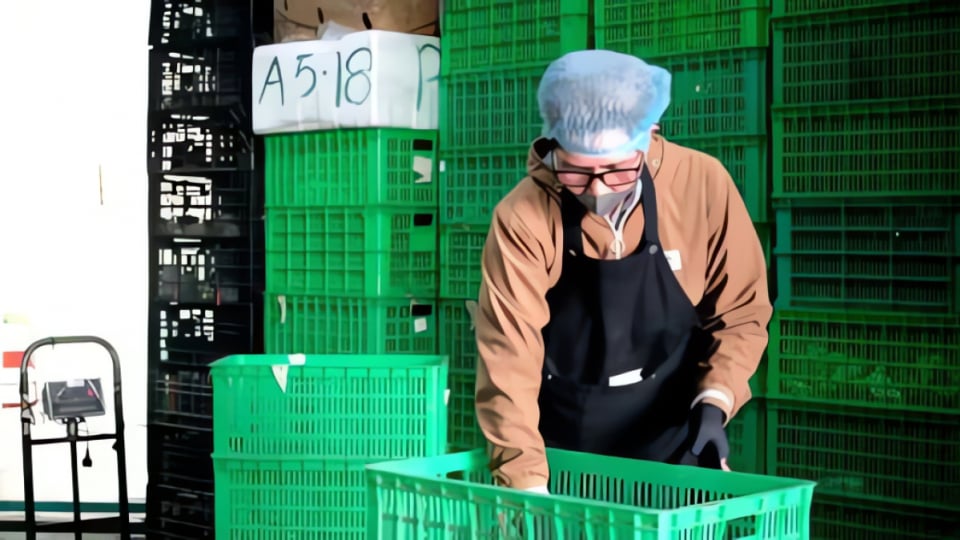
Kamereo connects farms with food-service buyers
Japanese-linked companies are expanding their presence in Vietnam’s cold-chain logistics market, targeting gaps in the storage, processing and distribution of fresh food. VietnamFinance reports that Kamereo, the Vietnamese operating business of Singapore-based Kamereo International, now supplies fresh ingredients to more than 6,000 retailers and restaurants.
The company operates distribution centres in Hanoi and Ho Chi Minh City. Each centre is divided into four storage zones maintained at different temperatures, allowing Kamereo to handle products with varying preservation requirements. The business also runs facilities for the preliminary processing and preparation of vegetables.
Kamereo has established a collection centre in a major agricultural production area, where contracted farmers deliver their crops. The company says a growing number of suppliers are signing direct contracts, helping it keep procurement prices low. Beyond fresh agricultural produce, Kamereo purchases products including seasonings and beverages from about 300 suppliers.
Japanese groups add processing capacity and capital
Taku Tanaka, Kamereo’s founder and chief executive, said Vietnam still lacks companies able to provide reliable cold-chain logistics. Kamereo is seeking to use that service gap as a competitive advantage. The opportunity is also attracting other Japanese businesses, including Zensho Holdings, one of Japan’s leading food-service companies.
Zensho is seeing rising demand for pre-cut vegetables from affiliated restaurants and plans to build a new facility in Ho Chi Minh City to expand production capacity. The company expects its revenue in 2026 to rise 60% from the previous year and projects a similar growth rate in 2027, according to VietnamFinance.
Japanese corporations are also developing partnerships with regional distributors. In 2025, Japanese logistics group Nippon Express Holdings acquired a stake in Secai Marche. The companies plan to work together on the distribution of Japanese agricultural products. Kamereo, meanwhile, received investment in 2024 from Japanese trading group Sumitomo and other investors.
Food losses underline the investment case
Vietnam loses an estimated 8.8 million tonnes of agricultural products and food each year, causing economic damage of about $3.9 billion. The figures point to substantial scope for improving food distribution through temperature-controlled storage and transport. Better cold-chain coverage could help farms and processors preserve product quality while giving restaurants and retailers more consistent access to fresh ingredients.
Expansion will nevertheless depend on operating discipline and financial controls. Shuhei Hashimoto, an expert at German consultancy Roland Berger, said success will require higher delivery density together with effective management of inventory and the creditworthiness of business customers. For cold-chain operators, fuller delivery routes can spread the cost of refrigerated infrastructure across more orders, while inventory and customer-credit risks remain particularly important when handling perishable goods.