Japan Weighs Full Market Opening to US Fresh Potatoes Amid Tariff Pressure
Japan's government is examining whether to fully open its market to fresh US potatoes, currently allowed only for processing use since 2006. Washington has pushed for full access since 2020 and intensified the demand during 2025 tariff negotiations, while Japanese producers cite pest risks including two hard-to-detect nematode species.
Washington renews push for full market access
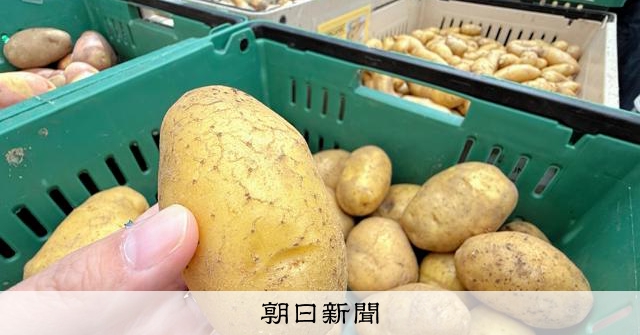
Japan's government is examining whether to fully open its market to fresh American potatoes, according to an editorial published by Asahi Shimbun. The review comes after years of pressure from Washington, which has sought broader access for US growers beyond the limited opening Japan granted in 2006, when imports of fresh potatoes were allowed only for processing into potato chips.
The Trump administration first requested in 2020 that Japan lift restrictions on fresh potatoes destined for general retail and food-service channels — supermarkets and restaurants — rather than just processing plants. Washington's aim, according to Asahi, is to expand US agricultural exports and narrow its trade deficit with Japan. The request gained renewed urgency during the 2025 US-Japan tariff negotiations, when Washington intensified its demand for market opening.
Pest concerns center on hard-to-detect nematodes
Japanese producers and Asahi's editorial board argue that any decision must rest on strict, science-based risk assessment rather than trade bargaining. Officials have identified 21 pest and disease species associated with the import risk, of which two nematode species are considered particularly dangerous because they are difficult to detect through visual inspection. These nematodes attack potato roots, impeding nutrient uptake and causing poor growth. Because consumers who buy fresh potatoes at retail could replant them as seed potatoes, officials warn that any undetected pest could spread from household use into the wider growing environment.
Hokkaido, which accounts for roughly 80% of Japan's domestic potato production, has a history of dealing with pest outbreaks and is seen as especially exposed. At an explanation session held by the Ministry of Agriculture, Forestry and Fisheries on the procedures required for opening the market, farmers and industry representatives repeatedly raised objections, arguing that fully preventing pest entry is difficult to guarantee.
WTO obligations meet food-security concerns
As a member of the World Trade Organization, Japan is obligated to enter consultations when a trading partner formally requests market access, and Tokyo is expected to discuss specific quarantine measures with US counterparts going forward. Asahi's editorial calls on the Ministry of Agriculture, Forestry and Fisheries to judge cautiously, from a scientific standpoint, whether any measures proposed by the US side can reliably eliminate the risk of pest introduction, and warns against letting the market-opening pressure facing the administration of Prime Minister Sanae Takaichi distort that scientific review.
Potatoes are classified by the Japanese government as a "designated vegetable" considered essential to daily life, and the country's potato self-sufficiency rate stands at around 70%, making the crop a potential substitute staple food. Asahi frames the decision as a food-security issue as well as a trade one, arguing that protecting domestic production areas aligns with the food-security priorities the Takaichi government has emphasized. No timeline for a final decision has been set, and any change would require agreement with Washington on the specific phytosanitary measures to be applied.