Greenpeace Japan report links warming to smaller sweet potatoes, early pears and stressed rice
Greenpeace Japan published a report on September 17 arguing that global warming is damaging three of the country's autumn staples: sweet potatoes, Japanese pears and rice. The group combined meteorological data from major producing regions with accounts gathered from growers nationwide, Tokyo Shimbun reported.
Greenpeace Japan published a report on September 17 that ties climate data to visible changes in three of the country's autumn staples — sweet potatoes, Japanese pears and rice, Tokyo Shimbun reported.
The group analysed meteorological data from the main producing regions and combined it with accounts gathered from growers across Japan, according to Tokyo Shimbun. Greenpeace Japan said the purpose was to show consumers the reality of the damage warming is doing to Japanese agriculture, using evidence from the growing areas rather than long-range projections.
Smaller tubers, pears that ripen in summer
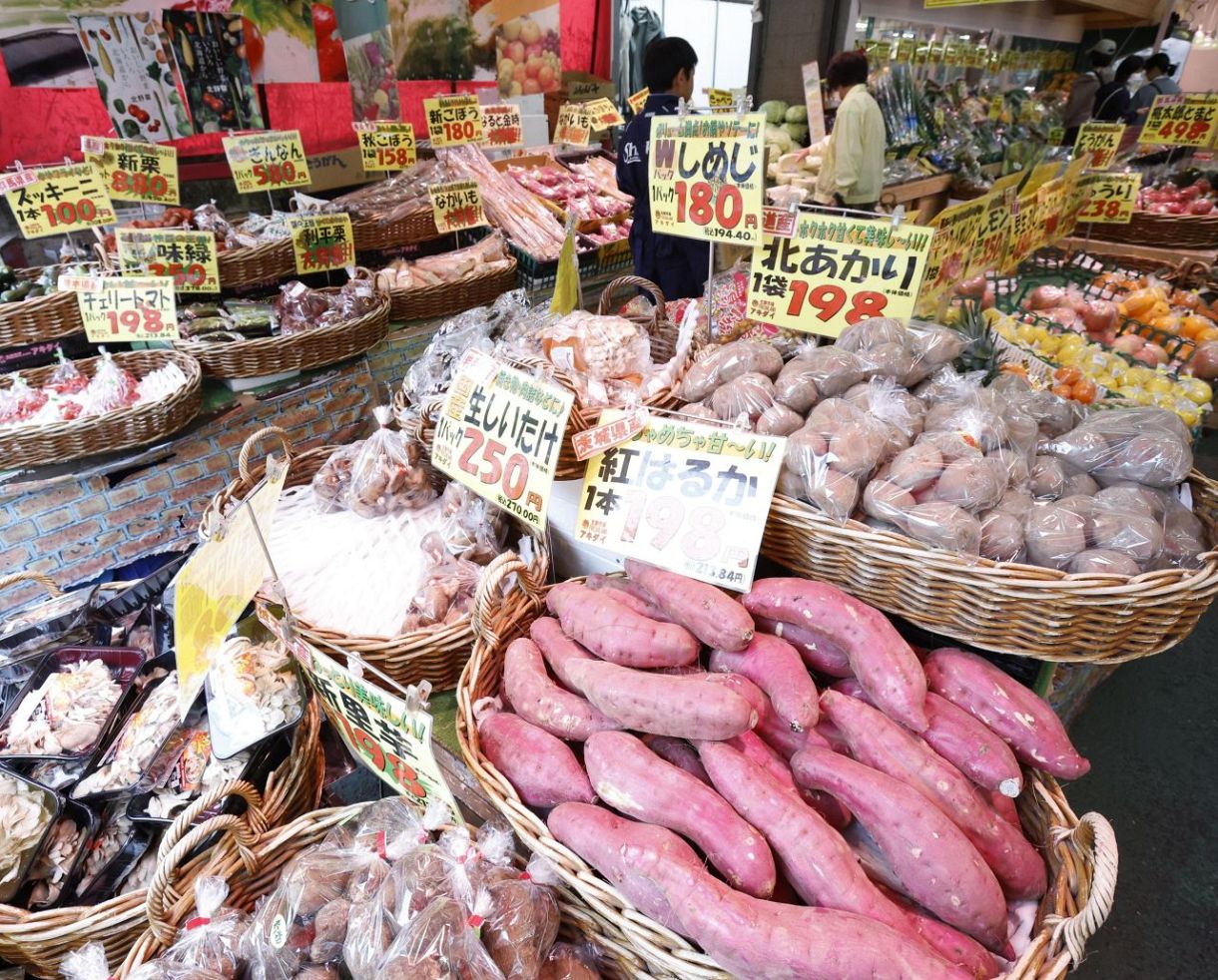
The changes highlighted in the report are the kind a shopper can see. Sweet potatoes are coming out of the ground smaller. Japanese pears are maturing early enough to behave like a summer fruit rather than an autumn one. Rice, the third crop named, is described as seriously affected.
- Sweet potato: reduced tuber size at harvest.
- Japanese pear: an earlier ripening window that pulls the crop out of its traditional autumn slot.
- Rice: serious impacts from higher temperatures in producing regions.
Why size and timing matter to the trade
In horticulture, size is not a cosmetic detail. Grade specifications are built around calibre, and calibre sets the price. When average tuber size falls, a larger share of the crop drops into lower-value grades, the proportion that meets premium retail and export specifications shrinks, and the cost per marketable tonne rises even if field yield holds. Processors buying on weight are partly insulated; fresh-market packers and exporters are not.
Timing works the same way for fruit. A pear crop that ripens in July and August competes with peaches, melons and grapes instead of owning the autumn shelf on its own. Early fruit also tends to store less well, which shortens the selling window and concentrates volume, and a compressed harvest puts pressure on packhouse labour and cold-chain capacity at the point when both are already committed to summer lines.
Rice carries the widest exposure
Of the three crops, rice has the largest economic footprint in Japan by planted area and by value. High temperatures act on rice mainly through quality: heat during the grain-filling stage produces chalky, immature kernels that fail top grading standards, and quality downgrades reach the value chain before any loss of volume does. First-grade ratios determine what millers and wholesalers pay, so a hot summer can move prices without moving the harvest figure much.
That mechanism also complicates substitution. Lower-grade rice does not simply slide down the price curve; it moves into different end uses, changing the mix available to table-rice buyers, processors and the feed channel.
What the report leaves open
The account carried by Tokyo Shimbun does not include yield percentages, tonnages or price effects for the three crops. The method Greenpeace Japan describes — pairing weather records from major producing areas with first-hand producer testimony — is aimed at consumer communication rather than at supplying the quantified series traders and processors use to price risk.
For buyers, the open question is whether the changes described represent a single difficult season or a durable shift in what Japanese growing regions can reliably deliver. Greenpeace Japan frames them as evidence of damage already under way, according to Tokyo Shimbun.