Japan tightens seed law after overseas leakage of premium fruit varieties
Japan has approved a revised Seed and Seedling Act that allows earlier intervention against unauthorized exports of newly developed cultivars. The legislation follows estimated annual losses of nearly ¥20 billion from the overseas spread of Shine Muscat grapes.
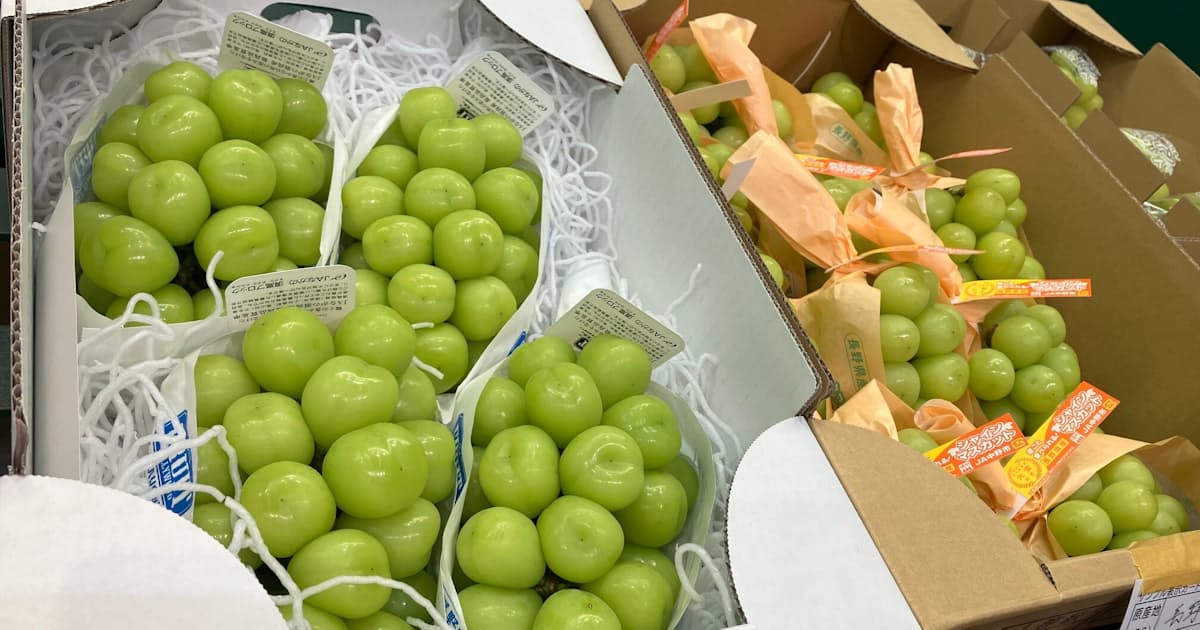
Japan expands protection for registered cultivars
Japan’s parliament has approved a revision of the Seed and Seedling Act intended to prevent seeds and young plants of domestically developed agricultural varieties from being taken overseas without authorization. The bill passed the House of Councillors on the 17th and is expected to take effect on December 1, according to Nikkei.
The legislation strengthens protection for breeders at an earlier stage of the registration process. Under the existing system, registration of a new variety grants the breeder an intellectual property right known as a breeder’s right. The holder can exclusively produce and sell the variety’s seeds and seedlings and control their import and export. However, effective enforcement has generally required the right to be formally granted.
Export injunctions available during examination
The revised law will allow breeders to seek an injunction against seed and seedling exports as soon as a variety application is made public. This closes a gap of approximately three to six years between publication of an application and final registration. During that examination period, new cultivars could previously leave Japan before the breeder had obtained the full legal authority needed to stop their export.
The amendment also changes the calculation of compensation in infringement cases. Courts will be able to set damages above the royalty-equivalent amount that the infringer would have paid under a licensing agreement. The provision raises the potential cost of unauthorized propagation and gives breeders a stronger basis for recovering losses associated with leaked varieties.
Shine Muscat losses approach ¥20 billion a year
The economic stakes are substantial for Japan’s premium fruit sector. Nikkei reported that the annual loss attributed to the overseas leakage of Shine Muscat grapes has been estimated at just under ¥20 billion. The variety’s spread outside Japan illustrates how unauthorized plant material can create competing production in other markets while weakening the exclusivity of Japanese growers and regional brands.
A 2025 survey by Japan’s Ministry of Agriculture, Forestry and Fisheries found that about 50 Japanese-developed varieties, including strawberries, citrus fruit and grapes, may have leaked to China and South Korea. More recently, seedlings of Beni Princess, a premium citrus variety developed by Ehime Prefecture, were suspected of having been taken overseas. These cases have increased pressure to protect cultivars before registration is complete.
Parallel law supports climate-resilient breeding
On the same day, parliament also approved legislation promoting the development of varieties adapted to climate change, including cultivars with greater heat tolerance. Plans submitted by companies, universities and prefectural authorities can be certified by the agriculture minister, allowing approved participants to use research facilities operated by Japan’s National Agriculture and Food Research Organization.
Together, the two laws address both sides of agricultural innovation: protecting the commercial value of existing breeding work and expanding the capacity to develop new varieties. For nurseries, fruit producers and licensed propagators, earlier enforcement should reduce the period in which commercially valuable plant material remains exposed. For overseas growers and traders, the change increases the legal risks surrounding unlicensed Japanese cultivars and places greater importance on documented, authorized supply chains.