Japan’s tea export value reaches ¥72 billion as interest spreads beyond matcha
Japan’s tea export value reached ¥72 billion in 2025, equivalent to 198.2% of the previous year’s level. Producers and tea merchants are seeking to extend global interest in matcha to hojicha, sencha, Japanese black tea and regional bancha.
Export value nearly doubles
Japan’s tea export value reached ¥72 billion in 2025, rising to 198.2% of the previous year’s level as international demand for matcha increased, according to a press release from Japan Tea Life LLC published by PR Times. The figure indicates that the value of overseas sales almost doubled in one year, placing Japanese tea among the food and beverage categories benefiting from growing global interest in distinctive Japanese products.
The release does not provide export volumes, destination markets, average prices or a breakdown by tea category. It therefore remains unclear how much of the increase came from larger shipments and how much reflected higher prices or a shift toward higher-value products. It also does not quantify matcha’s share of the ¥72 billion total. For producers, processors and importers, those distinctions will determine whether the expansion can be sustained and whether demand can support investment beyond matcha-focused supply chains.
Industry looks beyond matcha
Matcha remains the main entry point for international consumers, but Japanese companies are increasingly presenting the country’s wider tea range overseas. The products highlighted by Japan Tea Life include sencha, whose flavor and aroma vary by production region, cultivar, processing method and preparation; roasted hojicha; domestically produced Japanese black tea, known as wakocha; and regional bancha styles.
This diversification could give growers and merchants additional routes to market. Hojicha offers a roasted flavor profile distinct from matcha, while sencha, wakocha and bancha allow sellers to build assortments around origin, processing and brewing methods. However, the source provides no overseas sales figures for these categories, so the extent to which matcha demand has already translated into broader Japanese tea purchases cannot yet be measured from the available data.
Producers build domestic visibility
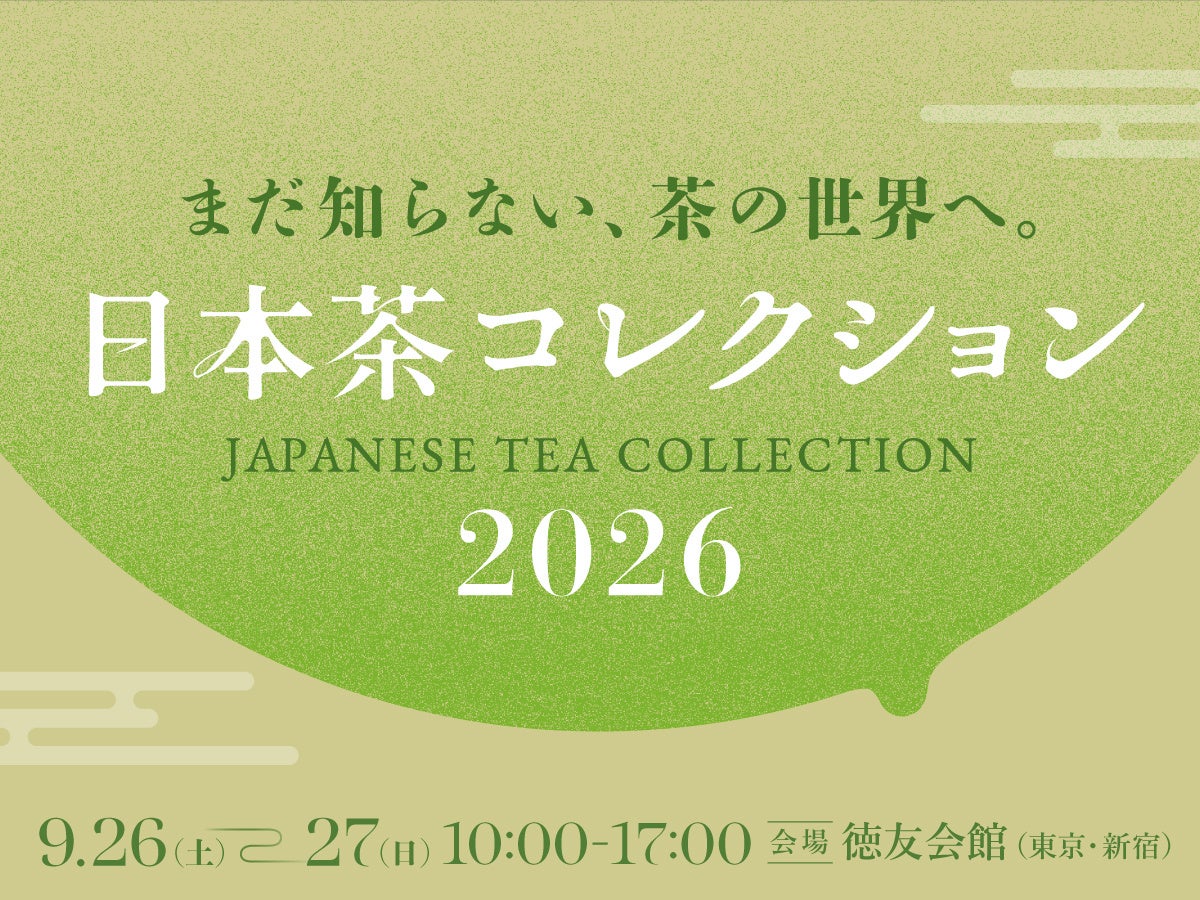
Japan Tea Life is also using domestic events to connect consumers directly with producers and merchants. Its Japanese Tea Collection 2026 is scheduled for September 26 and 27 at Tokuyu Kaikan in Tokyo’s Shinjuku-Yotsuya area. The fourth edition will bring together 22 producers and tea merchants from regions including Kagoshima, Nagasaki, Ehime, Kyoto, Shiga, Shizuoka, Niigata and Saitama, alongside businesses from Fukuoka and Tokyo.
The program will offer comparative tastings of sencha, hojicha, wakocha, matcha and bancha, as well as tea-ceremony experiences and seminars on history, culture and current trends. The commercial significance lies in giving smaller regional suppliers a venue to explain differences in origin and production directly to consumers. For the export market, the central challenge is to turn matcha-led awareness into repeat demand for a broader portfolio. The 2025 export result establishes the scale of the opportunity, but category-level volumes, prices and destination data will be needed to assess which teas and producing regions are capturing it.