Japan’s rice market faces ‘early rice shock’ as 2026 crop prices fall
Procurement prices for Japan’s early-harvest 2026 rice have fallen 20% to 40% year on year in Kyushu and Shikoku. Record-high private inventories, weaker consumption and an expected production surplus are increasing pressure on prices before the main harvest.
Early crop establishes a lower price benchmark
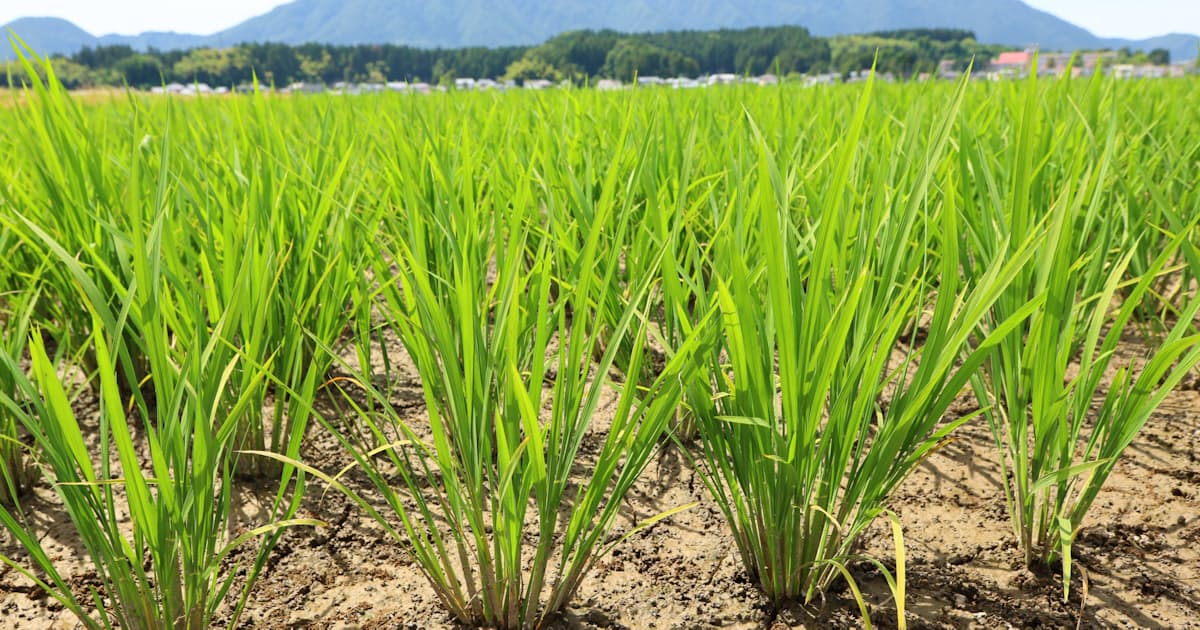
Japan’s rice market is entering the 2026 harvest season under mounting downward pressure. Procurement prices have now been set for early-harvest rice, which reaches the market before the crop from the country’s main producing regions. In Kyushu and Shikoku, these prices are 20% to 40% lower than a year earlier, according to Nikkei.
Early-harvest prices are closely watched because they provide an initial indication of the terms that agricultural cooperatives and other buyers may offer in the principal production areas. Their sharp decline has made a substantial correction across the 2026 crop increasingly likely. Nikkei reports that the percentage fall could become even greater when prices are established in the main producing regions of eastern Japan.
The reversal follows a period of rapidly rising rice prices. Rice from the 2025 crop currently sold by retailers has dropped sharply in price after the previous surge. The arrival of the 2026 crop therefore adds supply to a market that has already moved away from last year’s tight and expensive conditions.
Inventories and production create a double surplus
High prices weakened household demand and encouraged consumers to reduce their rice purchases. That decline in consumption has contributed to private inventories reaching their highest level on record, Nikkei reports. At the same time, the rice harvested this autumn is expected to exceed market requirements.
These two sources of excess supply — accumulated private stocks and an anticipated production surplus — are weighing directly on procurement prices. Nikkei says purchasing prices for the new crop could fall to nearly half their year-earlier level. Retail prices may consequently drop below ¥3,000 for a 5-kilogram package, although this remains a possibility rather than an established market price.
The correction has implications across the domestic supply chain. Farmers and agricultural cooperatives face lower revenue expectations, while wholesalers and processors must manage inventories acquired at different price levels. Retailers may be able to offer consumers cheaper rice, but a rapid fall also creates valuation and margin risks for companies still holding more expensive stock.
Market expectations reach a historic low
Sentiment indicators confirm the change in direction. The July survey by the Organization for the Support of Stable Supply of Rice recorded the lowest reading in the roughly 12-year history of its rice price outlook diffusion index. The index reflects market participants’ assessment of the future direction of prices.
The industry has described the steep decline in western Japan’s procurement prices as an “early rice shock.” It is now influencing expectations well beyond Kyushu and Shikoku. The main test will come as the larger eastern Japan crop is harvested and buyers set procurement terms. For producers, traders, processors and retailers, the size and speed of that adjustment will determine how quickly the market clears its record private inventories and absorbs the expected 2026 surplus.