Japan registers Japanese tea as a geographical indication amid rising global matcha demand
Japan’s agriculture ministry registered Japanese tea as a geographical indication on July 10. The designation is intended to protect its quality and brand value and distinguish it from tea produced in China and other competing origins.
National designation targets overseas differentiation
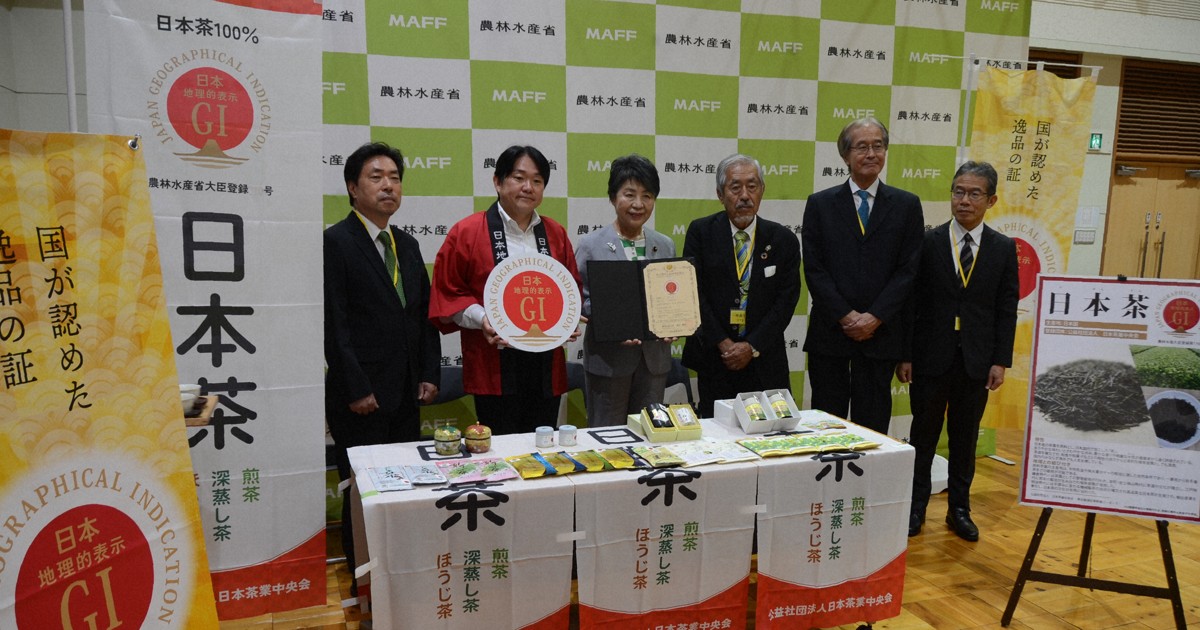
Japan’s Ministry of Agriculture, Forestry and Fisheries registered Japanese tea as a geographical indication, or GI, on July 10, according to Mainichi. The measure establishes nationwide geographical recognition for Japanese tea at a time when the country is seeking to protect the product’s quality and brand value in increasingly competitive international markets.
The registration covers Japanese tea as a national product rather than highlighting a single local producing area. Its commercial significance is closely tied to matcha, which has become a central driver of interest in Japanese tea overseas. Mainichi reported that both Japanese tea exports and worldwide consumption are expanding, particularly for matcha.
No production, export or sales figures were provided in the available source material. The registration nevertheless gives producers and sellers a formal point of distinction based on Japanese origin. That distinction matters as buyers encounter a wider range of green tea and matcha-style products carrying different origins, quality positions and price points.
Competition from other origins intensifies
Competition in overseas markets is increasing as tea from China and other countries vies with Japanese products, Mainichi reported. The GI registration is intended to make Japanese tea easier to distinguish from these competing supplies while preserving the value attached to its name.
For producers and processors, the immediate value lies in reinforcing origin as part of the product’s commercial identity. Exporters can use the designation to support clearer positioning in markets where consumers or business buyers may not readily differentiate between Japanese tea and comparable products from elsewhere. Importers, distributors and retailers also gain a more explicit origin marker when building product ranges and communicating with customers.
The measure does not remove competition on price, availability or product specifications. Tea from other origins will continue to compete for the same buyers, particularly as global consumption grows. The practical test will be whether the GI helps Japanese suppliers preserve a distinct market position rather than allowing the Japanese tea name to become a broad description detached from origin.
Brand protection meets expanding demand
The timing reflects the opportunities and risks created by growing matcha consumption. Expanding demand can increase sales for Japanese growers and processors, but it can also attract more competing products and make origin claims more commercially valuable. Nationwide GI protection is therefore designed to connect the Japanese tea name more firmly with production in Japan.
For the supply chain, the designation may become most relevant in branding, procurement and product presentation. Producers have an additional basis for emphasizing origin; traders and importers can separate Japanese supply more clearly from alternatives; and buyers can evaluate products with a more visible geographical distinction. Its market effect will depend on how consistently companies communicate the designation and how strongly customers value Japanese origin.
The registration marks a policy response to a market already moving beyond Japan’s domestic tea sector. As exports and worldwide consumption increase, Japan is using geographical identity to defend the reputation of Japanese tea, with matcha at the center of that effort. The next stage will be determined in overseas markets, where the designation must translate into recognizable value for buyers if it is to strengthen the position of Japanese suppliers.