Japan Antitrust Watchdog Probes Four Major Brewers Over Suspected Price Cartel
Japan’s Fair Trade Commission has launched a compulsory investigation into four major domestic brewers over suspected coordination of beer shipment prices. The companies control more than 90% of a market with annual shipments exceeding ¥1 trillion.
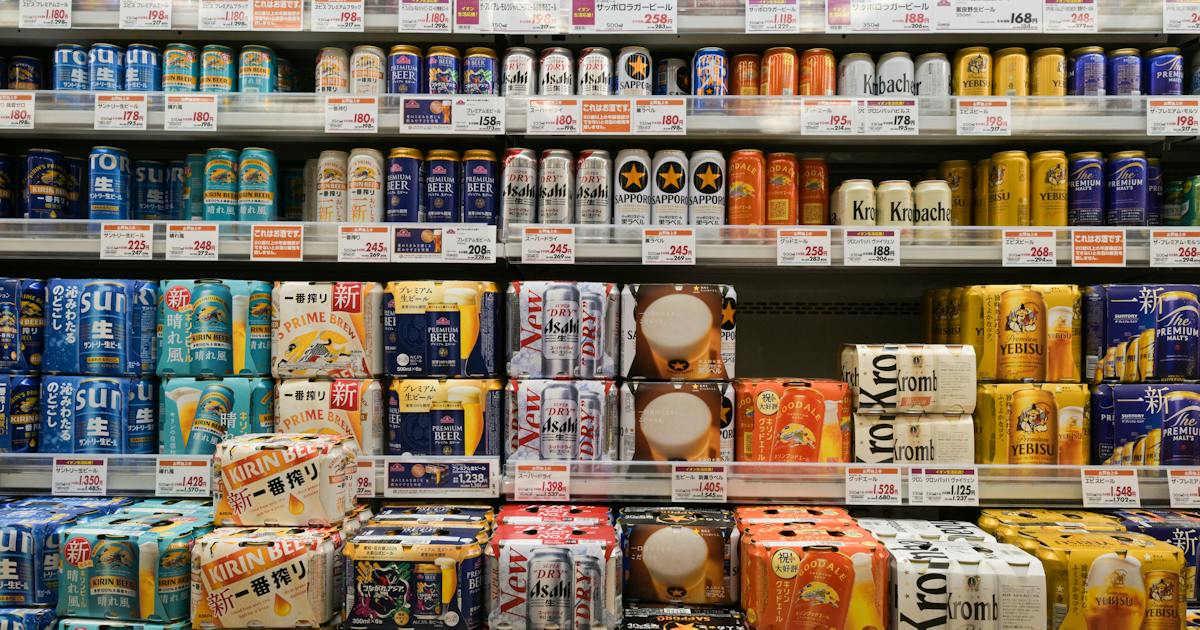
Compulsory investigation targets shipment pricing
Japan’s Fair Trade Commission conducted a compulsory investigation on the 7th into four major domestic beer manufacturers over suspected coordination of shipment prices, Nikkei reported. The investigation concerns a possible violation of the Antimonopoly Act through an unreasonable restraint of trade.
The action places pricing practices in one of Japan’s largest consumer-goods markets under formal antitrust scrutiny. The domestic beer industry is highly concentrated: the four companies under investigation collectively account for more than 90% of the market. The available source material does not identify the companies or disclose the specific period, products or transactions being examined.
Repeated price increases raise the stakes
The suspected coordination emerged after brewers repeatedly increased prices while citing higher raw-material costs and other rising expenses. The investigation will examine whether shipment prices reflected independent commercial decisions or prohibited coordination among competitors. No finding of wrongdoing has been reported, and the compulsory investigation itself does not establish that a cartel existed.
The economic scale of the inquiry is substantial. Japan’s beer market records annual shipment value of more than ¥1 trillion, according to Nikkei. With more than nine-tenths of the market controlled by four suppliers, changes in their shipment prices can affect wholesalers, retailers, hospitality businesses and consumers across the country.
Pricing uncertainty for the supply chain
For distributors and retailers, the investigation creates uncertainty over how future supplier price revisions will be presented and negotiated. Beer producers have faced higher input costs, but antitrust rules require competing manufacturers to determine their commercial terms independently. The central issue is therefore not whether costs increased, but whether the companies coordinated their response through shipment pricing.
Consumers may have been disadvantaged if the suspected price adjustments reduced competition, Nikkei reported. The size and concentration of the market mean that even broadly applied changes in wholesale terms can pass through a long chain of bars, restaurants, supermarkets and other sales channels.
The investigation is also relevant to investors and market analysts assessing the pricing power of Japan’s leading brewers. Repeated increases attributed to cost inflation may now receive closer examination, while customers are likely to demand clearer explanations for future adjustments. The source material provides no timetable for the inquiry and reports no decision on liability, penalties or remedies. Until the Fair Trade Commission establishes the facts, the case remains an investigation into suspected conduct rather than a confirmed cartel.