Japan Plans to Buy Back 210,000 Tons of Rice as Prices Face Downward Pressure
Japan plans to buy 210,000 tons of 2025-crop rice from collectors in September to rebuild state reserves depleted by earlier releases. PRESIDENT Online says the purchase will also remove grain from a market facing record private inventories and the arrival of a strong new harvest.
Government moves to replenish depleted reserves
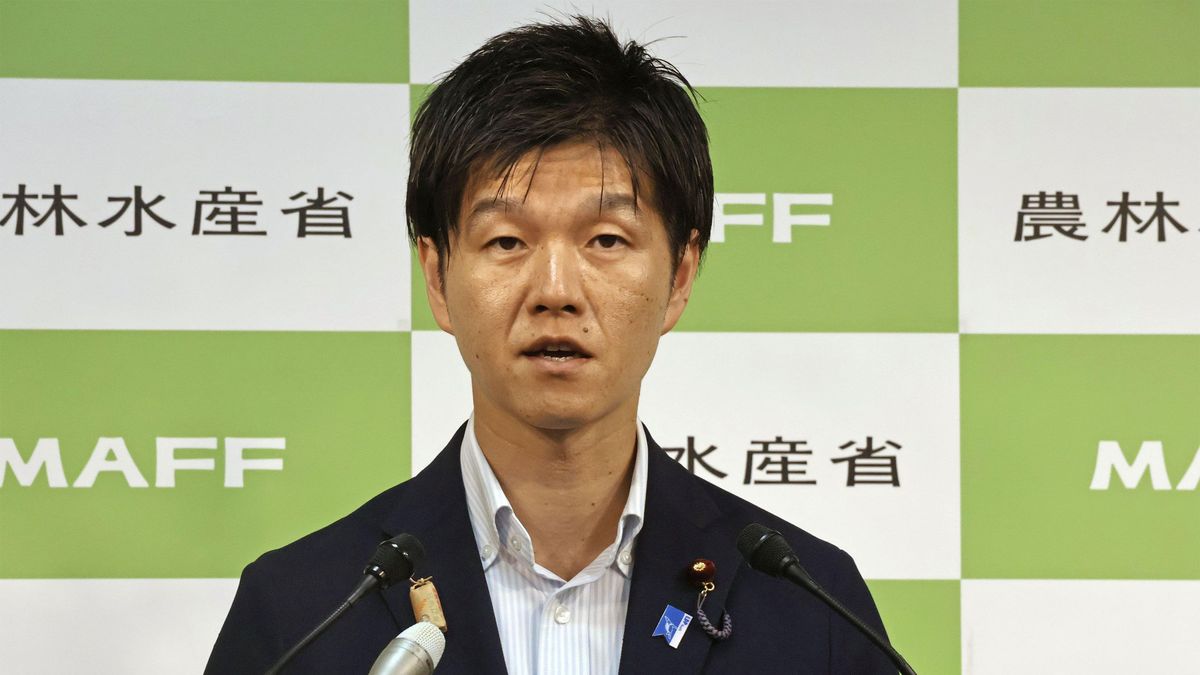
Japan plans to buy back 210,000 tons of rice in September after large emergency releases reduced the country's state-held stocks. Agriculture Minister Norikazu Suzuki announced after a September 1 cabinet meeting that the government intended to purchase rice from the previous harvest held by collection companies and other market participants, according to PRESIDENT Online.
The government released 590,000 tons of reserve rice during fiscal 2025 in response to shortages and rising prices. Japan had held about 1 million tons before that intervention, leaving the reserve substantially depleted. The planned acquisition would replace part of those stocks, although it would amount to only about 36% of the volume released.
Stronger harvest meets record private inventories
Suzuki said the timing reflected an improving supply outlook. This year's crop is expected to exceed the recent average, and the government has confirmed that more than enough rice should be available. An Agriculture Ministry assessment published on August 31 and based on conditions as of August 15 classified the crop as slightly above the normal average in 24 prefectures, including Niigata and Hokkaido. Conditions were described as normal in 19 prefectures, including Akita and Miyagi.
PRESIDENT Online argues that price support is another central reason for the buyback. Private-sector rice inventories have reached a record high, and a larger volume of newly harvested grain is set to enter distribution. Government purchases would remove 210,000 tons of older rice from commercial channels, reducing the amount competing with the new crop and limiting the risk of a sharp fall in selling prices.
Intervention follows two years of steep price increases
The latest action follows a period of shortage and inflation that began in the summer of 2024 and became known in Japan as the Reiwa-era rice crisis. The Agriculture Ministry initially maintained that rice was not in short supply and resisted releasing reserve stocks during 2024. No release took place that year, while prices continued to climb, according to PRESIDENT Online.
Ministry transaction data cited by the publication show that the average negotiated price for 60 kilograms of brown rice from the 2023 crop was ¥15,315. The corresponding average for the 2024 crop rose to ¥25,179, before prices moved above ¥27,000 during 2025. The government ultimately released reserve rice in response to the tighter market.
Policy shifts from containing inflation to limiting a decline
Prices did not immediately settle when the 2025 crop entered the market. They reached a record ¥37,058 per 60 kilograms in October 2025 and then eased gradually. The annual average for the 2025 crop was ¥35,451, more than double the average recorded two harvests earlier.
The planned buyback therefore gives the government two objectives: restoring emergency capacity after the 590,000-ton release and managing the effect of abundant commercial stocks on the new harvest. Producers may benefit if the purchase prevents a disorderly price decline, while collectors and processors will watch how much older inventory remains after the transaction. For buyers, the strong crop outlook and record private stocks still point to greater availability, but the removal of 210,000 tons means the government is acting to moderate the speed and scale of any price adjustment.