Matcha Boom Lifts Japan's Tea Exports as Regional Tea Firms Hit Decade-High Failures
Export value of Japanese powdered tea has risen roughly sevenfold in six years, pulling growers in Fukuoka's Yame region toward tencha, the raw material for matcha. Tencha volumes at the local trading centre rose about 50% in 2026 while leaf tea fell around 10%, and 20 tea-related businesses in Kyushu and Okinawa failed or closed in 2025, the most in a decade.
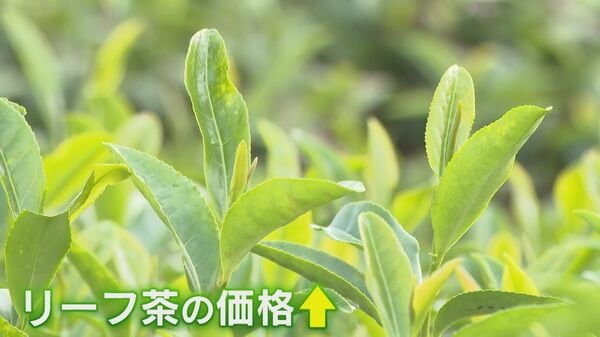
A global surge in demand for matcha is redrawing the economics of Japan's tea trade: powdered tea exports are climbing and raw material prices are rising, while retailers built around conventional leaf tea are failing at the fastest rate in a decade. Japanese broadcaster FNN reported on the split from Yame, a tea-growing city in Fukuoka Prefecture in southern Japan.
At Ocha-mura, a specialist tea shop in Yame, foreign visitors were buying matcha powder and matcha confectionery. A tourist from Thailand told FNN they had visited two shops in a single day, adding that Japanese matcha and the Yame name are widely recognised in Thailand. A visitor from Australia said matcha is very popular there now, and bought matcha powder and leaf-based desserts before stopping at the shop's attached café.
Powdered tea exports up sevenfold in six years
The export value of powdered tea to Europe, North America, Southeast Asia and other markets has increased roughly sevenfold over six years, according to a survey by Japan's Ministry of Agriculture, Forestry and Fisheries cited by FNN. The boom has turned matcha from a specialty item into the category that sets the pace for the whole sector.
The same demand is visible in tourism flows. In Yame, the number of foreign-visitor stays recorded in 2025 rose to 2.36 times the previous year's level, the highest growth rate in Kyushu and the fourth-highest in Japan. Local specialist shops have become a fixture on that itinerary, with powder and matcha sweets the main purchases.
Tencha displaces leaf tea in the auction ring
Yame is best known for gyokuro, the shaded leaf tea that has taken first place in Japan's national tea competition for 25 consecutive years. With matcha demand rising, more local growers are processing their harvest into tencha, the shaded leaf that is ground into matcha, rather than into leaf tea for brewing.
At Yame's tea trading centre, the volume of tencha handled in 2026 was about 50% higher than a year earlier, while leaf tea such as gyokuro declined by roughly 10%, FNN reported. Yusuke Koga, chairman of Koga Seicha Honpo, said prices had climbed sharply since last year's auctions, and that buyers who need the leaf cannot secure it without bidding high.
Twenty tea businesses gone in Kyushu and Okinawa
Bankruptcies, voluntary closures and dissolutions among tea-related businesses in Kyushu and Okinawa totalled 20 in 2025, the highest figure in ten years, according to Tokyo Shoko Research. Companies built on leaf tea are the most exposed, struggling to secure raw material at prices their existing customers will accept.
Demand at home is moving the other way. A survey by the Ministry of Internal Affairs and Communications shows per-household consumption of leaf tea declining year after year, with younger consumers in particular drinking less of it. Koga said it has become difficult to wholesale at the price points supermarkets need for everyday shoppers: some shelves now carry only expensive tea, and some outlets have dropped the tea shelf altogether.
Long-established houses shift product lines
Koga Seicha Honpo, founded more than a century ago and built on gyokuro, began developing matcha products of its own in 2026, including matcha powder and a dedicated shaker. The company is also making tea bags with leaf tea and working through the certifications required to sell them overseas, seeking a share of the export demand that is driving the raw material market.
Koga said the shift is a decision made by farmers responding to price, and that he would like conditions to return to where they were two or three years ago. He added that Yame's traditional hon-gyokuro method, highly rated across Japan, should be preserved.