Japan’s lettuce wholesale prices surge 80% as prolonged rain cuts supply
Japanese lettuce wholesale prices have risen 80% year on year after prolonged rain and insufficient sunlight constrained domestic supply. Retail demand is shifting, while food-service buyers are seeking Chinese imports as the market braces for further shortages.
Wholesale prices rise as poor weather restricts supply
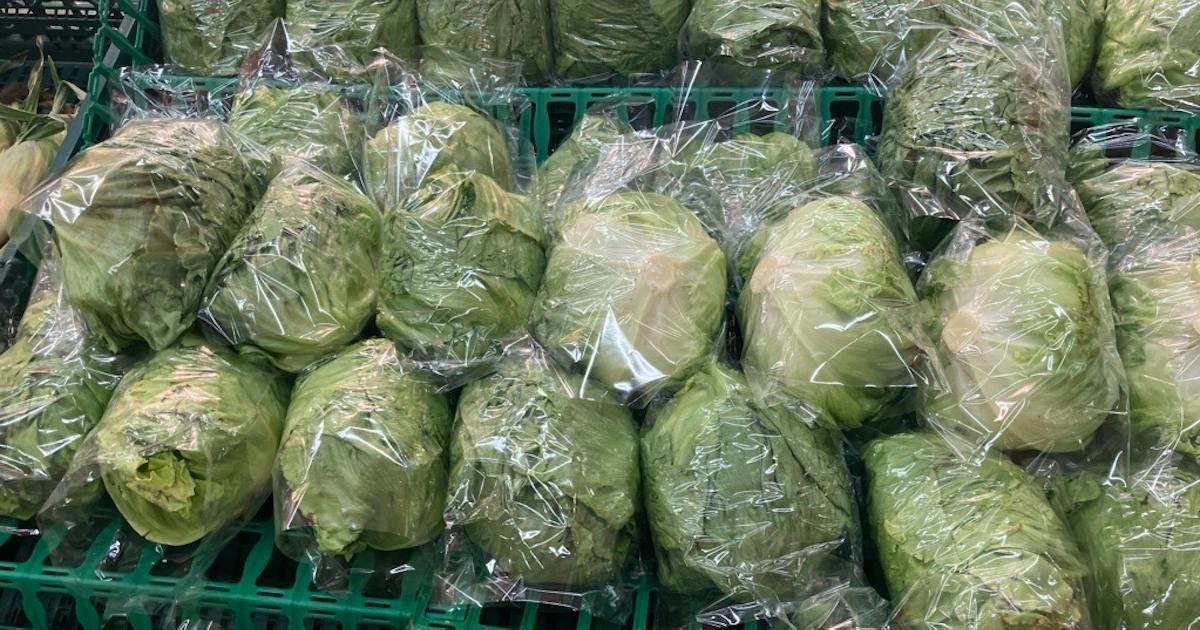
Japan is facing a severe shortage of lettuce and other leafy vegetables after prolonged rain disrupted crop growth and farm work. According to Nikkei, wholesale prices for lettuce varieties are 80% higher than in the same period a year earlier, reflecting a sharp reduction in available domestic supply.
Retail prices have also climbed, with a single head of lettuce exceeding 400 yen. The increase is particularly significant for a product bought frequently by households and used extensively by restaurants, prepared-food manufacturers and institutional kitchens. Unlike commodities that can be stored for long periods, fresh leafy vegetables have limited shelf lives, leaving buyers with little time to respond when harvesting and distribution fall behind.
Retailers and food-service buyers adjust procurement
The shortage is already changing purchasing patterns. Nikkei reported a shift in demand at retail stores as consumers respond to higher lettuce prices. The available source material does not specify which products are gaining demand, but substitution within the fresh vegetable category could redistribute pressure across other leafy vegetables and salad ingredients.
Food-service suppliers are also trying to secure imported lettuce from China. This creates an immediate opportunity for Chinese growers and exporters able to meet Japanese quality, delivery and food-safety requirements. For Japanese importers, however, imported supply must arrive quickly enough to compensate for a highly perishable domestic crop. Transport timing, cold-chain capacity and consistency of supply therefore become central commercial considerations, even when foreign product is available.
Market warns of an unusually severe squeeze
A market participant cited by Nikkei said this was the tightest lettuce supply seen in the past 20 years. Industry participants have warned that the market could face a panic-level shortage and exceptionally high prices if insufficient sunlight continues to impede crop development. The immediate outlook will depend on whether weather conditions improve enough to restore growth and allow normal field operations.
The episode recalls the “tomato panic” three years earlier, when extreme heat caused a tomato shortage and price surge. This time, the cause is different: inadequate sunlight associated with persistent rain is constraining lettuce production. Both cases demonstrate the exposure of Japan’s fresh produce market to weather-related supply shocks, especially for vegetables that cannot be stored in large volumes to bridge a temporary production gap.
For producers, current prices may provide higher unit revenue, but reduced harvest volumes can limit the benefit. Retailers must balance shelf availability against consumers’ resistance to prices above 400 yen per head. Restaurants and processors face pressure on ingredient costs and menu planning, while importers must determine how much Chinese supply can be secured before domestic production recovers. The duration of the weather disruption will decide whether the shortage remains a temporary price spike or develops into a broader procurement problem for Japan’s fresh-food sector.