Japan’s coal imports rise 12.9% as elevated LNG prices reshape power generation
Japan’s coal arrivals increased 12.9% as elevated LNG prices encouraged utilities to switch fuels for power generation. The increase contrasted with lower imports into China and India and a decline in global seaborne coal flows in September 2026.
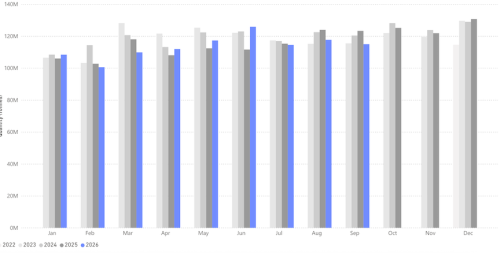
Japan moves back toward coal
Japan’s coal arrivals increased 12.9% as severely elevated liquefied natural gas prices pushed the country’s power sector toward coal-fired generation, according to an October 8 report by Signal senior market analyst Luke Nickels published by the American Journal of Transportation. The increase highlights how relative fuel costs are changing utility purchasing decisions in one of Asia’s major energy-importing markets.
Japan relies heavily on imported energy commodities, including supplies linked to the Arabian Gulf. Signal said the switch to coal has enabled a more insulated energy supply chain. Unlike LNG, coal can be sourced from a wider set of established seaborne suppliers and stored at power plants, giving utilities another option when gas prices remain high.
The increase does not indicate a broad expansion in Asian coal demand. Instead, it reflects a sharp divergence among the region’s largest buyers. Japan raised purchases for power generation, while China and India reduced arrivals as domestic coal production and renewable electricity output increased.
Global flows decline despite metallurgical gains
Signal reported that global seaborne coal flows fell 6.7% year on year in September 2026 to 115 million tonnes. A later summary in the same report put the decline at 6.8%. In both cases, the direction was clear: weaker thermal coal trade outweighed an increase in metallurgical coal shipments.
Metallurgical coal flows rose 13.5%, but thermal coal accounted for 72.8% of total seaborne volumes and therefore determined the market’s overall performance. For miners, vessel operators and commodity traders, the figures show that stronger demand from steelmaking customers was insufficient to compensate for lower power-sector purchases in the two largest Asian importing markets.
Coal arrivals into India fell 14.6%, while China recorded an 8.0% decline. Signal attributed both reductions to higher domestic coal production and improved generation from green-energy initiatives. Japan’s 12.9% increase therefore represented a notable countertrend, driven not by lower domestic supply but by the cost disadvantage of LNG.
October loadings point to renewed restocking
The September contraction may prove temporary. Signal Ocean was already tracking strong coal loadings scheduled to arrive in October, particularly in India. A drier end to the monsoon season sharply reduced hydroelectric output, forcing utilities to burn more coal and indicating the start of a stronger restocking period.
Even so, growing renewable generation means Indian stockpiles are expected to be rebuilt to lower levels than in previous years. That limits the potential scale of the recovery for exporters and suggests that weather-driven demand will coexist with a longer-term reduction in the amount of inventory utilities consider necessary.
China may also provide firmer seaborne demand. Domestic coal prices had risen for 11 consecutive weeks, encouraging buyers to seek cheaper imported material. Indonesian suppliers were struggling to meet demand, leaving Australian cargoes best placed to cover the gap. Mongolian coal volumes also increased notably in 2026, although those shipments enter China overland and compete with seaborne suppliers without supporting maritime freight demand.