Ivory Coast tracks 26,000 tonnes of cocoa as EU deforestation deadline approaches
Ivory Coast’s national traceability system has recorded 26,000 tonnes of cocoa purchased using producer cards. The country is expanding the system across its cocoa supply chain before EU deforestation rules apply to relevant operators on January 1, 2027.
Traceability system moves into large-scale operation
Ivory Coast has tracked an estimated 26,000 tonnes of cocoa through its national traceability system as the world’s largest cocoa producer prepares for stricter European sustainability requirements. KOACI reported that 600 cooperative companies have used producer cards to buy and deliver beans since September 1, 2026, alongside dedicated bags and seals that identify and follow individual lots.
The rollout covers the 2026-2027 coffee and cocoa marketing campaign. Registered cooperatives must now comply with the National Traceability System, known by its French abbreviation SNT. The system is intended to document cocoa from the grower through the domestic supply chain and onward to export markets, giving buyers and regulators more reliable information about the origin and movement of beans.
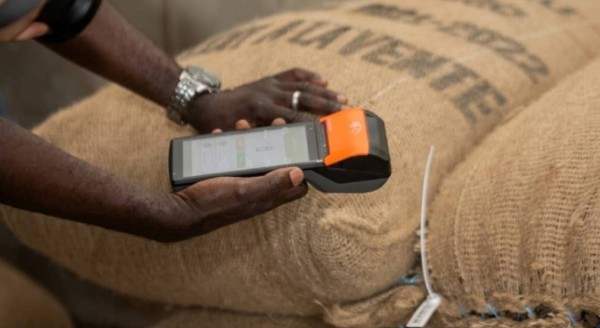
KOACI said the Coffee-Cocoa Council trained all cooperatives covered by the program and supplied them with electronic payment terminals and seals for the physical tracking of cocoa. Before the system took effect, 10,000 terminals and 10 million seals had been distributed free of charge. Equipment distribution is continuing through the council’s thirteen regional delegations so that all approved cooperatives can process traceable transactions.
Stock records connect farms with export shipments
The first operational data show that 450 bills of lading have been validated in SYDORE, the Coffee-Cocoa Council’s system for monitoring rural cocoa stocks. These documents represent cocoa bought using producer cards and correspond to the reported stock of 26,000 tonnes. Cooperatives, buyers and exporters are responsible for validating data at different stages, creating a documented chain between purchases in producing areas and shipments for overseas customers.
The system’s effectiveness will depend on consistent data entry and physical control of bags and lots. Producer cards establish the identity of sellers, while seals support the tracking of beans as they pass through cooperatives and commercial operators. For exporters, reliable alignment between digital records, physical stocks and shipping documents will be essential when providing evidence about a consignment’s origin.
European rules raise the compliance stakes
The rollout comes before the European Union’s regulation on imported deforestation is due to apply to the operators concerned from January 1, 2027. Under the requirements described by KOACI, companies placing covered products on the European market must demonstrate that they do not originate from land affected by deforestation or forest degradation after the regulation’s reference date. Traceability therefore directly affects the ability of Ivorian cocoa supply chains to document compliance and preserve market access.
The SNT predates the current marketing campaign. Ivory Coast made implementation compulsory through a decree adopted by the Council of Ministers on September 13, 2023, with the aim of improving cocoa’s compliance with social and environmental sustainability standards. The use of producer cards, electronic terminals, identified bags and seals now moves that policy into broad operational deployment.
The coming weeks will test whether equipment and procedures can be extended across all approved cooperatives. The initial 26,000 tonnes demonstrate that transactions can be recorded, but nationwide coverage requires every stage of the chain to produce compatible and verifiable information. For producers, traders and exporters, the practical issue is no longer only registering cocoa purchases; it is ensuring that each lot retains a credible identity through aggregation, transport, stock management and export documentation.