Cocoa sectors in Ivory Coast and Ghana alarmed by rise of bean-free chocolate
Emerging technology that makes chocolate without cocoa beans is causing concern in Ivory Coast and Ghana, the world’s two largest cocoa producers. Growers and exporters fear that wider adoption could weaken long-term demand for conventional cocoa beans.
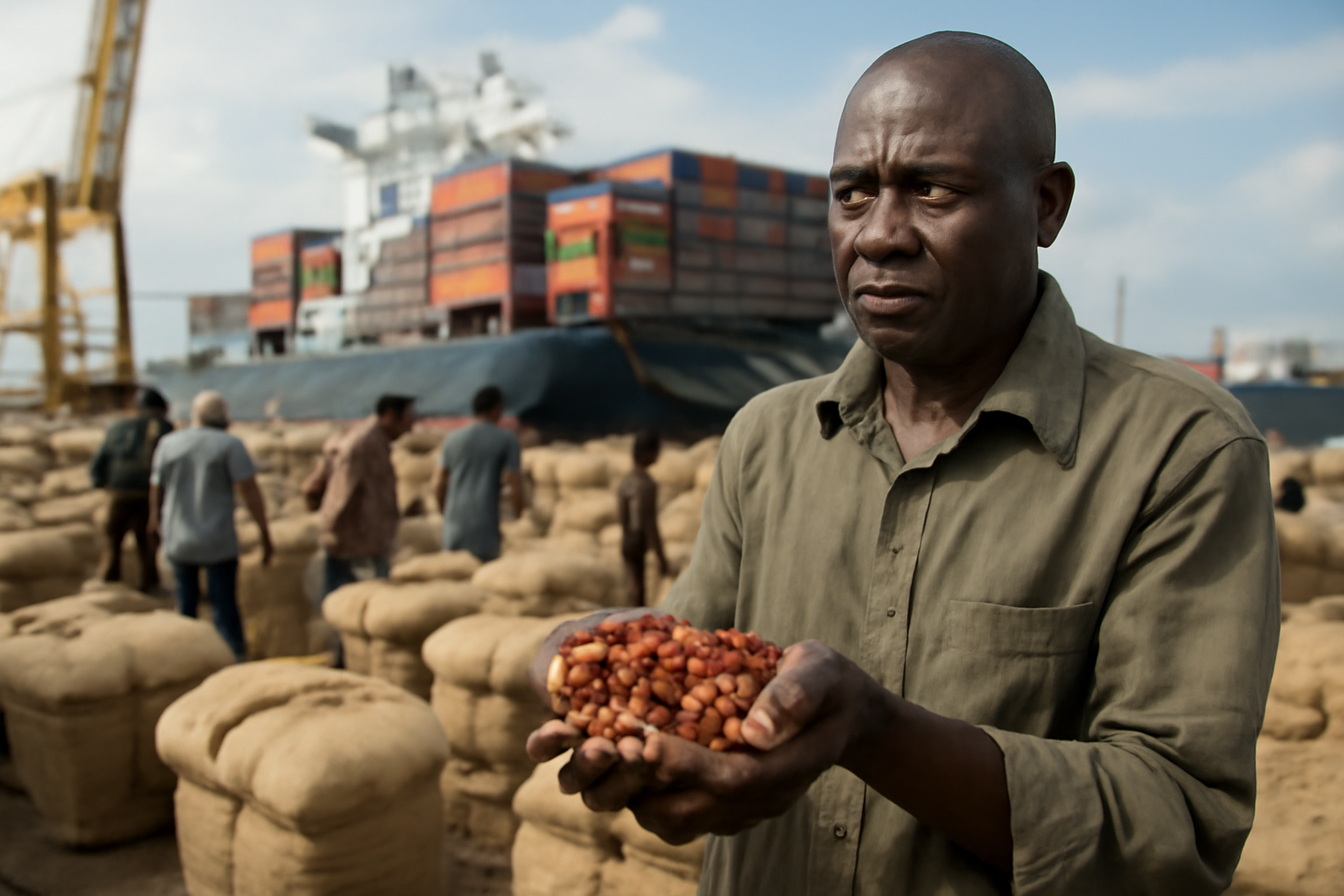
A new challenge for the cocoa sector
The cocoa industries of Ivory Coast and Ghana are becoming increasingly concerned about the emergence of chocolate produced without cocoa beans. Industrial start-ups are developing alternative methods intended to recreate chocolate without relying on the crop that supports growers, processors and exporters across the two West African countries.
Ivory Coast and Ghana are the world’s two largest cocoa producers, making the issue particularly significant for their agricultural sectors. Conventional chocolate production creates demand for harvested beans and supports a commercial chain extending from farms to processors and export markets. A product that removes beans from that chain could eventually affect purchasing decisions throughout the industry.
Long-term demand is the central concern
The immediate issue is not a reported collapse in cocoa consumption, but the possibility that bean-free products could take part of the future chocolate market. The available material provides no figures for current production, investment, prices or market share in this emerging segment. It also does not establish how quickly these products could reach commercial scale. The concern in Ivory Coast and Ghana is therefore focused on the direction of the technology and its potential consequences rather than on a quantified loss of demand.
For cocoa growers, the risk would depend on whether consumers and food manufacturers accept the alternatives as substitutes for conventional chocolate. For exporters and processors, the important questions include production costs, product quality, manufacturing capacity and the speed at which industrial customers might adopt the technology. None of those variables is quantified in the available information, leaving the eventual market effect uncertain.
Technology could alter competition
Bean-free chocolate could introduce a new form of competition into a market traditionally linked to cocoa harvests. If production expands, chocolate manufacturers may gain another source of ingredients or finished products that is not directly tied to cocoa-bean supply. That could influence negotiations between buyers, processors and producing countries, particularly if the alternative becomes commercially viable at industrial scale.
The development also raises strategic questions for Ivory Coast and Ghana. Their cocoa sectors must monitor whether bean-free products remain a limited technological category or develop into a meaningful substitute. Producers, exporters and investors will need evidence on capacity, customer demand and manufacturing economics before estimating the impact. For now, the reported alarm reflects exposure to a possible long-term shift: the two leading cocoa-producing countries face a technology designed to make chocolate without their central raw material.