Italy’s wine sector faces surplus as consumption habits shift
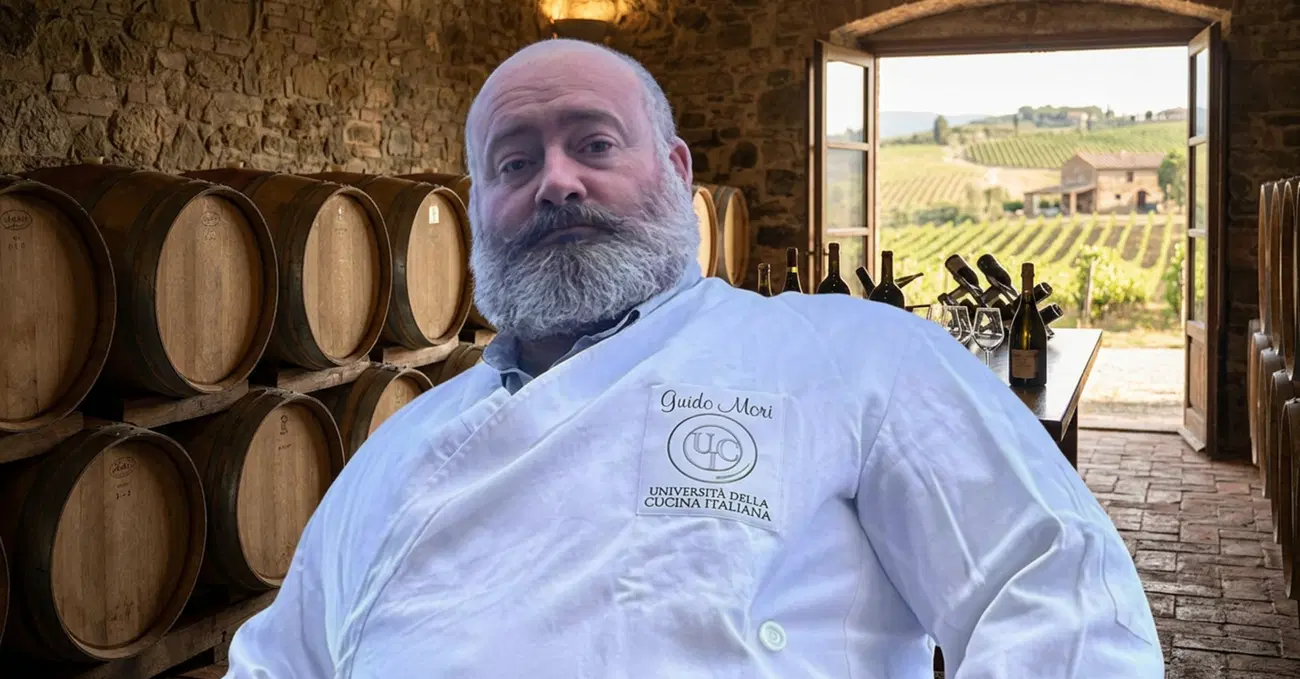
Italy’s wine industry is confronting excess stocks as higher prices and changing consumer habits weaken demand. Chef and food-industry consultant Guido Mori argues that unsold wine could be converted into vinegar for technical, chemical and pharmaceutical uses.
Excess stocks expose a widening supply-demand gap
Italy’s wine sector is facing a sharp mismatch between production and consumption. MOW reports that more than 7 billion bottles remain unsold, describing the situation as an unprecedented overproduction crisis. The publication links the accumulation to higher retail prices, changing drinking habits and a supply chain that continued producing without adjusting sufficiently to new markets, packaging formats or styles of communication.
The pressure is not presented as a problem of wine quality. Instead, the report points to a commercial model built around the assumption that Italian wine’s reputation would continue to support expanding production and premium prices. Europe is now considering the removal of excess vineyards, according to MOW, an indication that policymakers are also examining measures on the production side of the market.
Premium pricing meets generational change
Guido Mori, a chef, chemist and food-industry consultant who founded and directs the University of Italian Cuisine, argues that producers progressively turned wine from an everyday food product into a luxury good. In his estimate, vineyard management, harvesting, fermentation and cellar operations cost no more than €2.50-€3 per litre. Bottles, labels and other commercial requirements add around €2, putting the total production and packaging cost of even expensive-to-produce wine at approximately €4-€5 per litre.
Mori contrasts those estimated costs with bottles whose lowest retail price can reach €50. He questions why producers continue using costly bottles rather than simpler formats such as flasks or demijohns, which he says could reduce costs to €2.50-€3 per litre. His figures are estimates rather than audited industry averages, but they frame the debate over whether premium positioning has reduced wine’s accessibility as household budgets come under pressure.
Demand is also changing across generations. MOW says younger consumers increasingly favour craft beer and mixed drinks over traditional full-bodied red wines. Mori adds that greater awareness of alcohol’s health risks is encouraging younger people to drink less. Together, these trends challenge producers whose portfolios, packaging and pricing were designed for a broader and more habitual wine-drinking public.
Vinegar proposed as an outlet for surplus wine
Mori identifies three forces behind the current strain: generational change, producers’ failure to adapt and a weaker economic environment in established markets. He also criticises production incentives that allowed output to exceed the volume consumers could absorb. His argument is that neither the state nor the European Union should support additional supply without a credible destination for it.
For the wine already in storage, Mori proposes conversion into vinegar for technical, chemical and pharmaceutical applications. He claims the present volume could provide raw material for such uses for as long as 150 years. The proposal would create an outlet for stocks that cannot be sold as bottled wine, although the source provides no estimate of conversion capacity, industrial demand, processing costs or the price producers could receive.
For wineries, cooperatives and distributors, the immediate issue is therefore not only how to clear existing inventories but how to prevent further accumulation. Lower-cost packaging, more accessible price points and products aligned with younger consumers could help producers test demand without relying solely on premium bottles. Vineyard removal and industrial conversion would address supply, but the sector’s longer-term balance will depend on whether production volumes and commercial strategies adjust to a smaller and changing consumer base.