Italy turns to Western Australia to reduce reliance on Chinese rare earths
Italian export credit agency SACE is strengthening cooperation with Western Australia on critical minerals. The initiative is intended to diversify Italy’s rare earth supplies and reduce its dependence on China.
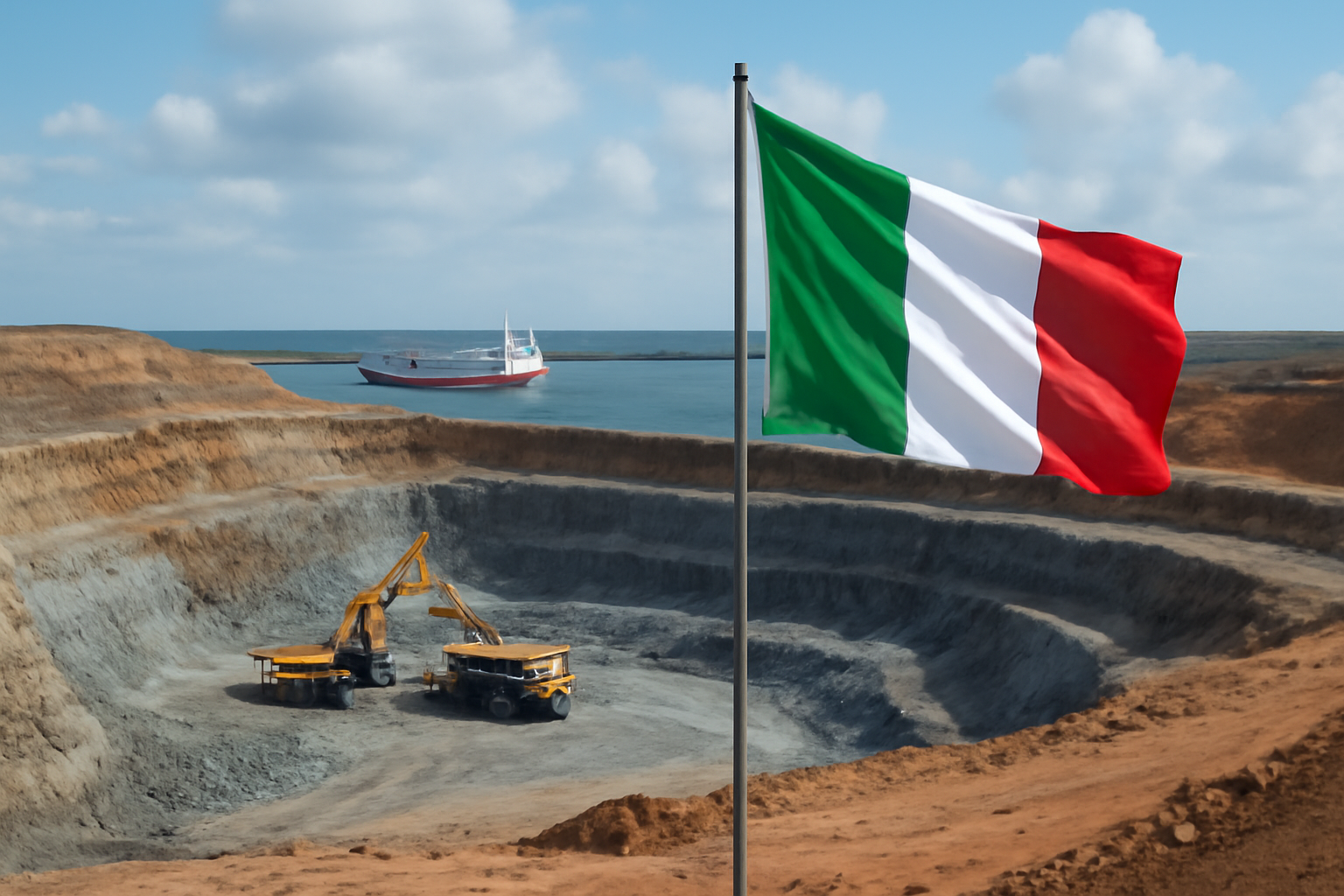
Italy seeks a broader supply base
Italy is looking to Western Australia for critical minerals as it seeks to reduce its dependence on rare earth supplies from China. Italian export credit agency SACE and Western Australia are strengthening their cooperation in an initiative aimed at diversifying the sources available to Italian industry, according to Energia Oltre.
The move puts an established public finance institution at the centre of Italy’s supply diversification effort. SACE’s involvement signals that the initiative is not limited to political dialogue: export credit support can help connect Italian companies with projects and commercial partners in Western Australia. The information available does not identify specific mines, processing facilities, financing commitments or supply volumes.
For Italian industrial buyers, the central issue is access to an additional source of strategically important materials. Diversification does not necessarily mean replacing Chinese supply. It can instead give buyers another procurement channel and reduce the operational consequences of relying heavily on one country.
Western Australia gains a potential industrial partner
Western Australia is the Australian jurisdiction directly involved in the cooperation with SACE. The arrangement could bring its critical-minerals sector closer to Italian customers, investors and industrial projects. No companies or individual commodities covered by the initiative have been disclosed beyond the broader focus on critical minerals and rare earths.
The commercial impact will depend on whether the cooperation produces concrete transactions. Producers need credible buyers and financing, while Italian users need reliable specifications, delivery schedules and contract terms. Without named projects or purchase agreements, the initiative remains a framework for developing supply relationships rather than evidence of an immediate change in physical trade flows.
Even so, closer institutional cooperation can lower the initial barriers faced by companies entering an unfamiliar market. SACE can provide a point of contact for Italian businesses assessing Australian opportunities, while Western Australia can present its projects to a more clearly defined group of prospective European partners.
China remains the reference point
China is central to the rationale for the initiative because Italy’s stated objective is to reduce dependence on Chinese rare earths. The cooperation reflects concern over concentrated sourcing and the exposure it creates for companies that require continuous access to critical inputs.
For producers and project developers in Western Australia, Italian demand could broaden the potential customer base. For Italian importers and processors, Australian supply could offer another negotiating option and support procurement planning. Investors will be watching for project names, financing packages, binding offtake contracts and delivery volumes, none of which have yet been specified in the supplied information.
The next stage will determine whether the cooperation develops into measurable capacity and trade. Announcements of individual projects, credit guarantees or purchase commitments would provide clearer evidence of its scale. Until then, the main significance is strategic: Italy is using SACE to build a supply relationship with Western Australia while seeking to make its rare earth procurement less dependent on China.