Italy weighs extending fuel-tax relief as Saudi and Libyan disruptions lift oil prices
Italy is considering another one-week extension of its €0.17-per-litre fuel excise cut as crude and pump prices rise. Disruptions affecting Saudi Arabian and Libyan supplies have intensified pressure on European refiners and Italy’s fuel market.
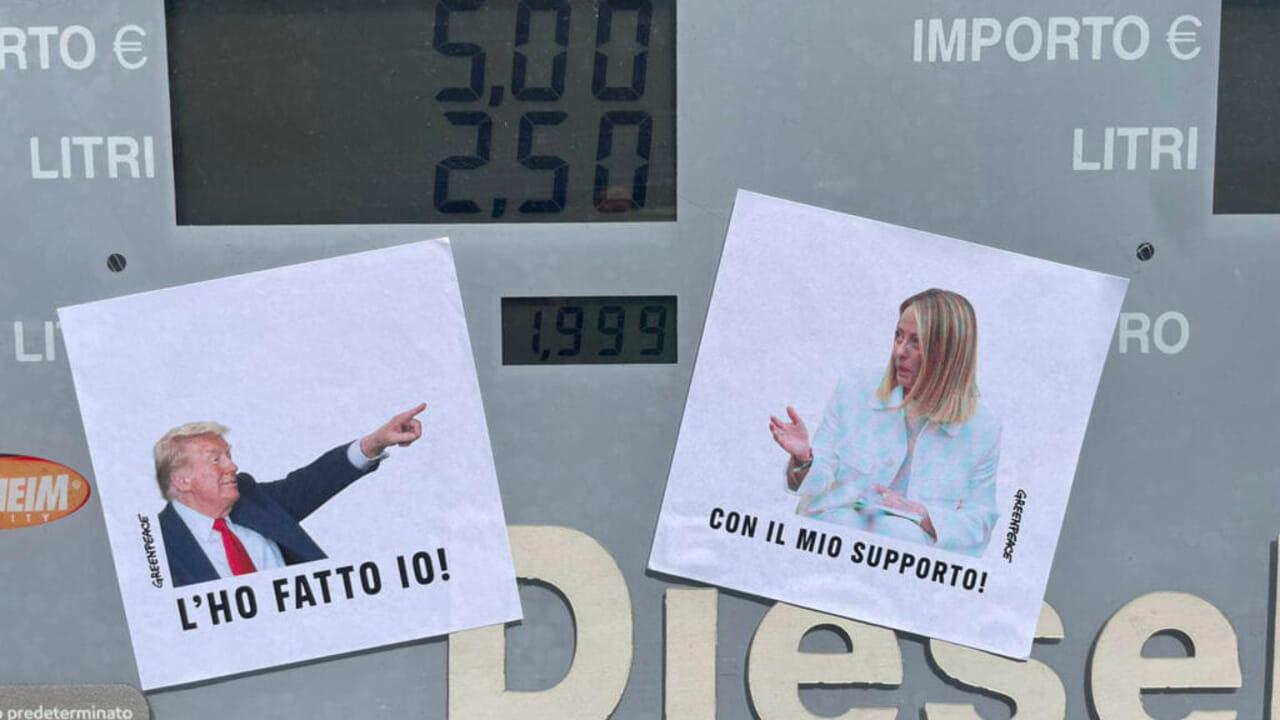
Saudi disruption tightens European crude supply
Italy’s government is preparing to decide whether to extend a €0.17-per-litre reduction in fuel excise duties as disruptions in Saudi Arabia and Libya add pressure to oil prices. The current relief expires at midnight on Thursday, September 17, and qualified sources cited by Today.it said the government was leaning toward another one-week extension.
Saudi Arabia has informed some European customers that crude cargoes scheduled for the second half of September will be cancelled, according to industry sources cited by Reuters. The disruption followed damage to the East-West pipeline and the suspension of loading operations at Yanbu on the Red Sea. The number of affected cargoes and the duration of the interruption remain unclear, while Saudi Aramco has not commented.
The East-West pipeline carries crude from Saudi Arabia’s eastern producing regions to the Red Sea, bypassing the Strait of Hormuz. It had become particularly important as shipping conditions in the Persian Gulf deteriorated. Poland’s Orlen, which receives about 40% of its crude from Saudi Aramco, has already bought North Sea oil on the spot market and is seeking additional supplies from the United States, Kazakhstan, Algeria and Guyana, Reuters reported.
Libyan shutdown creates direct risk for Italy
Supply concerns have also intensified in Libya, currently Italy’s largest crude supplier. Italy imported about 11.5 million tonnes of Libyan crude in 2025, representing almost one-quarter of its total crude imports. The closure of the Hamada-Zawiya pipeline has halted activity at the Hamada and Tahara fields and at a pumping station.
Libya’s National Oil Corporation said members of the Petroleum Facilities Guard closed a pipeline valve. The security force is demanding that its administrative and financial oversight be transferred from the Defence Ministry to the national oil company. It also announced partial production cuts for one week at other sites and threatened a complete shutdown if no agreement is reached. The NOC warned that it could declare force majeure and suspend exports if the disruption continues or spreads to additional facilities.
Pump prices rise as fiscal costs mount
Oil was trading near $110 a barrel, after Brent had already exceeded $100 in recent weeks from roughly $72-$73 before the current Middle East escalation. Reuters put physical-market dated Brent at around $122 a barrel. The simultaneous pressure on the Strait of Hormuz and Saudi Arabia’s alternative Red Sea route is particularly significant for European buyers seeking replacement barrels.
Italian Ministry of Enterprises and Made in Italy data showed average self-service petrol at €2.120 per litre on the national road network, up €0.013 in one day. Diesel reached €2.231 per litre, an increase of €0.015. Motorway averages were higher at €2.212 for petrol and €2.313 for diesel. On September 10, ordinary-road prices had been €2.077 and €2.184 respectively, meaning both fuels gained more than €0.04 per litre in less than a week.
The cabinet was scheduled to meet at 16:30 on Wednesday, September 16, although Today.it reported that a broader package of targeted fuel-cost measures was unlikely to be approved immediately. The previous seven-day extension, adopted on September 10, cost about €85 million. Parliamentary research services estimated that excise reductions between March 19 and September 10 had already cost €2.0745 billion. Including the latest week, the documented fiscal cost exceeds €2.15 billion, highlighting the limited durability of repeated temporary extensions if crude prices remain elevated.