Assolatte: Italy is the EU's top cheese exporter to Brazil as Mercosur deal opens room to grow
Italy is the European Union's leading cheese supplier to Brazil, although direct shipments to the Mercosur area still amount to only 560 tonnes worth about €6 million, Assolatte president Paolo Zanetti said in Bergamo. Brazil imported 50,000 tonnes of cheese in 2025 for €223 million, making it the bloc's largest market. The EU-Mercosur agreement phases down duties and recognises nine Italian cheese names, but sanitary disputes remain unresolved.
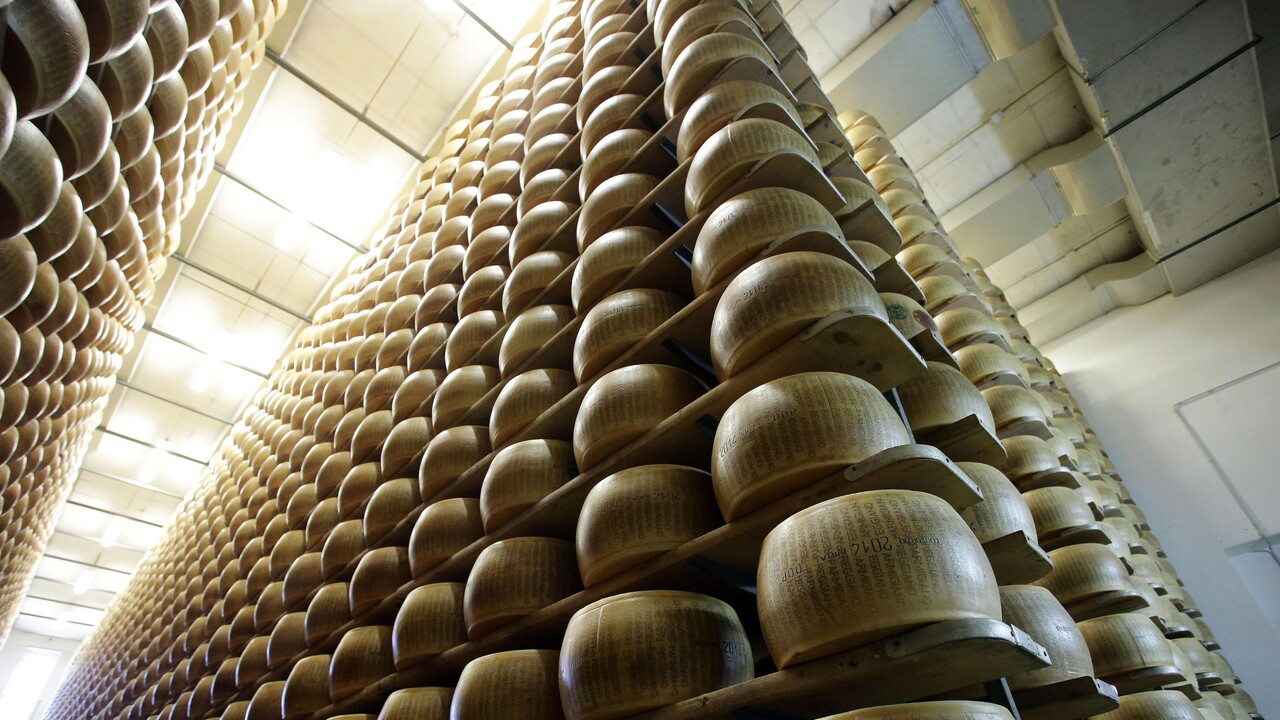
Italy is the European Union's largest cheese exporter to Brazil, even though its direct shipments to the Mercosur area remain modest at 560 tonnes worth about €6 million, Assolatte president Paolo Zanetti said at the conference “EU-Mercosur and the future of the dairy sector”, held during the B2Cheese trade fair in Bergamo. The remarks were reported by the Italian news agency ANSA on 24 September.
Zanetti described Mercosur as a strategic market for the Italian dairy industry and said the trend of recent years is encouraging despite the small base. “Companies need to explore and develop new markets, and Mercosur, Brazil in particular, represents a concrete opportunity,” he said, “with Italy already the leading European exporter in the country.”
Brazil anchors regional cheese demand
Brazil imported 50,000 tonnes of cheese in 2025 for €223 million, confirming its position as the main market in the South American bloc, according to the figures presented by Assolatte. That implies an average import value of roughly €4,460 per tonne across all origins and product types.
Against that volume, the 560 tonnes Italy ships to the whole Mercosur area represent little more than one percent of Brazilian import volumes alone. The value of those shipments, however, works out at about €10,700 per tonne, more than double the average unit value of Brazilian cheese imports. The gap indicates that Italian sales into the region are concentrated in high-value protected-designation products rather than in commodity cheese, where Brazilian domestic producers and lower-cost suppliers compete on price.
Tariff relief and nine recognised names
Assolatte pointed to the commercial concessions in the EU-Mercosur agreement that are intended to progressively lighten the customs burden on European dairy, alongside provisions on intellectual property. Nine Italian products have obtained official recognition on the South American market: Asiago, Fontina, Gorgonzola, Grana Padano, Mozzarella di Bufala Campana, Parmigiano Reggiano, Pecorino Romano, Provolone Valpadana and Taleggio.
For Italian processors, name protection and duty relief work together. Tariff reductions narrow the landed-cost gap with domestic Brazilian output, while recognition of the nine designations separates the Italian originals from locally made cheeses sold under similar-sounding names. Both mechanisms matter most in the premium retail and foodservice segments, which are the channels Italian exporters already serve given the price levels implied by current trade data.
Sanitary divergences still unresolved
Assolatte noted that a number of differences persist between Brazil and the European Commission on sanitary matters, and that these are indirectly affecting the dairy sector. Such issues typically govern establishment approvals and health certification, and they determine whether tariff concessions translate into actual shipments.
“The agreement represents an important step forward,” Zanetti concluded, “but to reap its benefits in full it is necessary to continue the discussion on the critical points that still exist.”
The conference was held within B2Cheese in Bergamo, the Italian business event dedicated to the cheese supply chain. For exporters, the immediate read is that Italy's leadership among EU suppliers to Brazil is established but built on small absolute volumes, leaving the scale of any gain dependent on how quickly duty phase-downs and sanitary procedures are settled.