Italy's Senate exempts fresh produce packaging from compostability rules
The Italian Senate approved on 23 September 2026, at first reading, the amended conversion text of decree-law no. 143/2026 on compostable packaging. Single-use plastic packaging for pre-packed fresh fruit and vegetables below 1.5 kg, herbs, cultivated mushrooms and ready-to-eat produce is exempt from the compostability obligation, along with hotel, restaurant and catering packaging.
Senate approves amended decree-law 143/2026
The assembly of the Italian Senate approved on 23 September 2026, at first reading, the text converting into law with modifications decree-law no. 143/2026, which carries urgent provisions on the compostability obligation for certain categories of packaging, according to ItaliaOggi. The amended text carves out single-use plastic packaging used for fresh fruit and vegetables, leaving the sector free to continue with conventional materials.
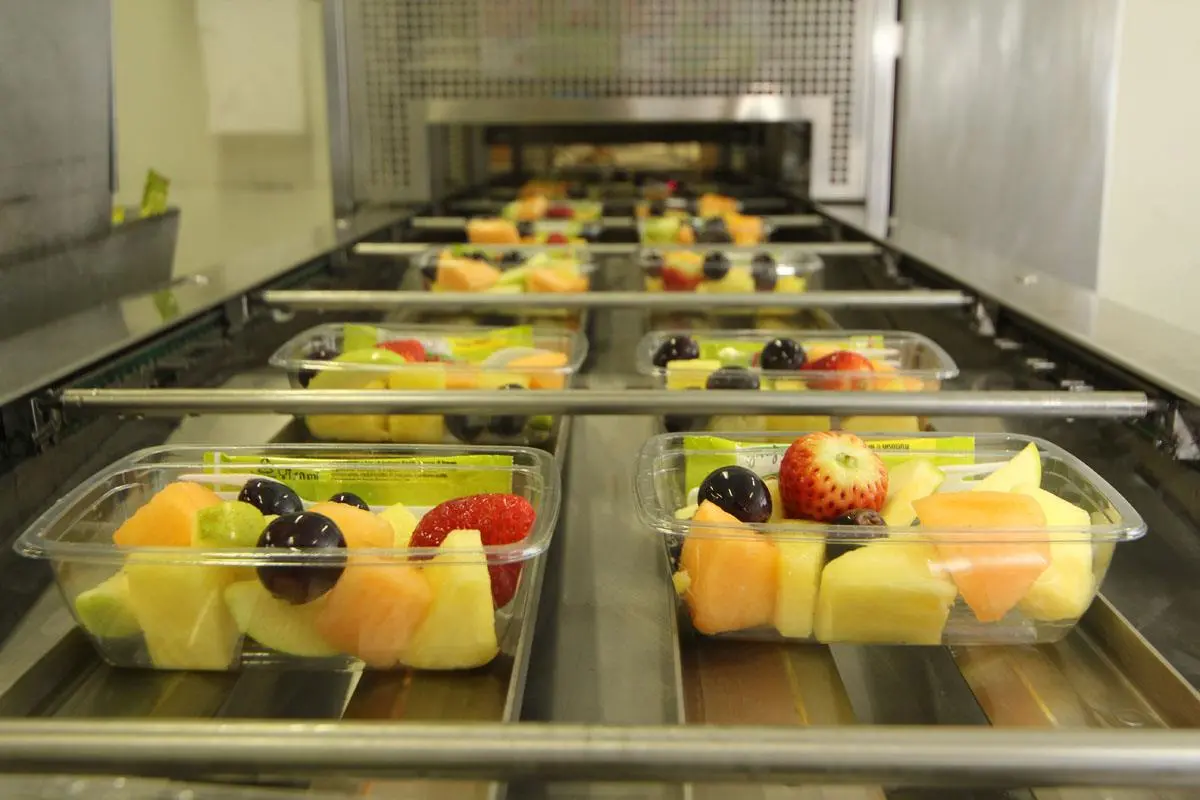
Compostability will not be mandatory for single-use plastic packaging destined to hold quantities below 1.5 kg of pre-packed fresh fruit and vegetables. The same exemption covers aromatic herbs, cultivated mushrooms and so-called IV gamma produce, that is ready-to-eat items subject only to minimal processing. A newly inserted paragraph, 2-bis, sets out more precisely how the obligation is to be implemented. The vote was a first reading, so the conversion bill has not yet completed its parliamentary passage.
Which packaging falls outside the obligation
The decree currently in force identifies the packaging types that may be made available on the domestic market: those in the formats and for the uses allowed by EU Regulation 2025/40, and those produced with certified biodegradable and compostable materials in compliance with the UNI EN 13432 standard or equivalent recognised standards. Alongside produce packs below 1.5 kg, the approved text adds further categories of single-use plastic packaging:
- single-use plastic packaging for pre-packed fresh fruit and vegetables under 1.5 kg, including aromatic herbs, cultivated mushrooms and IV gamma ready-to-eat lines;
- single-use plastic packaging used in the hotel, restaurant and catering sectors;
- packaging for individual portions used in the hotel sector;
- flexible packaging for cosmetics and hygiene products in the accommodation sector.
Cosmetics tied to certification of the contents
A separate provision approved by the Senate links the treatment of single-use packaging for cosmetics and hygiene products in the accommodation sector to what is inside the pack: compostability is made conditional on certification of the contained product as biodegradable and compostable, ItaliaOggi reported. The obligation therefore moves upstream, from the converter to the formulator of the shampoo, soap or lotion supplied to hotels.
Anchored to EU Regulation 2025/40
The categories concerned are the same ones governed by Annex V to EU Regulation 2025/40. For those items the European legislator has set restrictions on placing on the market or on use from 1 January 2030, while allowing member states to adopt dedicated rules for compostable packaging before 12 August. The measure approved in Rome will therefore allow the fruit and vegetable sector to continue using traditional plastic packaging while remaining compliant with EU law.
For packers the practical consequence is continuity of specification. Fresh produce lines built around conventional film, trays and flow-wrap do not have to be requalified in the short term, and buyers of packaging for salads, herbs and mushrooms avoid a switch to certified compostable materials that would have required new sourcing and new sealing parameters. The 1.5 kg threshold is the operative limit: it captures the retail pre-pack formats used by supermarkets, while bulk and larger formats fall outside the wording reported by ItaliaOggi.
The exemption does not remove the 2030 horizon set at EU level, which continues to apply to the same product categories. It also leaves in place the alternative route written into the decree, under which packaging made from certified biodegradable and compostable materials conforming to UNI EN 13432 remains admissible on the Italian market. Producers of compostable film and trays therefore keep a legal opening in Italy, but lose, for now, the regulatory push that would have made their materials compulsory for one of the country's largest packaged-food categories.