Italy's plastic collection at risk as cheaper Asian imports stall recycling, Corepla warns
Italy's separated collection of plastic packaging could stop because storage sites are full in many regions and recycled material is not finding buyers, the consortium Corepla warned in comments reported by la Repubblica. Its president said importing the material from Asia costs less than recycling it. The build-up of baled plastic also raises the risk of toxic fires.
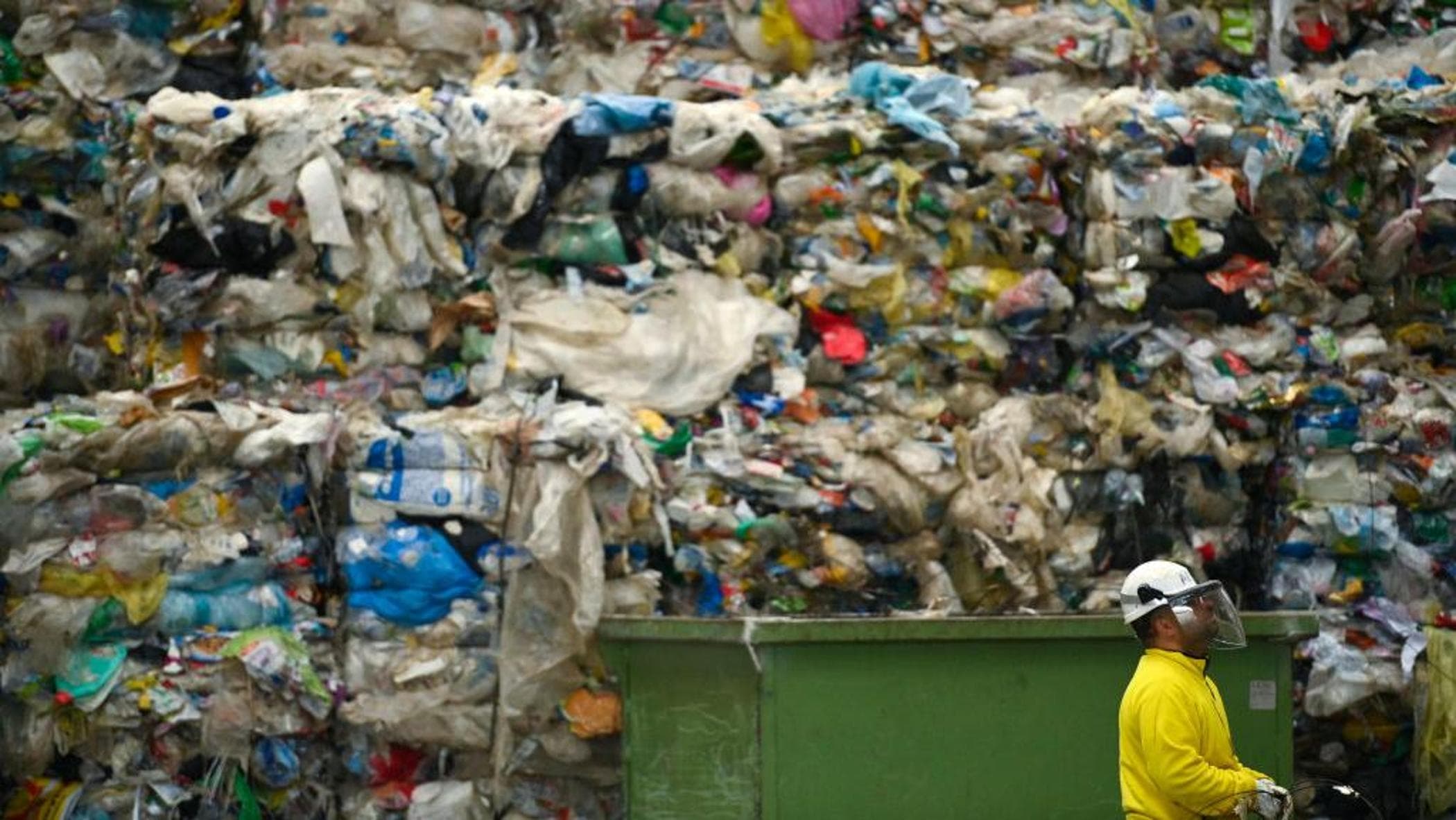
Italy's separated collection of plastic packaging is at risk of stopping because storage sites are full and recycled material is losing ground to cheaper imports from Asia, the consortium Corepla has warned in comments reported by la Repubblica.
Storage sites full in many regions
Corepla, the national consortium that organises the collection, recycling and recovery of plastic packaging in Italy, told la Repubblica that storage centres are full in many regions. The consortium sits at the centre of a chain that begins with municipal kerbside collection, runs through sorting plants that separate bales by polymer, and ends with recyclers that turn those bales into flakes and pellets for industrial buyers.
That chain works only as long as the final step keeps pulling material through it. When recyclers stop buying, bales stay where they are, sorting and stockholding sites run out of space, and operators eventually have to limit or refuse incoming loads from municipalities. At that point the visible part of the system — the household bin — has nowhere to send what it collects.
Imported plastic cheaper than domestic recycling
The economics behind the blockage are stated bluntly by the president of Corepla, quoted by la Repubblica: importing from Asia costs less than recycling. The consortium also points to an oversupply of the material relative to what the market is willing to absorb.
For Italian recyclers this is a margin problem rather than a technical one. Collection, sorting, washing and extrusion costs are incurred in euros, in Italian energy and labour markets, while the reference price for the output is set by whatever converters can buy from abroad. When imported material is cheaper, recycled output either sells at a loss or does not sell at all — and a plant that cannot sell stops taking in feedstock.
The same squeeze travels upstream. Sorting operators hold bales they cannot place, storage costs rise, and the value of the recovered fraction falls, weakening the revenue that helps fund collection itself.
Several pressure points follow from the situation described by la Repubblica:
- Saturated storage capacity at sorting and stockholding facilities across multiple regions.
- Import competition setting the effective ceiling on recycled material prices in Italy.
- Weak demand from converters, leaving baled plastic without a buyer.
- Growing fire risk wherever bales accumulate well beyond normal turnover.
Fire risk from stockpiles
La Repubblica reports that the accumulation increases the risk of toxic fires. Baled plastic packaging is light, dense when compacted and highly combustible; once alight in large volumes it is difficult to extinguish and produces heavy smoke loaded with hazardous combustion products. Waste storage sites operating above their intended capacity are the classic setting for such incidents, and the risk grows the longer material sits without moving.
If collection is interrupted, the immediate alternatives for post-consumer packaging are incineration with energy recovery or landfill, both of which shift cost and environmental burden rather than removing it. Municipalities would face the disposal bill, and material that has already been separated by households would leave the recycling chain entirely.
For producers, converters and traders the warning sets out what to watch: the spread between imported and domestically recycled material, the willingness of packaging users to pay a premium for recycled content, and whether regulators respond to a bottleneck that is commercial in origin rather than operational. Corepla's message, as reported by la Repubblica, is that without a buyer for the output, the collection system that feeds it cannot keep running.