Italy's plastic collection jams as COREPLA halts pickups and sorting plants fill up
Municipalities across Italy have warned of disruption to separate plastic collection after COREPLA suspended pickups and treatment plants reached maximum storage capacity, the news agency Dire reported. Regional officials blame falling demand for recycled material amid cheaper virgin plastic and non-European imports. Sardinia has secured about 2,400 tonnes of extra storage and expects a new sorting centre by October.
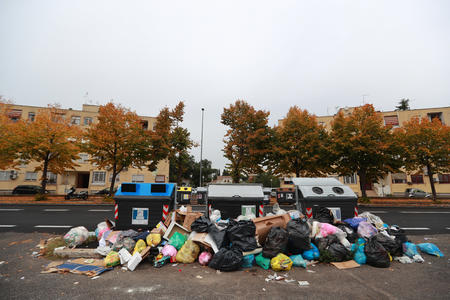
Municipalities across Italy are warning residents that separate plastic collection may be disrupted in the coming days after treatment and transfer plants reached their maximum storage capacity, the Italian news agency Dire reported on 8 September. The blockage comes ten months after the environment ministry, MASE, opened a monitoring table on the difficulties of the national plastic supply chain, with pressure now visible in Lazio and other regions.
Plants can no longer accept material
“The halt in collections by the supply chain consortium COREPLA has brought conferment and treatment plants to their maximum storage capacity,” reads a notice issued to residents by municipalities in the province of Rome. “Consequently, at the moment the plants are not able to receive further quantities of material.”
The same notice describes the problem as nationwide rather than local, stating that the situation affects numerous municipalities and territories throughout Italy and that talks are under way at national level between ANCI, CONAI and the supply chain consortia, with the aim of returning to normal operations as soon as possible.
Recycled plastic priced out by virgin polymer and imports
On 2 September, Marietta Tidei, leader of the Italia Viva group in the Lazio Regional Council, filed a formal question to regional president Francesco Rocca and to the councillor for the waste cycle, Fabrizio Ghera, asking what steps the region intends to take. According to Tidei, the national plastic recovery and recycling chain is going through a phase of serious difficulty, linked in part to growing competition from virgin plastics and from materials arriving from non-European countries at significantly lower cost than recycled plastic produced in Italy. The result, she said, is reduced demand for recycled material and a progressive accumulation of collected volumes at sorting, treatment and transfer plants.
Tidei added that COREPLA is finding it increasingly difficult to guarantee the regular and complete withdrawal of material delivered by the plants used by municipalities. Several mayors have already raised the alarm and written to COREPLA, CONAI, ANCI, the environment ministry and the Lazio region, requesting the urgent activation of a regional coordination table. The risk they set out is plant saturation, with possible environmental and health consequences, interruptions to the continuity of separate collection, and extraordinary costs falling on municipal budgets and indirectly on residents.
Sardinia looks for storage space and a new sorting centre
In Sardinia, a working group convened on 26 August by the regional environment department produced an action plan, following a first meeting on 12 August. Participants included metropolitan cities, provinces, ANCI, the industrial consortia CACIP and CIPNES, and the national consortia CONAI and COREPLA. Regional environment councillor Rosanna Laconi said the priority agreed with the wider-area authorities is to accelerate the identification of new storage areas.
- Additional storage space for roughly 2,400 tonnes has been secured so far, partly with regional support.
- COREPLA has scheduled transfers of material to the Italian mainland and abroad.
- In southern Sardinia, CACIP is working on a sorting centre that could enter service by October.
“We need to go beyond solutions tied only to the emergency,” Laconi said, calling on COREPLA for structural answers that take account of Sardinia's specific conditions and the greater constraints stemming from insularity. The new sorting centre in the south, she said, would help strengthen the chain and reduce pressure in that part of the island.
Pressure to keep material inside the region
Elsewhere, local authorities are resisting the option of moving surplus plastic outside their own territory. A meeting was held at the prefecture following a request from the waste consortium Cosmari, on the premise that shipping excess volumes out of the region is a route to be avoided and that the solution must be found at home; three options are on the table. Laconi indicated that the wider question will shortly be taken up at national level within the Environment and Energy commission of the Conference of the Regions, where the measures to be adopted will be reviewed in the presence of the environment minister.