Italy produced 424,168 tonnes of roasted and soluble coffee in 2025
Italy produced 424,168 tonnes of roasted and soluble coffee in 2025, while the industry generated €5.9 billion in turnover. The country imported 641,234 tonnes of green coffee and exported almost 280,000 tonnes of roasted coffee.
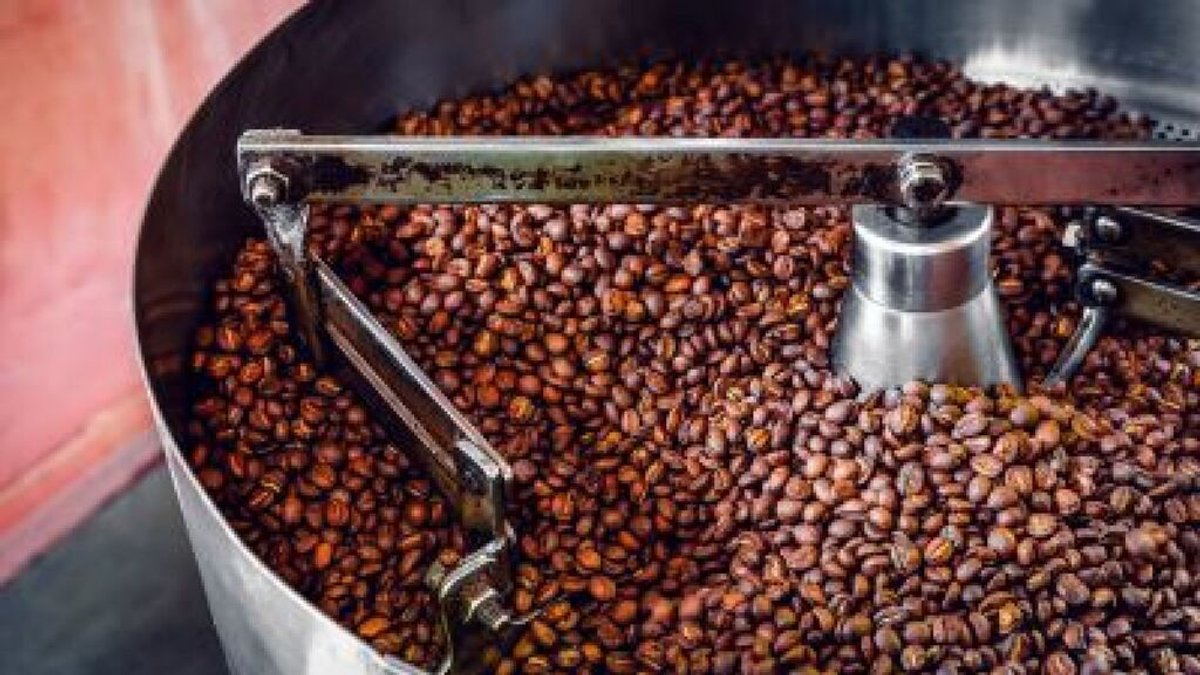
Output reaches 424,168 tonnes
Italy produced 424,168 tonnes of roasted and soluble coffee in 2025, according to figures presented by the Italian Coffee Committee of Unione Italiana Food. The industry comprises about 1,000 roasting companies and generates annual turnover of €5.9 billion. The data were released at the event “Italian coffee: a unique product, a supply chain in continuous evolution,” held in Rome ahead of International Coffee Day on 1 October.
The report identifies Italy as the European Union’s largest producer of roasted coffee. This position reflects the scale of a processing industry that imports green beans, develops blends and finished products, and supplies both the domestic market and overseas buyers. Roasting is the central value-adding stage, transforming unroasted coffee into products with the aroma and sensory characteristics required by consumers.
Domestic demand remains concentrated in ground coffee
Annual coffee consumption in Italy reached 287,143 tonnes, equivalent to 4.9 kilograms per person. The industry estimates that this corresponds to about 812 cups of espresso per person each year. An Altroconsumo survey conducted for the Italian Coffee Committee found that three in four Italians drink coffee regularly, while 49.5% regard it as one of the products that best represents the country’s lifestyle and culture, almost level with pasta.
Ground coffee accounts for 64% of sales, making it the dominant format in the Italian market. Pods represent another 24%, soluble coffee 8% and whole beans 4%. The mix shows that traditional household preparation remains central, while single-serve systems have secured a substantial share. Soluble coffee and whole beans occupy smaller but distinct segments based on convenience and freshly ground preparation.
The balance between production and consumption also underlines the export orientation of Italian roasting. Total output of roasted and soluble coffee exceeded domestic consumption by more than 137,000 tonnes, although the figures cover different product flows and cannot be treated as a direct supply balance. The scale of foreign sales confirms that domestic demand is only one part of the industry’s commercial base.
Brazil and Vietnam lead green coffee supply
Italy imported 641,234 tonnes of green coffee, including decaffeinated coffee, to supply its processing industry. About two-thirds of the imported volume was Arabica and one-third Robusta. Brazil and Vietnam together accounted for 57% of import volume and 54% of import value, making the two producing countries critical suppliers to Italian roasters.
On the outbound side, Italy exported almost 280,000 tonnes of roasted coffee, including decaffeinated products, as well as 4,550 tonnes of soluble coffee. These flows illustrate the industry’s role in converting imported agricultural raw material into higher-value consumer and food-service products for international markets. They also expose roasters to conditions in both producing countries and destination markets.
The Italian industry operates within a global market producing 179 million bags of coffee. Brazil, Vietnam, Uganda, Colombia and Indonesia were identified as the five leading producer countries outside the EU. For Italy’s roughly 1,000 roasters, access to green coffee from this global supply base remains fundamental to maintaining output, serving domestic preferences and supporting exports of processed coffee.