Italy’s coalition splits over extending Eni-style fuel price caps
Eni will cap petrol at €1.99 per litre and diesel at €2.19 across the Enilive network for 30 days from September 28. Italy’s governing parties disagree over whether other oil companies should follow voluntarily or face an additional tax.
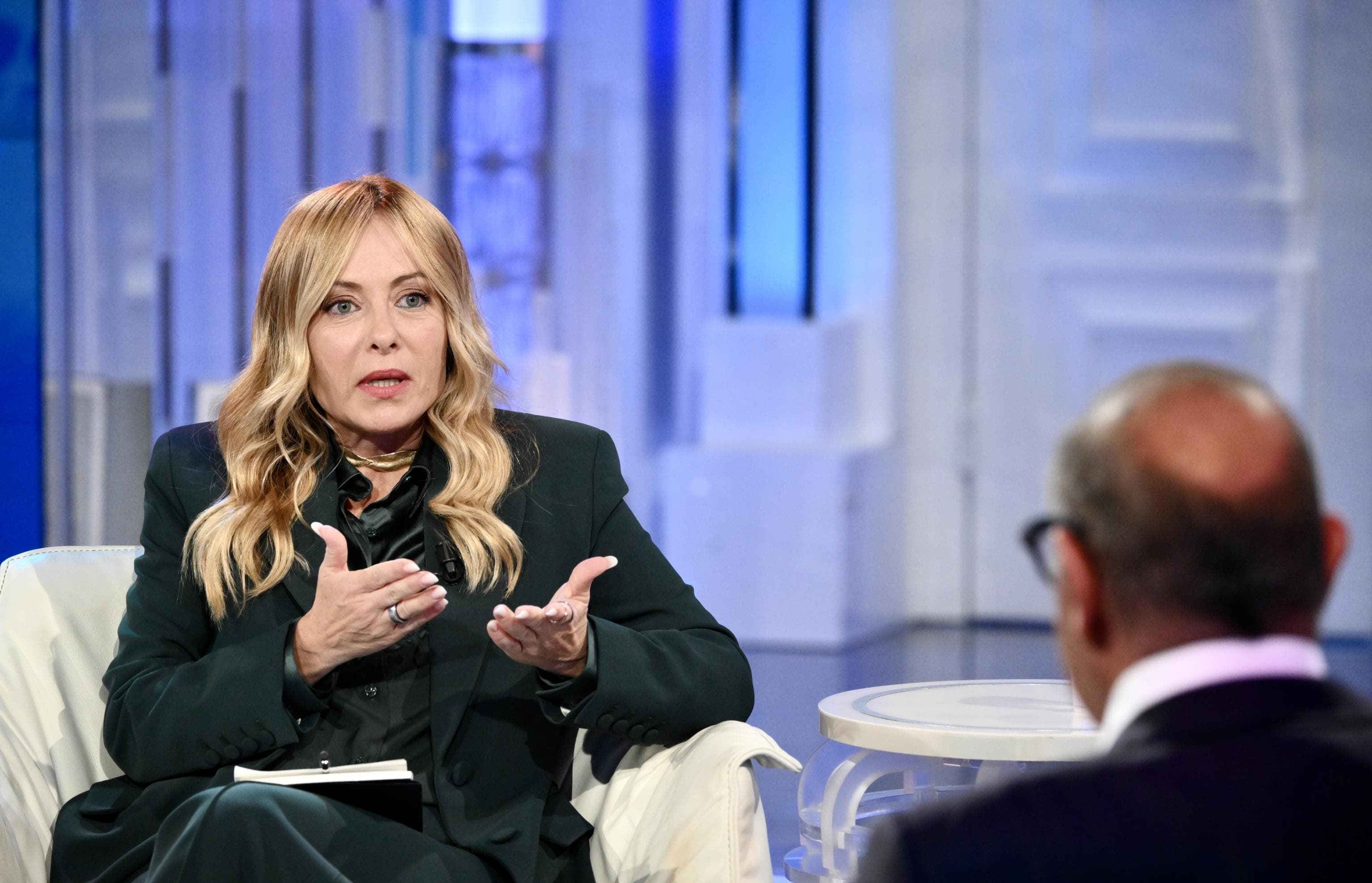
Eni sets a 30-day ceiling
Italy’s governing coalition is debating how far oil companies should be expected to support motorists after Eni announced maximum prices for petrol and diesel across the Enilive filling-station network. From September 28, petrol will cost no more than €1.99 per litre and diesel no more than €2.19 per litre. The measure will initially run for 30 days and may be extended until the end of the year, depending on market conditions and fuel supplies.
La Repubblica reported that Prime Minister Giorgia Meloni expects the initiative to be prolonged and believes other large operators will join Eni. The government’s argument is that competitive pressure should encourage rivals to respond: Eni operates about 4,000 filling stations, representing roughly 20% of Italy’s total network, according to Corriere della Sera. That reach is substantial but leaves most retail fuel sales outside the cap unless competitors introduce similar measures.
Tax relief is being reduced
Eni’s decision comes as the government scales back its temporary support for diesel. According to La Repubblica and Il Fatto Quotidiano, the reduction in excise duty and value-added tax falls from €0.122 to €0.061 per litre and remains at that level until October 5. If taxes rise after that date, Eni’s price ceilings can be adjusted upward accordingly.
Official price data cited by Il Fatto Quotidiano put average self-service diesel at €2.338 per litre on ordinary roads and €2.421 on motorways before the cap. Petrol averaged €2.154 on ordinary roads and €2.247 on motorways. Eni’s ceilings are therefore about €0.17 per litre below prevailing average levels. The difference matters particularly to road hauliers, logistics operators, commuters and businesses with fuel-intensive distribution costs, although the benefit depends on access to an Enilive station.
Coalition parties disagree over compulsion
The initiative has not settled the political dispute over who should finance consumer relief. La Repubblica reported that Matteo Salvini’s League is considering measures that would effectively require companies that do not reduce prices to make a financial contribution. Forza Italia opposes new taxes on windfall profits and presents voluntary corporate action as the preferred approach. Brothers of Italy has also shown caution toward the League’s proposal.
Foreign Minister and Forza Italia leader Antonio Tajani said Eni’s action demonstrated an alternative to interventionist measures and new windfall-profit taxes. The League, by contrast, wants other major energy and oil groups—and potentially banks—to follow Eni’s example or contribute to public support. Economy Minister Giancarlo Giorgetti has supported discussion of a windfall-profit levy coordinated at European level, but Corriere della Sera reported that the European Commission regards such taxation as a matter for individual member states. The immediate market test is whether Eni’s rivals voluntarily match the ceilings. If they do not, the coalition will again face the choice between spending public money, accepting unequal prices across retail networks or imposing costs on companies through taxation or regulation.