Italy’s alternative pasta market reaches €247 million as gluten-free sales rise
Retail sales of wholegrain, legume, spelt, kamut and gluten-free pasta in Italy reached €247 million in 2025. Gluten-free semolina pasta was the fastest-growing segment, with consumption up 5.6% and value up 7.7%.
Alternative pasta becomes a €247 million category
Italy’s market for pasta made with wholegrain semolina, legumes, spelt, kamut, alternative grains and gluten-free ingredients reached a retail value of €247 million in 2025. The figures, calculated by Unione Italiana Food using NielsenIQ data, show how manufacturers are expanding beyond conventional durum wheat semolina while traditional pasta remains central to Italian diets.
Italy consumed 1,730,121 tonnes of pasta in 2025, equivalent to 23.1 kilograms per person, according to Unione Italiana Food figures reported by HorecaNews and Il Messaggero. The scale of the overall market means alternative products remain a niche, but their retail value and growth rates give producers and supermarkets an incentive to broaden their assortments.
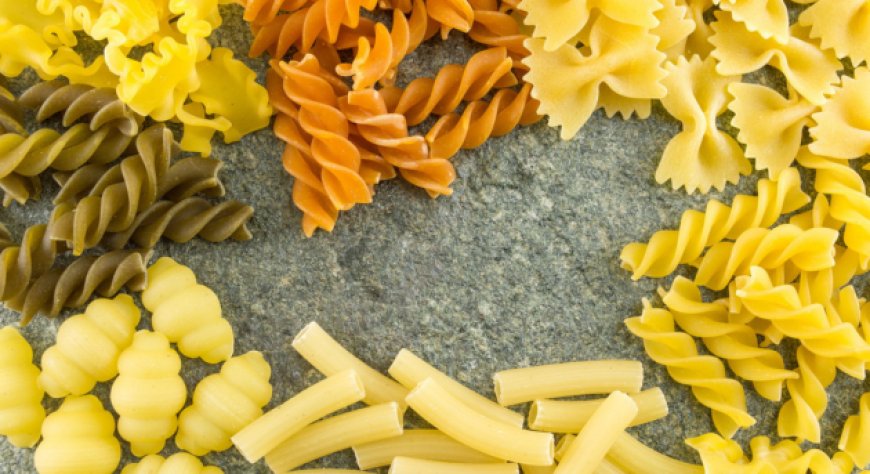
Wholegrain semolina, spelt, kamut and legume pasta accounted for 51,432 tonnes of retail consumption and €122 million in sales. Semolina pasta made from other grains represented another 7,266 tonnes and €27 million. Products now found in Italian retail include chickpea macaroni, lupin penne, spelt fusilli, oat linguine, spirulina spaghetti and buckwheat rigatoni.
Gluten-free products lead growth
Gluten-free semolina pasta recorded the strongest growth within the category. Consumption reached 18,041 tonnes, rising 5.6%, while retail value increased 7.7% to €98 million. The faster increase in value than in volume indicates that sales growth was supported by a higher average value per unit, although the source data do not separate price changes from shifts toward more expensive products.
The category is being shaped by dietary requirements as well as broader demand for products associated with health and nutrition. Pasta made from legumes offers a different protein and fibre profile, while oat and barley products contain beta-glucans. Wholegrain pasta has also moved beyond its earlier status as an emerging product, with HorecaNews reporting that consumption has doubled in recent years.
Consumer expectations support further product development. AstraRicerche and Unione Italiana Food found that more than one in three Italians wants pasta to be versatile and innovative. More than half expect future products to use alternative flours or ingredients and to appear in new formats and environmentally friendly packaging.
Manufacturers commit €500 million to research
Italian pasta producers invest an average of 10% of annual revenue in research and development, equal to €500 million across the industry, according to Unione Italiana Food. Spending is directed toward product quality, food safety, processing technology and the development of recipes enriched with proteins, vitamins or minerals.
Regulation creates a clear distinction between traditional pasta and many alternative products. Presidential Decree 187/2001 reserves the names durum wheat semolina pasta and durum wheat coarse-semolina pasta for products made exclusively from the relevant durum wheat material and water. Wholegrain durum wheat semolina pasta must similarly contain only wholegrain durum wheat semolina and water. Products based on other flours fall outside those specific definitions.
The rules also allow special pasta made with combinations of durum wheat semolina, coarse semolina and wholegrain semolina. Vitamins and minerals may be added when their use complies with EU Regulation 1925/2006. For manufacturers, the regulatory framework makes formulation and product naming important commercial considerations as the assortment expands.
Traditional semolina pasta continues to dominate Italian consumption, but the €247 million alternative segment gives processors and retailers a growing premium category. Gluten-free products currently provide the clearest momentum, while wholegrain, legume and alternative-grain recipes allow suppliers to target nutritional preferences without displacing the country’s established pasta market.