Italy takes hydrogen corridor talks to Algiers as Mattei Plan energy push widens
Italian Environment and Energy Security Minister Gilberto Pichetto Fratin travelled to Algiers for the second Pentaministerial meeting on the Southern Hydrogen Corridor and held a bilateral with Algerian Energy Minister Mourad Adjal. Rome frames the planned North Africa–Europe hydrogen link as part of its Mattei Plan and as a route to 2050 climate neutrality. No volumes, routing or investment figures were disclosed.
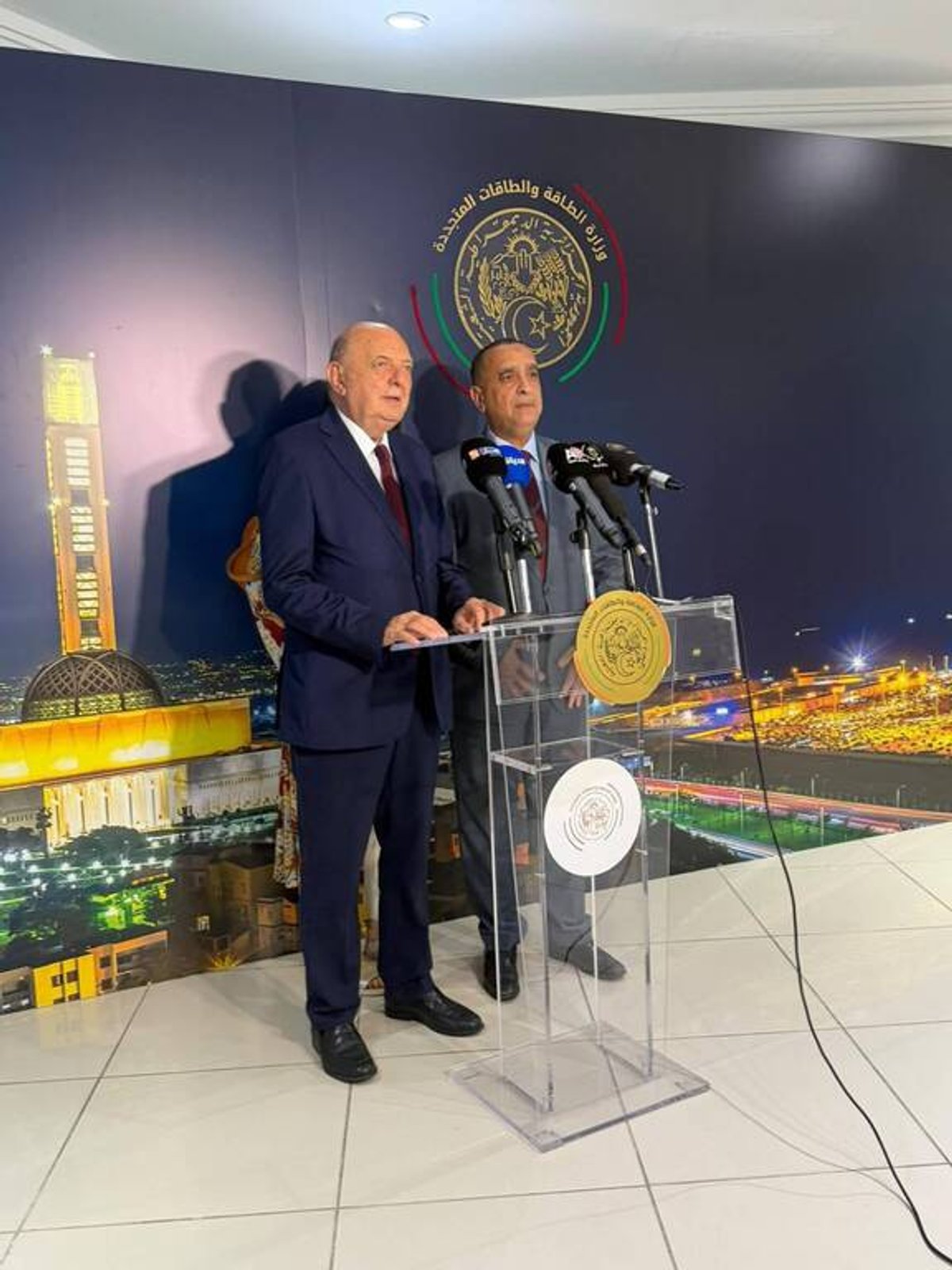
Italy's Minister of the Environment and Energy Security, Gilberto Pichetto Fratin, travelled to Algiers for the second Pentaministerial meeting on the Southern Hydrogen Corridor, held on Thursday 1 October, according to Agenzia Nova. On arrival in the Algerian capital, the minister called hydrogen “one of the fundamental solutions” for Italy to meet its decarbonisation objectives, with climate neutrality by 2050 as the final target, soldionline.it reported.
On the margins of the mission, Pichetto Fratin held a bilateral meeting with Mourad Adjal, Algeria's Minister of Energy and Renewable Energy. According to a note from the Italian ministry (MASE) cited by soldionline.it, the meeting “was an occasion to confirm the excellent relationship established between the two countries in the energy field and to explore new opportunities for collaboration between Italy and Algeria”. The same note said the two ministers reiterated “the possibility of strengthening the interconnections between the two countries” — in energy terms, the physical links that allow power or energy carriers to move between national systems, adding flexibility to supply and integrating separate sources and markets.
What the corridor is meant to carry
The Southern Hydrogen Corridor is an initiative to build a supply chain and connecting infrastructure between producing countries and consuming countries, moving energy in the form of hydrogen or related energy carriers, soldionline.it reported. The declared purpose is to make consumption cleaner, above all in industrial sectors that are difficult to electrify — the segments of demand that cannot be served by renewable electricity alone and that today rely on fossil fuels for high-temperature heat and chemical feedstock.
Speaking with Adjal, Pichetto Fratin said hydrogen “can contribute significantly to increasing the energy security of our countries by diversifying supplies and reducing dependence on fossil fuels”. Energy security, in this framing, is a country's ability to secure adequate and continuous supply; diversification reduces the risk of relying on a small number of sources or delivery channels, while lower dependence on coal, oil and natural gas is also tied to cutting greenhouse gas emissions.
Inside the Mattei Plan
The minister linked the corridor directly to Rome's flagship Africa policy, saying this is “also one of the reasons why the project was included in the Mattei Plan promoted by the Italian government, which is based on a model of opportunity, benefits and shared development”, according to soldionline.it.
That framing places energy cooperation with Algeria, and hydrogen in particular, inside a wider set of initiatives built on reciprocal advantage rather than one-way supply deals. For Italian industry it also signals where the government expects future molecules to come from: the southern Mediterranean, delivered by pipe rather than by ship.
Rome's domestic hydrogen groundwork
Italy is building out supporting policy at home in parallel with the corridor diplomacy. soldionline.it reported that MASE has launched a renewable hydrogen support mechanism worth up to 400 million euros a year for 200,000 tonnes of capacity, with a focus on industry and transport. The same outlet reported the following related developments:
- The European Union has opened infringement proceedings against 26 countries for failure to transpose the gas and hydrogen directive, with Italy the only member state in compliance.
- A new UFi Hydrogen hub was inaugurated in Trentino, which Pichetto Fratin described as a lever for competitiveness, jobs and Italy's euro-Mediterranean centrality.
- The minister has set out a roadmap for the sustainable nuclear bill, with first reactors expected between 2033 and 2034 at the earliest, alongside what he describes as a sharp expansion of renewables under the Meloni government.
Neither source published volumes, capital costs, pipeline routing or a construction timetable for the Southern Hydrogen Corridor, and no commercial agreement was announced in Algiers. For producers, electrolyser suppliers, pipeline operators and prospective industrial off-takers, those are the figures that will determine whether the corridor moves from ministerial communiqués to final investment decisions.