Italy advances producer responsibility rules for textiles
Italy’s Unified Conference has approved an opinion supporting extended producer responsibility rules for textiles. The framework would make manufacturers, first importers, major distributors and online sellers help finance and organize post-consumer collection, reuse and recycling.
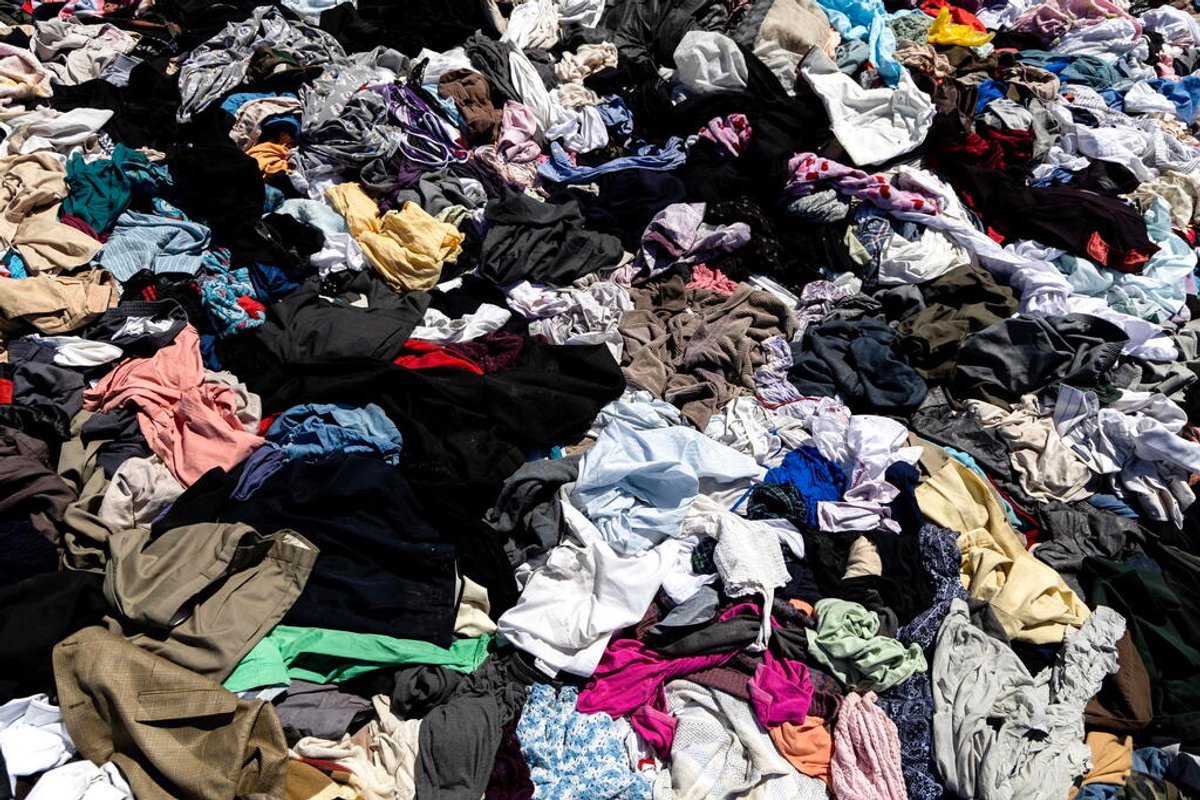
Responsibility will follow products to end of life
Italy has moved closer to introducing an extended producer responsibility regime for textiles after the Unified Conference issued a favorable opinion on the proposed regulation. SoldiOnline reports that the measure forms part of the National Strategy for the Circular Economy and is intended to shift part of the financial and organizational burden of textile waste management from municipalities and the public system to companies benefiting from product sales.
Under the framework, the party that first places a textile product on the Italian market would remain responsible when that product becomes waste. The obligation would cover contributions to recovery, reuse or recycling rather than ending at manufacture or sale. Environment and Energy Security Minister Gilberto Pichetto described the regulation as a long-awaited reform that establishes clearer rules and supports a more efficient and transparent supply chain.
The proposal does not provide implementation dates, contribution rates or collection targets in the source material. Those details will be important for companies assessing compliance costs, but the direction of policy is already clear: end-of-life management is set to become a direct responsibility for businesses supplying Italy’s textile market.
Importers, retailers and e-commerce enter the perimeter
The definition of producer extends beyond textile manufacturers. It also includes major distributors that introduce goods onto the Italian market for the first time, irrespective of where they were made. Clothing, household linen and other textile articles are within the described scope, bringing traditional producers, import-facing distributors and large retail chains under the same principle.
Online commerce is also included. The provision is designed to prevent differences in obligations between physical and digital sales channels as e-commerce assumes a larger role in textile distribution. For foreign suppliers and their Italian commercial partners, the decisive issue will therefore be who first places the goods on the national market, not simply the country of manufacture.
Producers would be required to support and organize post-consumer collection, including separate collection of used clothing and other end-of-life textile articles. The aim is to direct more material toward reuse and recycling while reducing disposal in landfill or through incineration. Producers may meet these duties together through collective systems, often organized as consortia, whose operation would be subject to rules on transparency, effectiveness and fair competition.
Eco-design and traceability reshape product decisions
The regulation also uses eco-design incentives to influence how textiles are made. Products that are more durable, repairable or contain recycled materials would receive favorable treatment. The policy is intended to encourage longer product life, easier repair and lower reliance on virgin resources, linking waste-management obligations with decisions on fibers, construction and material composition.
Traceability is another central element. Textile waste flows would need to be followed from disposal by the consumer through recovery, recycling or final treatment. Better records could give producers and collective systems a clearer view of collected volumes and destinations, while providing authorities with a basis for checking whether end-of-life obligations are being fulfilled.
For textile companies and retailers, the regulation creates operational questions across product design, sourcing, data management and waste contracts. Importers and distributors will need to establish whether they qualify as the first market placer, while online operators cannot assume that a digital sales model leaves them outside the regime. Recyclers, reuse operators and collection consortia could gain a larger role as private financing enters post-consumer management. The favorable opinion advances the framework, but businesses will still need the final rules and implementation details before calculating their full exposure.