Italy begins Adriatic trawling ban as seafood import dependence raises price concerns
Italy will suspend trawling between Trieste and Ancona from July 31 under its 2026 seasonal fishing calendar. The restrictions will spread south and to other Italian waters through October as Coldiretti Pesca warns that import dependence and operating costs are increasing pressure on the industry.
Seasonal closure starts in the northern Adriatic
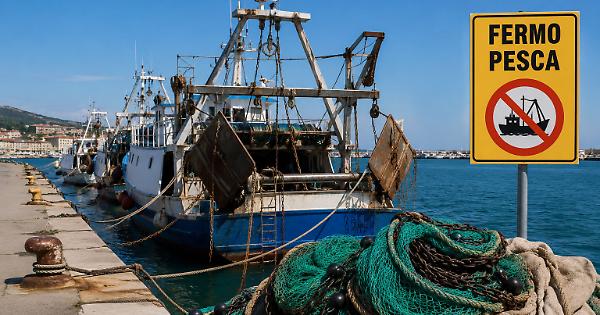
Italy’s 2026 seasonal fishing closure begins on July 31, when trawlers operating between Trieste and Ancona must suspend activity. According to Giornale La Voce, the restriction will remain in force through the end of September and will then be applied progressively to other Italian fishing areas.
From August 16 to September 29, trawling will stop between San Benedetto del Tronto and Bari. From October 1 to 30, the closure will cover the area between Brindisi, San Cataldo and Otranto, together with the Ionian Sea, the Tyrrhenian Sea and the islands. The measure primarily targets vessels using nets dragged along the seabed to catch demersal species. Its purpose is to reduce pressure on marine resources temporarily, allowing stocks to recover and ecosystems to receive a period of relief.
Imports will keep markets supplied
The closure does not remove all Italian seafood from the market. Small-scale coastal fishing, hydraulic dredging and aquaculture can continue, while fleets in areas not yet covered by the timetable remain active until their respective suspension dates. Supplies of some species may nevertheless tighten, increasing the share of imported seafood at wholesalers, fishmongers and restaurants.
Coldiretti Pesca says Italy already imports about 1.1 billion kilograms of fish, while domestic production remains below 130,000 tonnes. The figures use different units but show the scale of the imbalance between foreign supply and national output. Dependence is also high across the European Union: the latest Eumofa report places EU seafood self-sufficiency below 40%, despite a slight improvement, while the value of imports remains among the highest levels recorded.
Costs continue while vessels remain in port
The interruption comes as operators face higher energy costs, climate-related disruption and uncertainty over the future of European fisheries policy. Fishing companies continue to pay for maintenance, crews, insurance and onshore facilities while their vessels are inactive. The mandatory closure is supported through the European Maritime, Fisheries and Aquaculture Fund, but operators frequently report delays and administrative difficulty in obtaining compensation.
Industry organizations are also watching negotiations over the EU’s 2028-2034 multiannual financial framework. The European Commission has proposed placing support for the Common Fisheries Policy inside a broader fund for national and regional partnerships. Some fishing groups fear that dedicated resources could become less visible and be forced to compete with other sectors. The European Economic and Social Committee has called for at least €6.1 billion to implement the policy.
Origin labels become more important
For fresh seafood, sellers must display the catch area, production method and fishing gear. Mediterranean catches carry the designation FAO Area 37 and a number identifying the relevant subarea, but this indicates where the fish was caught rather than the nationality of the vessel. Farmed seafood must identify the country where it was raised.
During the closure, supplies can still include anchovy, sardine, mackerel, horse mackerel, amberjack, mullet, red mullet, gurnard and scorpionfish, as well as seasonal cuttlefish, squid and octopus. For producers and traders, the immediate issue is how reduced trawler landings affect availability and prices. Over the longer term, warmer waters are changing species distribution, while extreme weather and sudden storms add operational risk. The closure can protect stocks for a limited period, but Giornale La Voce notes that the sector also requires action against illegal fishing, fleet investment and stronger support for small-scale operators.