Italian wine producers face climate pressure, new vineyards, tariffs and weaker demand
Italy’s wine sector is confronting lower yields, exceptionally early harvesting, trade uncertainty and changing consumption. Legacoop Agroalimentare is seeking a temporary pause in new vineyard authorizations, stronger liquidity support and investment in irrigation infrastructure.
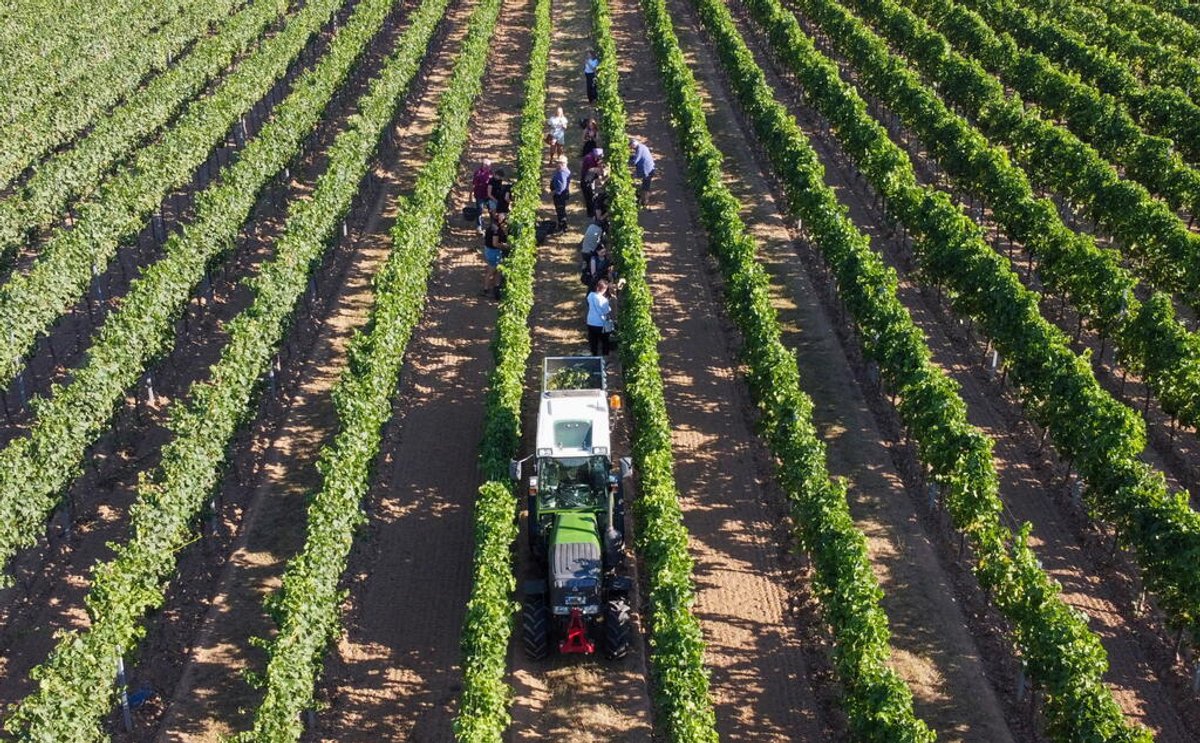
Italian wine industry faces pressure on several fronts
Italy’s wine industry is being squeezed by climate disruption, uncertainty in international markets and changing consumer habits, according to Legacoop Agroalimentare. The cooperative association says these pressures are reinforcing one another, threatening producer margins and the stability of a sector central to Italy’s food and beverage economy.
The warning comes as the Italian government resumes planning an institutional advertising campaign intended to promote wine as a national product at home and abroad. Cristian Maretti, president of Legacoop Agroalimentare, acknowledged the value of promotion but said it would not be sufficient without measures addressing production, infrastructure and financing.
Lower yields and earlier harvests
Climate change is already reducing vineyard yields and affecting product quality, Maretti said. Grapes have also been harvested earlier than previously observed as higher temperatures accelerate ripening. That change alters growers’ work schedules and can influence the characteristics of the finished wine.
Hillside vineyards are particularly exposed. These areas often produce higher-value wines but naturally deliver lower yields, leaving growers with less room to absorb further production losses. Legacoop is calling for targeted measures in these locations, including stronger irrigation networks to manage water during increasingly frequent droughts and heatwaves.
New planting raises oversupply risk
At the same time, Italy’s current authorization system permits the planting of almost 7,000 hectares of new vineyards each year. Legacoop’s wine coordination body has requested a temporary suspension of that pace, arguing that additional capacity could deepen the imbalance between production and the market’s ability to absorb wine.
The concern is not simply the size of Italy’s vineyard area. New capacity is arriving while demand, prices and consumption patterns are uncertain. If sales fail to keep pace with supply, greater volumes could put further pressure on prices and margins, particularly for cooperatives that aggregate grapes from multiple growers and handle processing and commercialization.
Tariffs and consumption complicate export planning
Italian wine is sold across numerous foreign markets, making producers vulnerable to tariffs, geopolitical tensions and volatile logistics costs. Import duties can weaken price competitiveness, while political disruption can slow trade or reduce demand in individual destinations. Legacoop did not provide figures for the potential effect on exports but identified international uncertainty as one component of the industry’s broader strain.
Domestic and foreign consumption is also changing in response to prices, household income and greater attention to health, sustainability and lifestyle. Producers may therefore need to adjust products, positioning and production decisions rather than relying only on advertising to support established categories.
Cooperatives seek liquidity and investment support
Legacoop is asking for stronger liquidity instruments for wine cooperatives, which must meet cash requirements even when revenue falls or markets become volatile. It also wants broader action on climate-risk management and infrastructure investment. These measures would help producers finance adaptation while limiting the damage from weak harvests or unstable sales.
The central policy question is how to align vineyard capacity with slower and less predictable demand. Promotion may support the image of Italian wine, but it cannot by itself offset lower yields, water constraints, tariffs or excess supply. For growers, processors and exporters, decisions on planting authorizations, irrigation and financing will determine how much of the adjustment is absorbed through investment and how much appears as pressure on prices and margins.