Italian Table Grapes Face Lower Prices, Extreme Heat and Longer Foreign Competition
Italy’s table grape sector is contending with weaker prices, stagnant demand and overlapping supply from Egypt, Greece and Spain. Heavy planting of seedless varieties, extreme heat and elevated energy costs could concentrate Italian volumes in October and November.
Foreign supply narrows Italy’s market window
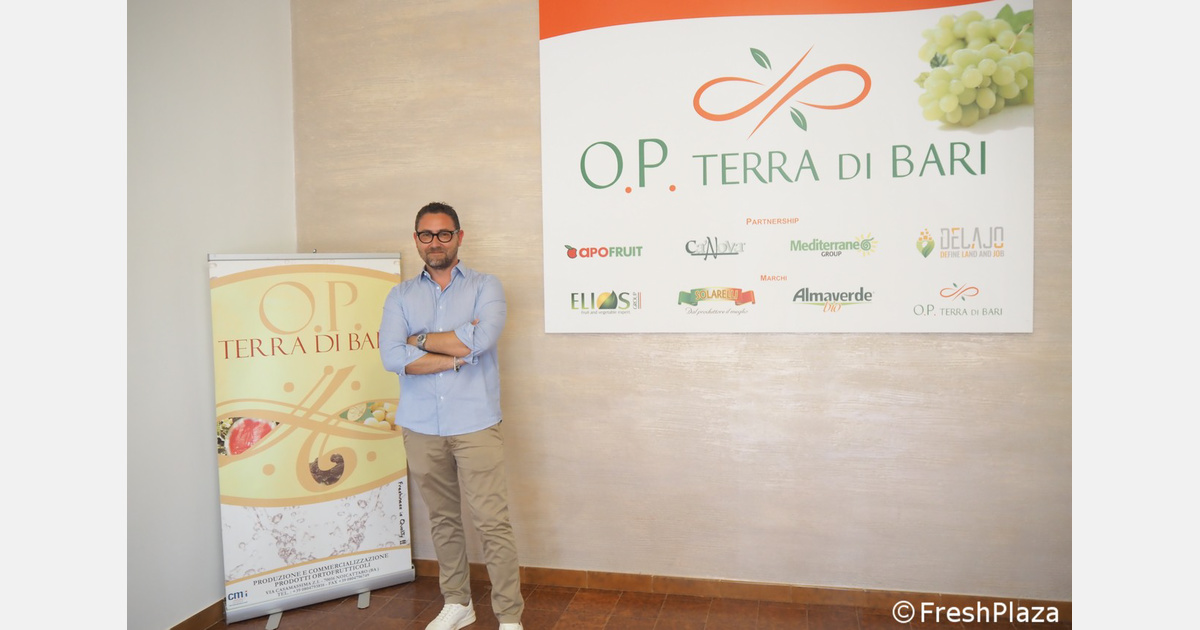
Italy’s table grape industry, particularly in Puglia, is entering a difficult phase as weak demand, lower prices and prolonged foreign competition reduce the market space available to domestic growers. FreshPlaza reports that selling prices are significantly below last year’s level, while the demand recovery expected after Ferragosto did not materialize. Francesco Ciavarella, general director of the Terra di Bari producer organization, expects this stagnation could continue at least until the end of September.
Egyptian grapes remained on the European market unusually late, extending into August and overlapping with the opening of Spain’s campaign, according to Ciavarella. Egypt and Greece covered much of July and August, while Spanish suppliers have lengthened a season that previously ended within the first ten days of September. Ciavarella describes Spain as the main price setter in European markets, forcing Italian suppliers to align with Spanish prices to remain competitive. The result is a narrower Italian sales window and a greater concentration of commercial activity in October and November.
Seedless conversion creates concentrated supply
Italian growers have responded to changing consumer preferences through a broad shift toward seedless grapes. More than 70% of the production area has completed this conversion, according to FreshPlaza. Autumncrisp has strong consumer appeal, but extensive planting has eliminated much of the variety’s former exclusivity and is reducing the value of other grapes harvested during the same period. Abundant availability therefore presents a commercial challenge even for varieties that remain popular with shoppers.
Extreme summer heat is adding to the pressure. High temperatures prevented the day-to-night temperature variation needed for red grapes to develop color, delaying maturation. This could push excessive volumes into the period between late September and October and disrupt the usual sequencing of harvesting and packing. Growers and packers may have to handle a larger volume over a shorter period, just as demand remains subdued and competing origins continue to supply European buyers.
Energy and irrigation costs squeeze growers
Production economics have also deteriorated. Ciavarella says electricity prices per kilowatt-hour have almost doubled from last year, with energy in Spain costing about half as much as in Italy. The disparity is particularly important for irrigation. Intense heat has increased the crop’s water requirement, leaving growers little scope to cut electricity consumption without jeopardizing production.
Producers are receiving between €0.60 and €0.70 per kilogram, a level Ciavarella says remains below actual production costs and threatens farm viability. Lower selling prices therefore coincide with higher spending on water and energy. Maintaining facilities and labor for a commercial window increasingly concentrated in October and November adds another operational difficulty, especially for businesses that cannot spread fixed costs over a longer season.
Fragmented sales weaken bargaining power
Ciavarella argues that Italy’s problem is not grape quality but the organization of supply. Spanish producers agree volumes and prices with European large-scale retailers well before the season begins and cover the full varietal calendar. Italian production remains divided among numerous agencies and operators, creating the impression that suppliers must sell quickly and allowing buyers to select the lowest offer.
Producer organizations and associations of producer organizations already exist, but Ciavarella says coordination of sales volumes remains inadequate. A common commercial strategy could improve negotiations with large retailers and reduce internal price competition. Without stronger coordination, Italian grapes risk being pushed further toward the end of the European season, when concentrated domestic supply, delayed red varieties and continued competition leave growers with limited room to recover higher costs.