Italian Potato Exchange Signals Price Rises as Heat and Drought Cut European Supply
The Bologna Potato Exchange expects price adjustments for premium and packaged supply-chain potatoes from its next sessions. Teatro Naturale reports that heat, drought and reduced planting could lower average European production by 15%-20%.
European potato availability falls
Italy’s potato market is preparing for higher prices as extreme heat, prolonged drought and rising production costs restrict supplies across Europe. The Joint Commission of the Bologna Potato Exchange expects adjustments for premium potatoes and packaged potatoes sold through controlled supply chains from the exchange’s next trading sessions, according to Teatro Naturale.
The commission met in Bologna on Friday, 28 August, ahead of the full potato marketing campaign scheduled to begin in September. Its initial assessment identified a sharp reduction in availability, affecting Italy as well as major northern European producers including France, Belgium, Germany, the Netherlands and the United Kingdom.
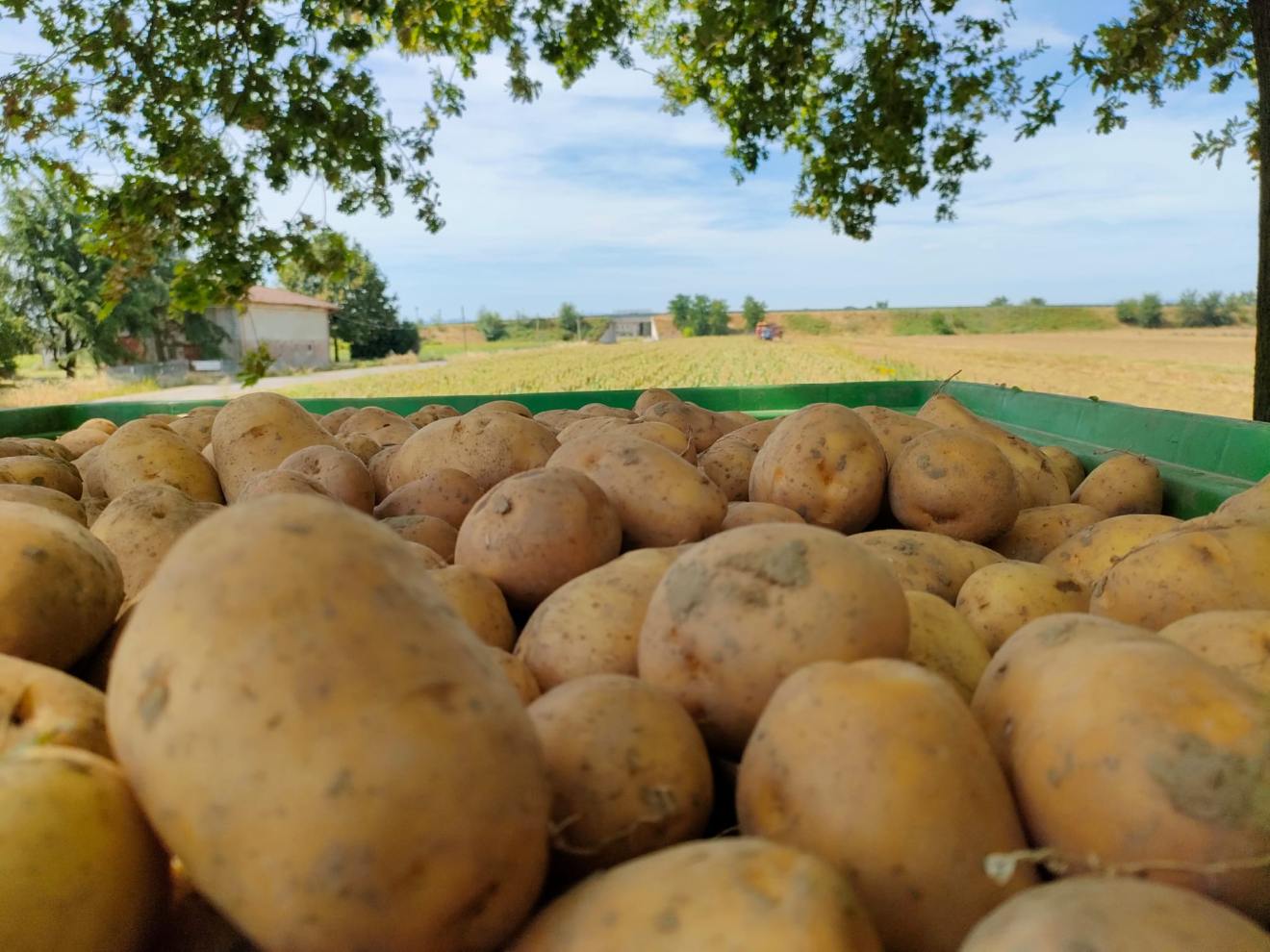
Temperatures above 35-40°C and persistent dry conditions disrupted crop development. The result is not only lower output but also smaller tubers, which can reduce the volume suitable for premium retail specifications and increase the amount of sorting required before sale.
Output may decline by as much as 20%
Early estimates cited by Teatro Naturale put the decline in average European potato production at between 15% and 20%. The weather impact has been compounded by a reduction in planted area estimated at about 11% across Europe. Together, these factors point to a tighter balance as the main commercial season begins.
The shortage is already influencing cross-border transactions. Prices in trades between individual European countries are described as unusually high for this stage of the season. Pressure across several producing countries at the same time may limit the ability of buyers to replace missing domestic volumes with supplies from nearby markets.
Smaller tuber sizes could create an uneven effect across the value chain. Growers may have less marketable volume, while packers must perform more careful selection to meet product specifications. Buyers of premium and packaged potatoes are therefore exposed both to reduced crop availability and to higher preparation costs.
Fuel, fertilizer and refrigeration add pressure
Italian farmers have also faced higher production costs in 2026, particularly for fuel and fertilizer. Post-harvest expenses have increased as well. The commission highlighted energy used to refrigerate potatoes, packaging and more intensive sorting, alongside higher transport costs.
The Bologna Potato Exchange has not published a specific price increase or target quotation. Its commission nevertheless expects price adjustments to become necessary from the next sessions for premium and packaged supply-chain potatoes. The scale of any increase will depend on the volumes reaching the market, quality distribution and buyers’ ability to secure alternative European supply.
For producers, higher quotations could partly offset reduced yields and elevated input costs, but they do not guarantee better margins. Packers and distributors face a combination of scarcer raw material, smaller tubers and more expensive storage and logistics. Retail and food-service buyers will be watching whether the initial wholesale pressure persists after the September campaign reaches full pace.