Italian olive oil prices halve under African and Spanish competition
Italian extra virgin olive oil prices fell 50% in a year to no more than 4.80 euros per litre, while mills held 221,000 tonnes of unsold stock at the end of May, panorama.it reports. Tariff-free Tunisian imports, intensive Spanish output and unclear EU labelling are eroding 'Made in Italy' oil, with 200,000 hectares of groves abandoned and 20% of production capacity at risk.
Italian extra virgin olive oil under pressure as prices halve
Italy's extra virgin olive oil sector is facing one of its sharpest crises in years, with farm-gate prices cut in half and mills struggling to sell their stock, according to panorama.it. The Italian magazine reports that a combination of tariff-free imports from Tunisia, intensive Spanish production and unclear EU labelling rules is eroding the competitiveness of Made in Italy oil just weeks before the new harvest.
Citing a study by the agricultural think tank Divulga, panorama.it reports that the price of the product collapsed by 50% over the past year, falling from about 9 euros per litre to current quotations no higher than 4.80 euros. At the same time, costs borne by Italian producers rose by more than 200 euros per hectare.
Production capacity in retreat
The structural weakening of Italian output is significant. Panorama.it reports that 200,000 hectares of olive groves have been abandoned and a further 300,000 are being decommissioned, equal to roughly 20% of the country's potential production capacity. The Xylella bacterium has compounded the damage, killing 22 million olive trees in Puglia, close to 40% of the capacity of Italy's main producing region.
The trade balance underlines the gap. According to figures from Unaprol, the national olive-growing consortium, Italy produces around 234 million litres of extra virgin olive oil against internal consumption of 461 million litres, exports of 318 million litres and imports of 545 million litres a year. Data from Ismea, the agriculture ministry's market agency, put total olive oil consumption at 750,000 tonnes worth about 3 billion euros. At the end of May, Italian mills held a stock of 221,000 tonnes of extra virgin oil, about half of it of Italian origin.
Tunisia, Spain and the price war
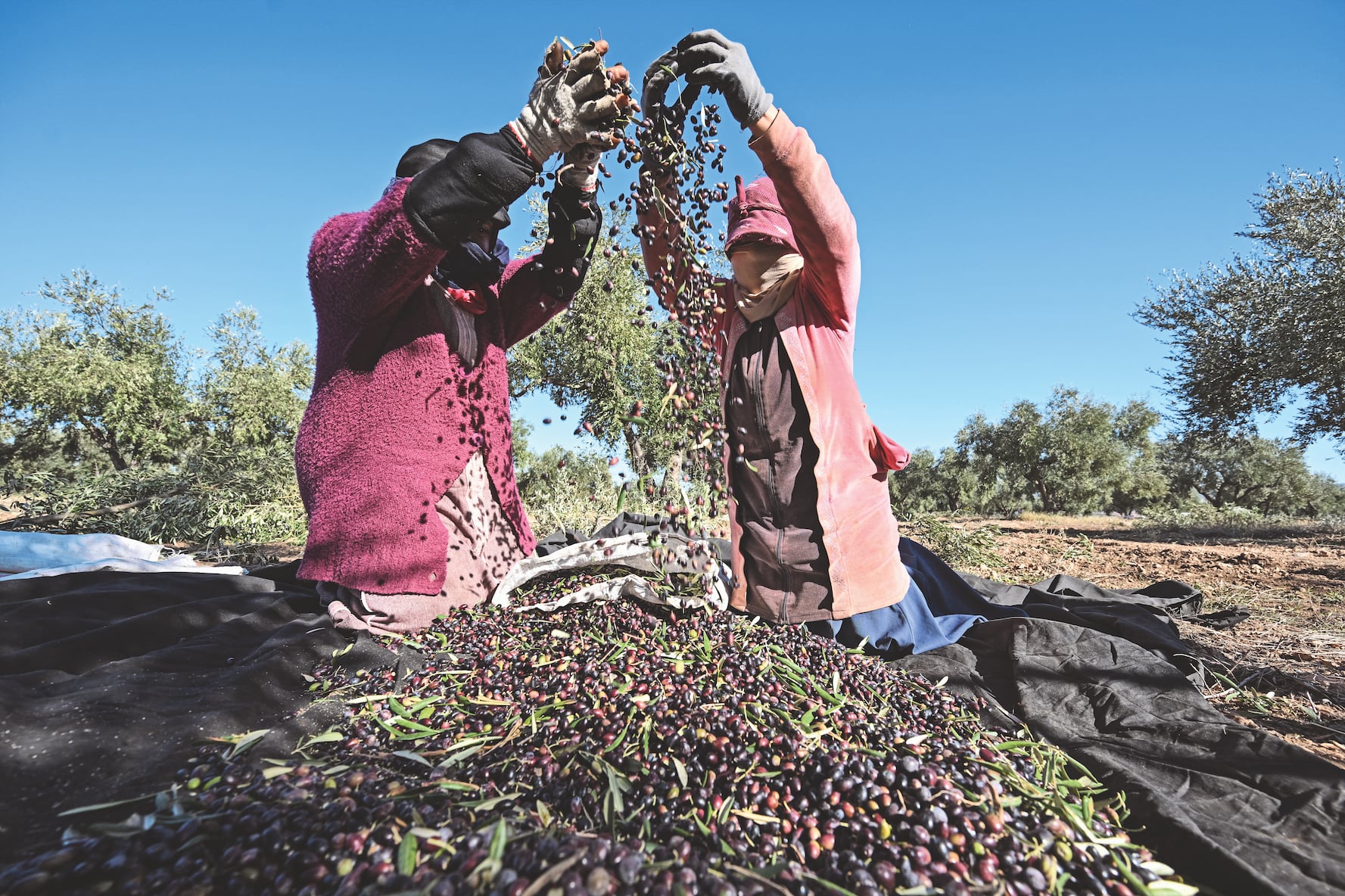
Tariff-free imports are central to the dispute. Panorama.it reports that the EU has committed to importing up to 100,000 tonnes of Tunisian oil without duty, with European Commission President Ursula von der Leyen having encouraged Tunis to raise output. Cost differences are stark: an olive picker in Tunisia is paid 5 dollars a day, and production costs in Africa do not exceed 1.80 euros per litre against a minimum of 9 euros in Italy. Italy is Tunisia's leading customer, buying about 67,000 tonnes of the country's 260,000 tonnes of total exports.
Spain's large groups increasingly set the terms of trade. According to panorama.it, Deoleo, the world's largest bottler, reports 2 billion euros in revenue, Magasa exceeds 2 billion, Acesur 1.4 billion and Borges 1.3 billion, while Italy's top twenty domestic brands together fall short of 2 billion. Spanish producers are under strain too: the Declaration of Adamuz, signed by Spanish olive-growing municipalities, states that with an average price of 3.51 euros per kilo more than 75% of Spain's olive surface is operating at a loss.
Labelling and fraud
Italian farm groups link the price collapse to imports and adulteration. Coldiretti and Unaprol have launched a national mobilisation from Puglia against what they call an invasion of foreign oil and a push toward counterfeiting. David Granieri, vice-president of Coldiretti and president of Unaprol, cites the blending of extra virgin oil with thermally treated by-products and Spanish triangulation of foreign oils that end up labelled as EU or Italian. Oils sold as extra virgin appear on shelves below 5 euros per litre, whereas panorama.it notes the production cost of genuine Italian extra virgin cannot fall below 11 euros.