Italian olive oil mills warn unsold stocks could disrupt the next harvest
Italian olive oil mills are seeking government intervention as unsold oil fills storage and restricts working capital before the next campaign. Industry associations warn that processors may have to refuse new olives unless authorities support stock clearance, credit lines and liquidity.
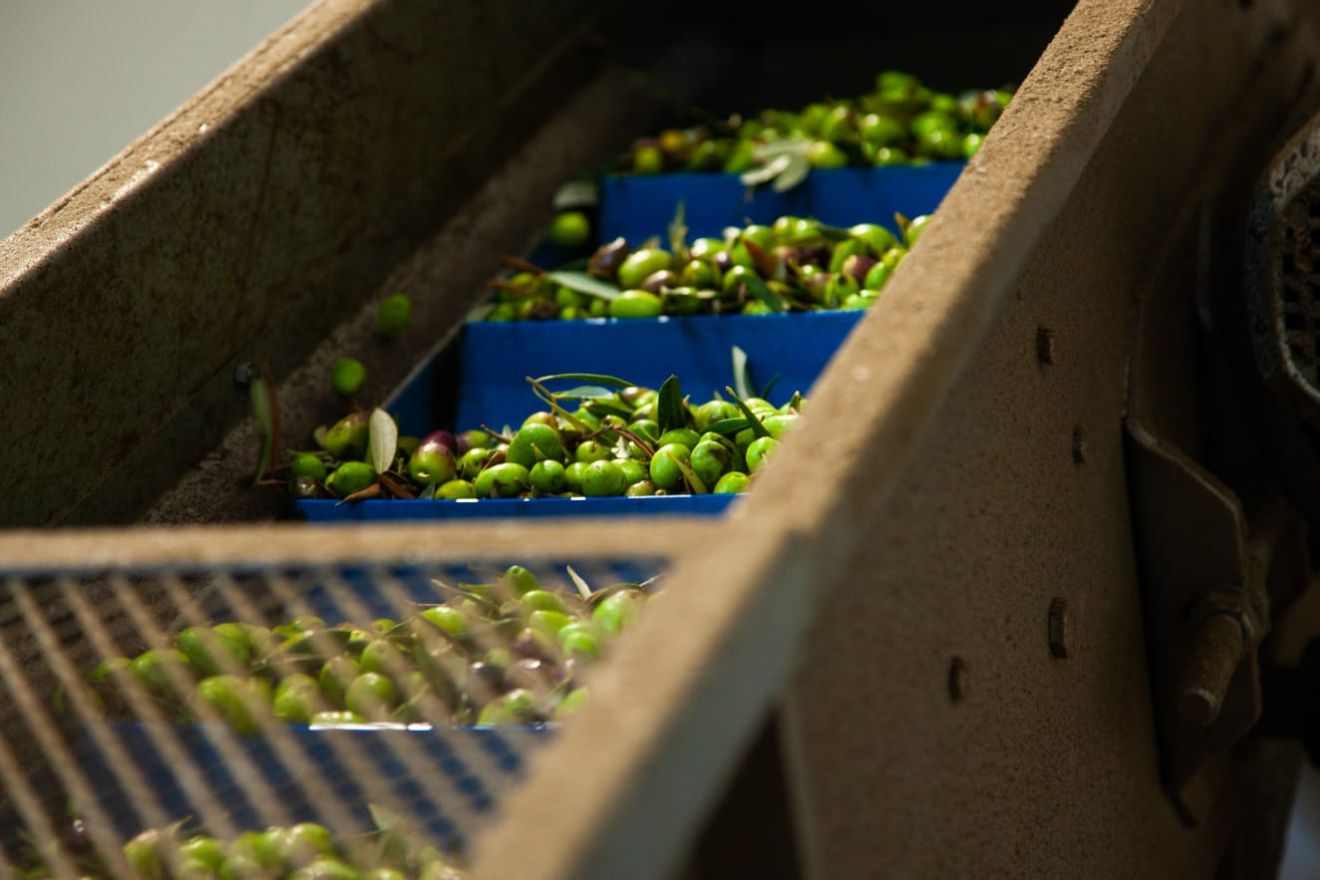
Unsold oil fills storage before the new campaign
Italian olive oil processors have warned that warehouses remain saturated with oil from the previous campaign only weeks before new olives are due to arrive. Teatro Naturale reports that the resulting shortage of storage space and working capital could force mills to restrict or stop accepting fruit, leaving growers without a route to process their harvest.
The warning comes in a joint document signed by national and regional milling associations including AIFO, FOA Italia, ASSOFRANTOI, CNA Agroalimentare and Confartigianato Frantoi, alongside representatives from Sicily, Calabria and Puglia. The groups are asking the Ministry of Agriculture, Food Sovereignty and Forestry to convene an immediate crisis meeting with the minister and the relevant regional officials.
The associations say unsold oil has tied up funds that mills need to pay olive growers. Under Article 4 of Legislative Decree No. 198/2021, processors must pay for perishable agricultural products, including olives, within 30 days. Mills with depleted cash reserves and heavily used credit facilities may be unable to meet that deadline while also financing the next campaign.
Price decline traps processors between losses and storage costs
According to Teatro Naturale, processors bought raw material at exceptionally high prices early in the previous campaign, when wholesale oil reached peaks of €9-10 per kilogram and averaged about €7-8. The market subsequently fell well below those initial purchasing costs, leaving mills with inventory that cannot be sold without substantial losses.
Holding the oil has not resolved the problem. It preserves the possibility of a later price recovery but keeps capital frozen and adds storage expenses. Selling releases space and cash but crystallizes the difference between the earlier acquisition cost and the lower market price. The pressure affects otherwise viable mills as well as companies already experiencing financial difficulty.
Operating expenses have compounded the squeeze. The source reports sharp increases in electricity costs for mechanical extraction, higher logistics and transport tariffs, and growing charges for handling pomace and vegetation water. Mills also cite uncertainty over the agro-energy use of two-phase pomace, limiting their ability to manage a costly processing by-product.
Associations seek a place in government talks
The ministry convened an olive oil sector meeting on 14 July 2026, but invited agricultural organisations and cooperatives rather than independent millers, according to Teatro Naturale. The milling associations called their exclusion a serious strategic error because processors physically transform, store and market the oil. They say regional authorities have also left the category out of consultations concerning forthcoming operational funding calls.
The mills are requesting measures to clear existing stocks, refinance credit facilities and support short-term liquidity. Without action before the new campaign, their associations warn that even financially sound processors may refuse olives to preserve cash and storage capacity. That would transfer the pressure upstream to growers and could interrupt processing across Italy’s olive oil supply chain.