Italian-backed Egypt project proposes $278 million bioethanol plant using sugar waste
Egypt is evaluating a proposed $278 million second-generation bioethanol project backed by Italian companies Proger and Drexel. The plant would process sugarcane bagasse and direct a large share of its output to European markets, but it remains in the study and testing phase.
Italian companies advance proposal with Egypt
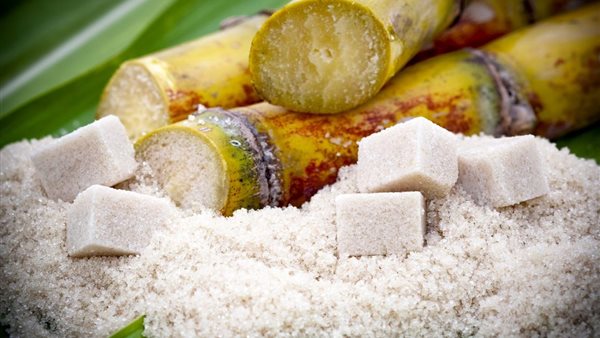
Egypt is considering a proposed second-generation bioethanol project requiring an estimated investment of $278 million, according to Banker. The project would use bagasse, the fibrous residue left after sugarcane is processed for sugar, as its principal feedstock. A large share of the resulting bioethanol is intended for European markets.
Minister of Investment and Foreign Trade Mohamed Farid discussed the latest developments with representatives of the Italian companies Proger and Drexel. The talks place the proposal within Egypt’s investment and foreign-trade agenda, but the available information does not indicate that a final investment decision or construction contract has been completed.
The project remains in the study and trial stage. Samples of Egyptian bagasse have already been tested, while the feasibility study is being updated before the parties move toward implementation. No production capacity, construction timetable, plant location or expected commissioning date has been disclosed.
Bagasse would become an industrial feedstock
The proposal is based on converting an existing sugar-industry residue into second-generation ethanol rather than relying on a primary food crop as the direct feedstock. Bagasse is generated during the processing of sugarcane, giving the project a potential domestic raw-material base linked to Egypt’s established sugar operations.
For sugar producers and processors, the commercial question is whether the proposed plant can create a reliable additional market for bagasse. Its value will depend on the volume and specifications required by the plant, procurement arrangements and the economics confirmed by the updated feasibility study. None of those commercial terms has yet been published.
The second-generation process is central to the proposal because it seeks to extract fuel value from fibrous material that remains after sugar production. Successful implementation would connect sugar processing, waste utilization and fuel manufacturing in one supply chain. It could also require consistent collection, handling and delivery of bagasse, although the developers have not released details of their intended logistics model.
European sales underpin the export case
The plan to send a large portion of production to Europe gives the project a clear export orientation. For Egypt, this would turn a locally available residue into a higher-value processed product capable of generating foreign-currency revenue. For European buyers, the project would represent a potential additional source of second-generation bioethanol, subject to the plant meeting the relevant commercial and market-access requirements.
Egypt’s Ministry of Investment and Foreign Trade has described projects of this kind as a priority because they use local resources, convert waste into valuable products, support exports and create employment. The immediate test, however, is the revised feasibility study. Until investment, capacity and timing are confirmed, the $278 million development remains a proposed industrial project rather than an assured source of European bioethanol supply.