Italian boatbuilders face tariffs and resin inflation as Genoa show shifts to October
Italy’s recreational boating industry is entering a third difficult season as geopolitical risks, US tariffs and rising input costs pressure smaller manufacturers. Large yachts, charter activity and nautical tourism remain stronger, while the Genoa International Boat Show is moving to 1-6 October to attract more shipyards and larger vessels.
Smaller manufacturers bear the pressure
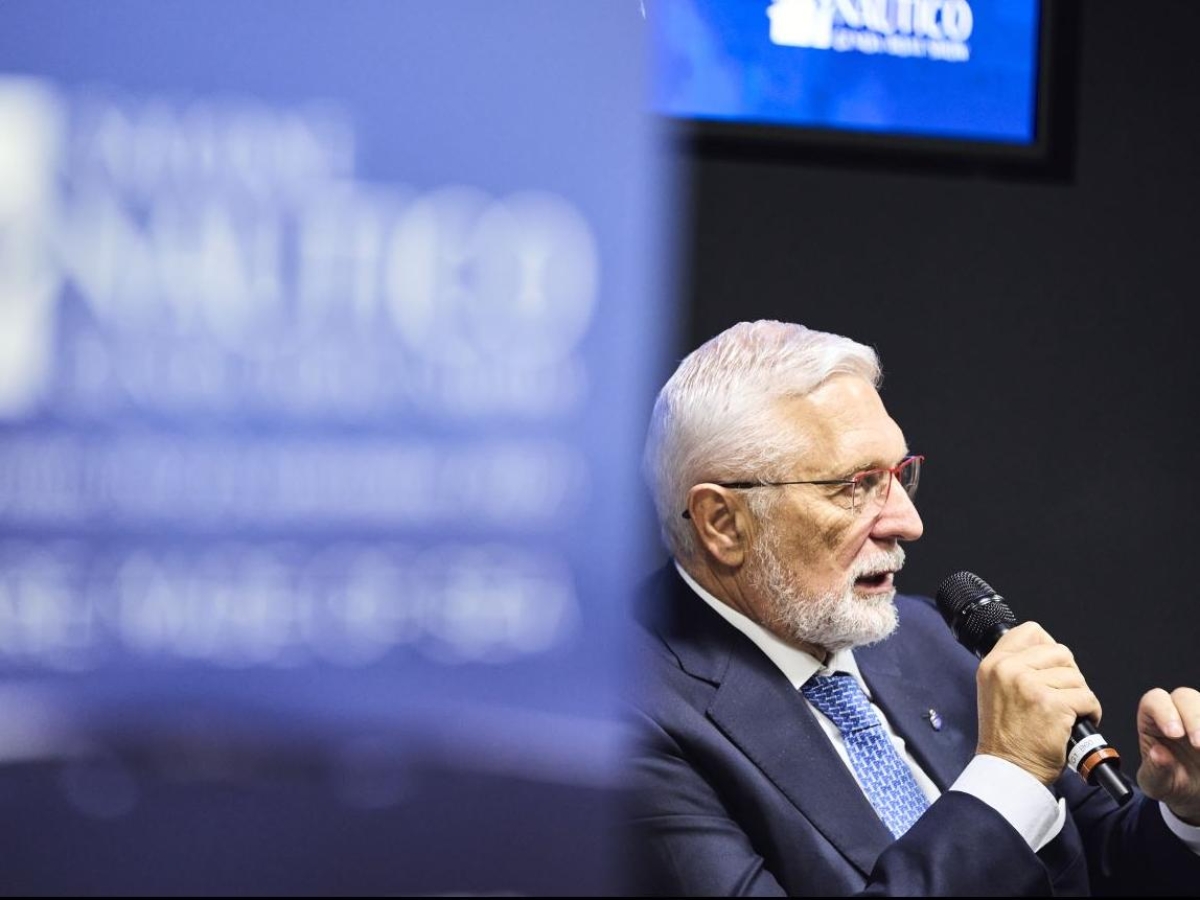
Italy’s recreational boating industry is contending with a prolonged downturn as geopolitical instability, uncertainty over US tariffs and higher production costs weigh on business and consumer confidence. Piero Formenti, president of industry association Confindustria Nautica, told Corriere della Sera that the crisis has lasted three seasons, an unusually long period in his experience in the sector since 1979.
The market showed signs of recovery at the beginning of the year, according to Formenti, but renewed instability linked to the wars in Ukraine and the Middle East weakened the outlook. The impact is particularly visible among small and medium-sized marine manufacturers. Large yachts are performing better, demonstrating the uneven effect of the downturn across the industry.
Tariff uncertainty adds another obstacle for Italian builders serving international markets. Formenti identified changes and threatened changes in US trade policy as a factor affecting confidence. Manufacturers must also absorb persistent increases in raw-material and component prices, which compress margins and make it harder to keep price lists both stable and competitive.
Resin prices rise as companies defend margins
Resin, a key input for composite boat construction, has increased in price by 10% in three months, Formenti said. He linked the renewed rise in raw-material costs to the Middle East conflict and the closure of the Strait of Hormuz, which have increased insecurity during a period of contracting demand.
The combination poses a difficult choice for boatbuilders. Passing costs to customers risks weakening orders, while holding prices reduces margins. Formenti nevertheless said Italian companies continue to withstand the downturn and invest heavily in their products, which he described as evidence of the industry’s underlying health and ability to respond.
The war in Ukraine has also affected demand beyond the largest-yacht category. Formenti argued that an end to the conflict could reopen the market to Russian and Ukrainian capital, as well as demand from the wider region. No forecast for such a recovery was provided.
Tourism and charter provide a stronger channel
Nautical tourism and charter are performing more positively, with favorable trends in bookings and visitor numbers, according to Corriere della Sera. The association sees charter demand as a possible route to future private boat ownership. Restrictions imposed by France, including anchoring limits along parts of its coast, are also making Italian destinations more attractive and increasing the presence of recreational vessels in Italy.
The sector’s relationship with the Italian government has improved after earlier rules introduced under Mario Monti’s administration encouraged boats to move toward France or Croatia. Formenti said political institutions now have a better understanding of boating’s contribution to employment, gross domestic product and the international standing of Italian manufacturing.
Genoa show targets shipyards and international business
The Genoa International Boat Show will take place from 1 to 6 October, moving from September to avoid being squeezed between the Cannes and Monaco shows. Confindustria Nautica expects the later dates to allow major shipyards to participate more extensively and bring larger boats. Dealers from southern Italy should also benefit because many remain busy in September.
The redesigned waterfront and the newly operational Palasport will expand the event’s services. The facility includes 74 open commercial businesses and an entire floor for food and beverage operations. Its sports arena will host activities connecting boating with innovation, maritime culture, institutions and training. The show will also strengthen programs covering international business, sustainability and design, positioning Genoa as a commercial test of whether resilient high-end demand and marine tourism can support a broader industry recovery.