Isar Aerospace reports successful Spectrum launch, strengthening Europe’s independent space access
German company Isar Aerospace has successfully launched its Spectrum vehicle, according to MeteoWeb. The milestone supports Europe’s effort to develop independent commercial launch capacity, although the supplied report provides no payload, flight profile or production figures.
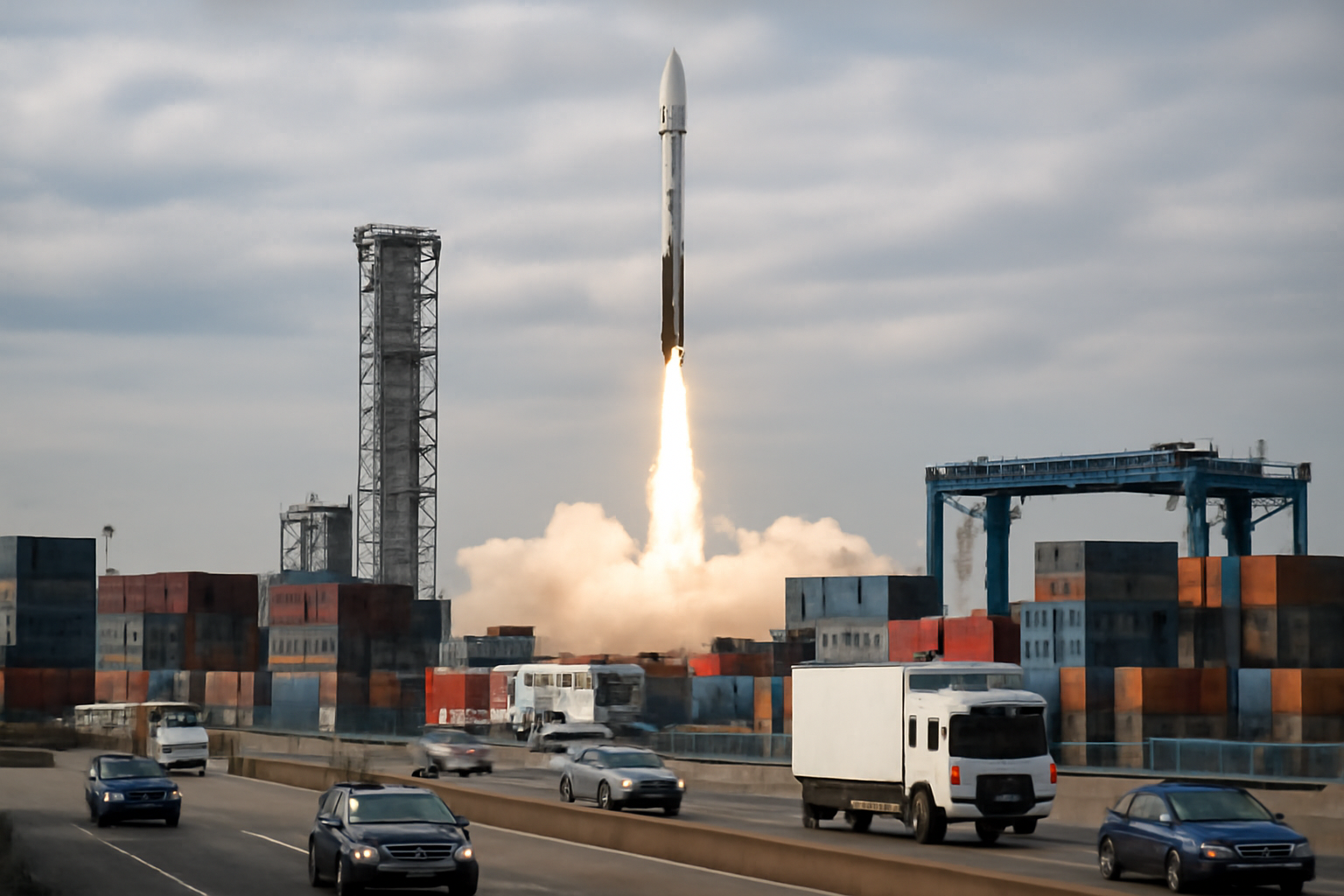
Spectrum completes reported successful launch
German space company Isar Aerospace has successfully launched its Spectrum launch vehicle, according to Italian publication MeteoWeb. The report described the event as a major advance for Europe’s independent access to space and said liftoff occurred at 22:12 Italian time. The supplied material did not include a calendar date, launch site, payload, mission profile or technical results.
The launch gives Isar Aerospace an important demonstration of its core product: a European-developed vehicle intended to carry payloads into space. For customers, investors and suppliers, a successful flight is a necessary step toward a functioning commercial launch service. It does not by itself establish launch frequency, reliability or economic competitiveness, which require repeated missions and disclosed operating data.
Europe seeks more control over launch capacity
Independent launch access matters to European satellite operators because launch availability determines when spacecraft can enter service. Limited domestic capacity can require operators to compete for missions offered by non-European providers. A European commercial vehicle can widen the available supplier base and potentially give customers another option for mission scheduling, technical integration and procurement.
The strategic effect will depend on whether Isar Aerospace can convert the reported success into a regular programme. Commercial customers assess launch providers on reliability, price, payload compatibility, insurance requirements and schedule certainty. None of those commercial indicators was provided in the supplied report, so the launch should be viewed as evidence of technical progress rather than proof of a mature service.
Supply-chain implications extend beyond the launch
A sustained Spectrum programme would affect a wider aerospace manufacturing chain. Launch vehicles require propulsion systems, structures, electronics, software, testing equipment and specialised ground infrastructure. Suppliers benefit most when missions move from individual demonstrations to repeat production, because stable orders support investment in tooling, skilled labour and quality-control systems.
The same distinction matters for investors. A successful launch can reduce part of the technical uncertainty surrounding a vehicle, but execution risk remains in manufacturing, mission preparation and customer delivery. Scaling production while maintaining consistent specifications is a different challenge from completing a single flight. The available source material gives no information about Spectrum’s order book, factory capacity, annual launch target or financing.
Next missions will define the commercial impact
For satellite manufacturers and operators, the practical value of Spectrum will become clearer through subsequent missions. Important indicators will include the interval between launches, the types of payload accepted and the company’s ability to meet announced schedules. Repeated performance would allow customers to treat Spectrum as dependable capacity rather than an experimental option.
The reported launch nevertheless marks a concrete step for Europe’s private launch sector. Isar Aerospace has moved Spectrum through a visible flight milestone, strengthening the case that European companies can develop launch systems outside the region’s traditional institutional programmes. The next stage is operational: repeating the result, supporting customers and building a supply chain capable of delivering vehicles at a commercially useful pace.