IRRI and Odisha Plan to Scale Kalajeera Rice Cultivation and Processing
The International Rice Research Institute will support Odisha in expanding indigenous specialty rice cultivation, led by aromatic Kalajeera. The initiative combines variety conservation with processing, product development and stronger market access for farmers and women-led enterprises.
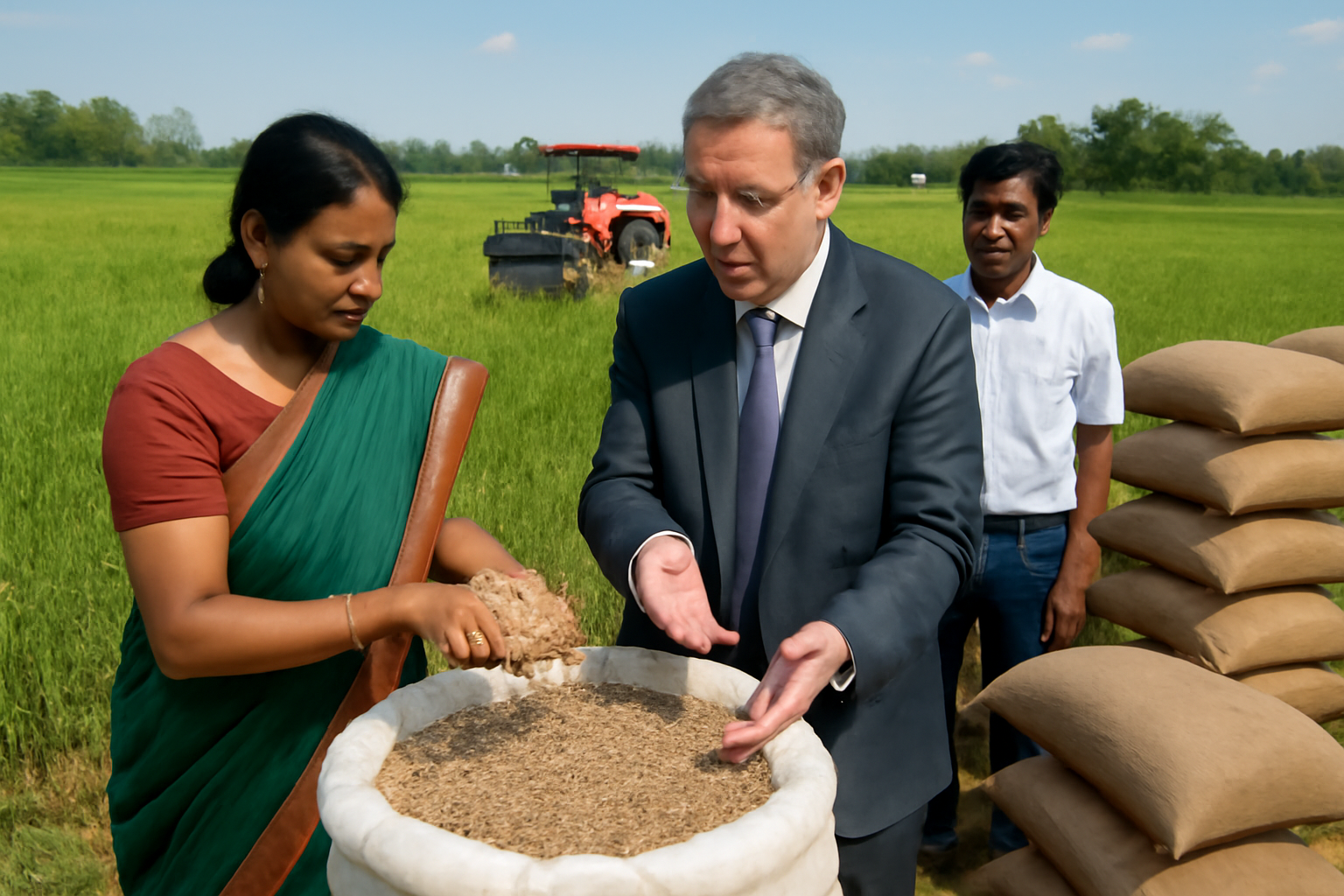
Technical partnership targets specialty rice
The International Rice Research Institute will provide technical support to the government of Odisha to expand the cultivation, processing and commercialisation of indigenous specialty rice varieties. The aromatic Kalajeera variety will serve as a principal demonstration crop, according to The New Indian Express and OMMCOM News.
The initiative was discussed in Bhubaneswar at a meeting between Deputy Chief Minister and Agriculture and Farmers’ Empowerment Minister Kanak Vardhan Singh Deo and an IRRI delegation led by principal scientist Nese Sreenivasulu. Agriculture Commissioner-cum-Secretary Sachin Ramchandra Jadhav and IRRI’s Odisha head Mukund Variar also participated. No cultivation target, project budget or implementation timetable was disclosed.
Quality control will be central to expansion
IRRI’s work will focus on retaining the natural aroma, genetic purity and grain quality of Kalajeera and other specialty varieties, including rice with a low glycemic index. The institute will also assist with post-harvest processing and the development of foods made from broken rice, turning a lower-value milling by-product into a potential source of additional revenue.
Scaling production without weakening Kalajeera’s distinctive characteristics will be critical to its premium positioning. Koraput Kalajeera received a Geographical Indication tag in January 2024. The variety is cultivated by tribal farmers in Koraput district and is valued for its aroma and small grain. Research published in Frontiers in Sustainable Food Systems said retail prices can reach Rs 300 per kilogram and linked growing demand to marketing efforts in Odisha and the national market.
Processing and market access remain the test
The state plans to strengthen local raw-rice mills and encourage parboiled-rice milling units. The wider programme also covers a proposed Speciality Rice and Millet Factory-cum-Training Centre in Bhubaneswar. Tathya reported that the pilot facility would include a laboratory and machinery for rice milling, millet processing and products such as specialty-grain cookies and ready-to-cook mixes. It is intended to train farmer producer organisations and women’s self-help groups in processing, packaging and enterprise management.
The commercial model has already been tested on a limited scale. A 3.6-tonne consignment of Sortex-processed, organically grown Koraput Kalajeera rice was dispatched to a buyer in Gurgaon under the IRRI Rice Value Addition Project, according to information published by project participants. The shipment connected farmer organisations in Koraput with an institutional customer, but it remains a small transaction rather than evidence of a large established supply chain.
Farmer income depends on coordinated supply
For growers, higher retail prices will translate into better income only if quality seed, aggregation, milling and reliable buyers expand together. Fragmented volumes or inconsistent processing could limit access to premium channels even if consumer interest rises. The proposed partnership therefore links conservation with commercial infrastructure instead of treating cultivation alone as the objective.
IRRI also invited the Odisha government to the national buyer-seller conference Beyond the Bowl. A related project, Promoting Women Entrepreneurship through Rice Value Addition, will facilitate exchanges with scientists from the Philippines. Its emphasis on women-led processing enterprises could retain more value in producing communities, while stronger buyer relationships may give farmers clearer demand signals before they increase acreage.