Iron Ore Rebounds Above CNY 740 as BHP Port Hedland Strike Looms for July 16
Iron ore futures climbed back above CNY 740 per ton after reports that workers at BHP's Port Hedland terminal in Western Australia plan an eight-hour strike on July 16. The walkout at the world's largest iron ore export hub, plus fresh Chinese restrictions on Fortescue, has revived supply-disruption concerns.
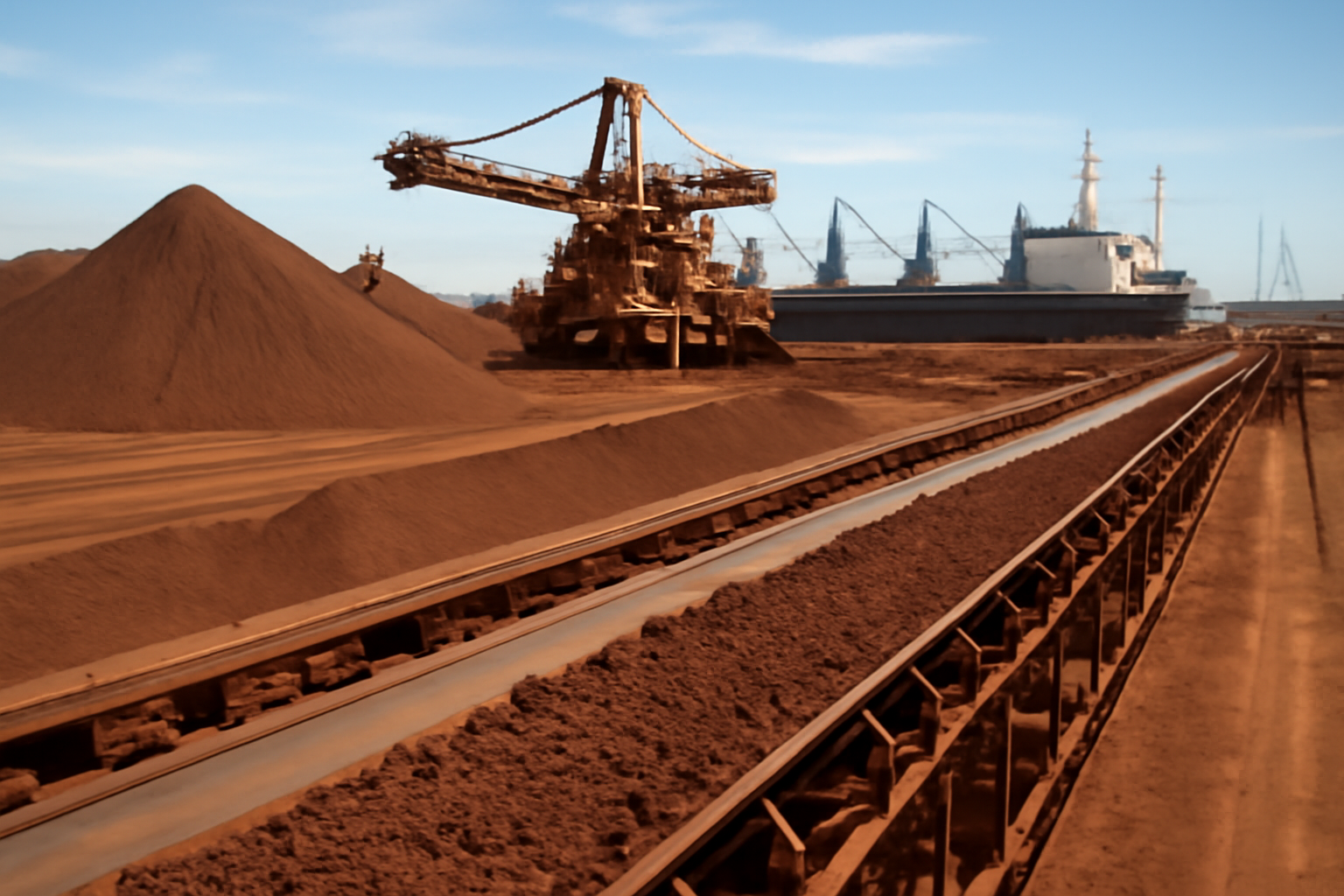
Iron ore futures rose above CNY 740 per ton, extending a rebound from near one-year lows, after reports that workers at BHP Group's Port Hedland iron ore terminal in Western Australia plan an eight-hour strike on July 16. The prospect of even a brief stoppage at the world's largest iron ore export hub has revived concerns over supply disruptions, according to hellenicshippingnews.com, citing Trading Economics.
What is planned at Port Hedland
The industrial action will involve operators and maintenance workers at the terminal. Employees are pushing for an agreement that better reflects their specialist skills, the challenging working conditions, and the significant personal costs of the job. The scheduled walkout is limited to eight hours, but its location gives it outsized weight for the seaborne market.
Port Hedland is the single most important outlet for Australian iron ore. The terminal exported 51 million tons of iron ore in May and a record 575 million tons last year. China accounts for the bulk of shipments through the port, making the facility a critical link in the supply chain that feeds Chinese steel mills.
Why the market reacted
Even a short interruption at a hub of Port Hedland's scale can tighten near-term cargo availability and shift sentiment in the futures market. The rebound above CNY 740 per ton comes after prices had slipped toward levels not seen in roughly a year, leaving the market sensitive to any headline that points to reduced supply.
- An eight-hour strike is scheduled for July 16 at BHP's Port Hedland terminal.
- The port shipped 51 million tons in May and a record 575 million tons last year.
- China takes the bulk of the port's iron ore exports.
Added pressure from China's buying arm
The supply picture is being complicated by a separate development. State-backed China Mineral Resources Group Ltd. recently broadened restrictions on Australian miner Fortescue Ltd., according to the same report. The move adds further pressure to global iron ore supply and layers a second source of uncertainty onto the market at the same time as the Port Hedland labor dispute.
What it means for trade flows
For importers and steelmakers in China, the combination of a planned stoppage at the largest export terminal and tighter conditions around Fortescue cargoes raises the risk of short-term disruption to Australian shipments. For exporters, the episode underscores how tightly the seaborne iron ore price is tied to operations at a handful of Western Australian terminals, where labor negotiations and buyer restrictions can move futures within a single session.
Points to watch
- Whether the eight-hour action on July 16 expands into longer or repeated stoppages.
- The outcome of the enterprise agreement talks over pay and conditions.
- Any further steps by China Mineral Resources Group affecting Fortescue volumes.