Iron ore prices fall as Guinea's Simandou exports ramp up
Benchmark iron ore prices have declined as exports from Guinea's Simandou project ramp up, MSN reports. The new West African supply is pressuring a seaborne market long dominated by Australia and Brazil and widening options for importers.
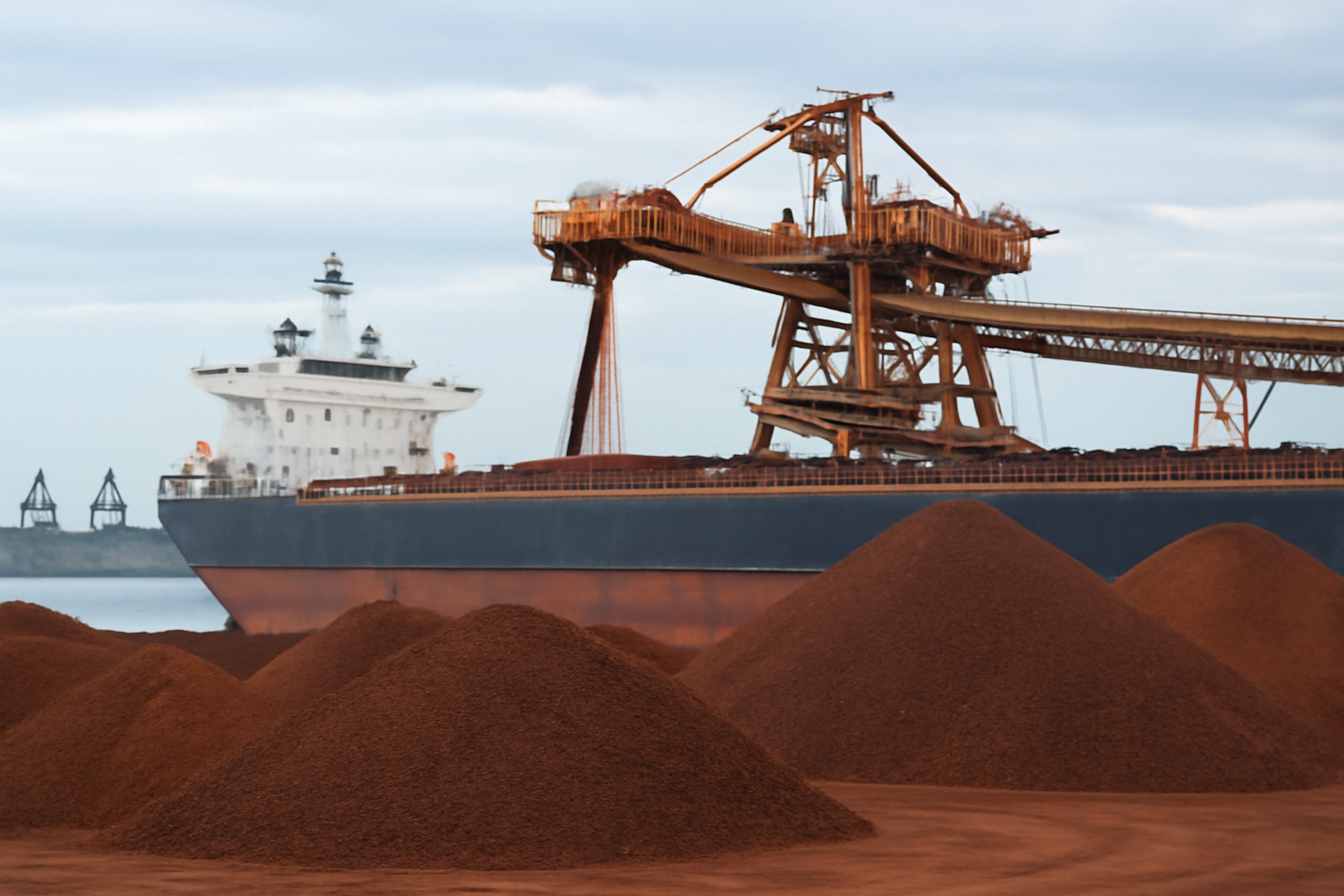
Iron ore prices under pressure as Simandou exports ramp up
Benchmark iron ore prices have fallen as exports from the Simandou project in Guinea accelerate, according to MSN. The West African deposit is pushing fresh volumes into a seaborne market long dominated by miners in Australia and Brazil, and the additional supply is starting to weigh on global prices. For importers and exporters, the ramp-up marks the arrival of a new force in a trade that has changed little in structure for years.
A new source of seaborne supply
Simandou ranks among the world's largest undeveloped high-grade iron ore deposits. As the project shifts from construction toward steady shipments, extra tonnes are entering the market at a moment when demand growth has been uneven. MSN links the current slide in prices directly to this ramp-up, framing Guinea's output as the swing factor that tipped an already well-supplied market lower. Higher-grade ore is particularly relevant for steelmakers looking to raise efficiency and cut emissions, which gives the new supply added commercial weight beyond raw volume.
Pressure on Australia and Brazil
Australia and Brazil have set the pace in seaborne iron ore for years, and their scale has kept the market concentrated among a handful of exporters. Guinea's emergence directly challenges that position. Every tonne shipped from Simandou competes with cargoes from the established suppliers, and a broader producer base tends to erode the pricing power that concentration once provided. The established exporters retain advantages in cost, infrastructure and long-standing customer relationships, but the competitive landscape is widening.
The shift also reshapes the geography of the trade. A significant new export corridor in West Africa adds shipping routes and diversifies the origins buyers can draw on, reducing reliance on the traditional Australia-Brazil axis and giving cargo flows a new anchor point.
What it means for buyers and sellers
For importers — above all the steel industry that anchors global iron ore demand — more supply and softer prices improve purchasing leverage and widen sourcing options. Buyers gain an alternative origin and a counterweight to incumbent suppliers in price negotiations.
For exporters, the calculus is tougher. Falling benchmarks compress margins across the board, and producers with higher costs are the most exposed as new low-cost, high-grade tonnes reach the market. The pace of Simandou's ramp-up will be decisive: a rapid build-up sustains downward pressure on prices, while a slower path would give incumbents more room to adjust. Either way, MSN's reporting points to a market entering a period of fuller supply and firmer competition.