Iron ore falls more than 1% in China as mill margins tighten and inventories rise
Iron ore prices fell more than 1% in China as higher coking-coal costs pressured steel mill margins. Rising inventories and recovering shipments also reinforced expectations of ample supply.
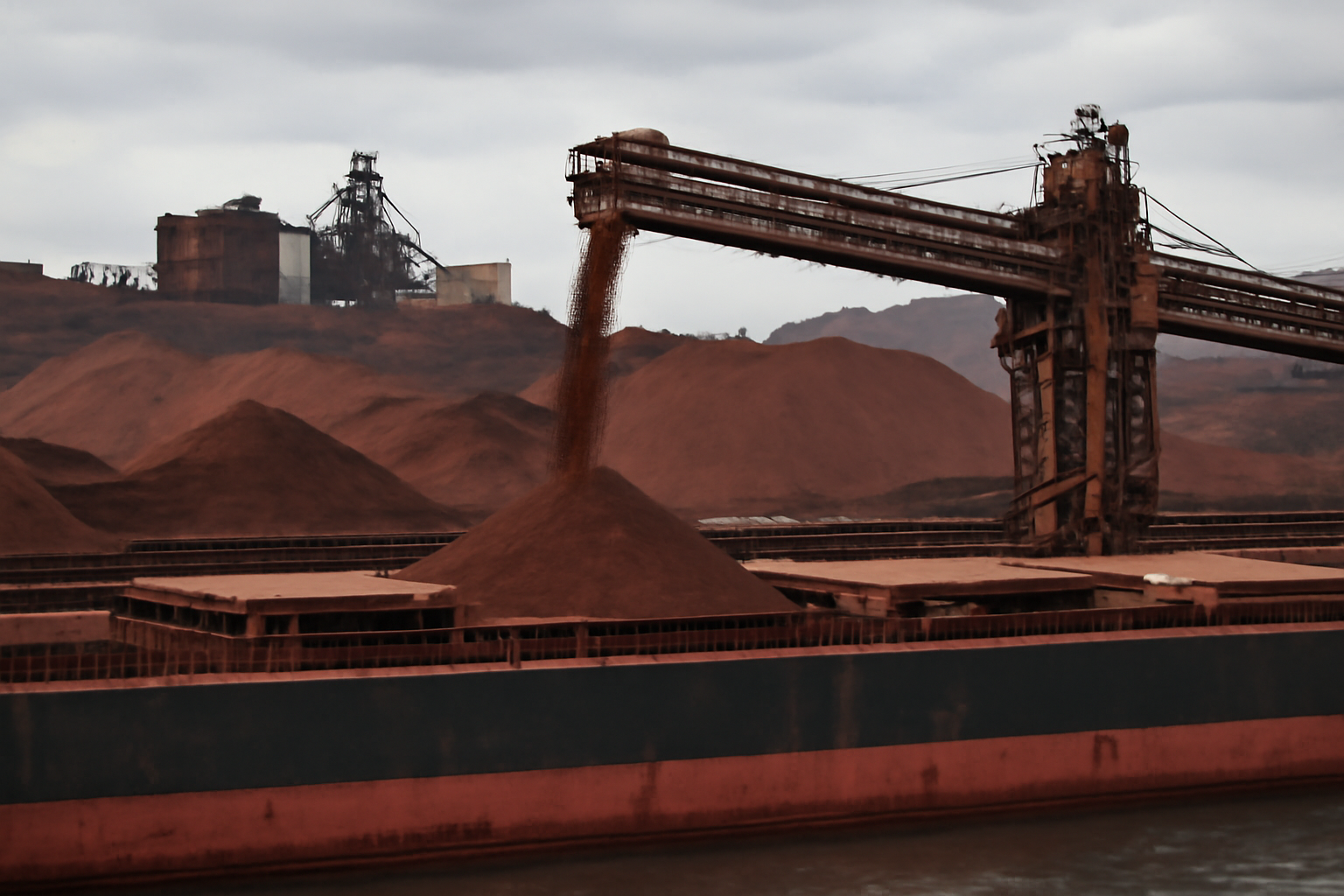
Higher input costs pressure steelmakers
Iron ore prices fell more than 1% in China as steel mills faced pressure from higher coking-coal costs, growing inventories and a recovery in shipments. The decline reflects a combination of weaker economics for ore buyers and expectations that available supply will remain ample.
Coking coal is a critical input in blast-furnace steelmaking. When its price rises, mills’ production costs increase even if steel and iron ore prices remain unchanged. That reduces the margin available to steel producers and can make them more cautious about purchasing raw materials, particularly when inventories are already building.
The pressure on mill margins is central to the latest move. Iron ore demand depends not only on steel output but also on the profitability of converting raw materials into finished products. Mills with compressed margins have less incentive to chase higher ore prices or replenish stocks aggressively. This can weaken spot-market sentiment before any material change in production becomes visible.
Inventories temper purchasing appetite
Rising iron ore inventories add another source of pressure. Larger stockpiles give steelmakers more flexibility over the timing of purchases and reduce the urgency to secure additional cargoes. For traders, increasing inventories can signal that supply is arriving faster than material is being consumed or that buyers are becoming more selective.
The inventory trend also changes the balance of risk for importers and sellers. Buyers holding adequate stocks can wait for more favorable prices, while suppliers and traders may face greater competition to place material. That dynamic can amplify price declines when mill margins are already weak.
Inventory growth does not automatically mean that steel production is falling. It can also reflect shipment timing, port arrivals or slower restocking decisions. In the current market, however, the combination of higher stocks and tighter processing margins is weighing on expectations for near-term ore purchases.
Recovering shipments reinforce ample-supply outlook
A recovery in shipments has reinforced the view that iron ore supply will be abundant. Stronger cargo availability matters for China because its steel industry relies heavily on seaborne ore. When shipments recover while inventories are rising, buyers have less reason to pay a premium for immediate delivery.
For producers and exporters, the price decline highlights the market’s sensitivity to Chinese mill profitability. A supply recovery can place additional pressure on prices if mills are simultaneously dealing with higher fuel and raw-material costs. Traders must therefore monitor both sides of the steelmaking equation: the flow of ore into China and the margins available to the mills consuming it.
The more than 1% fall does not by itself establish a longer-term direction. The immediate signal is nevertheless clear: higher coking-coal costs are limiting mills’ purchasing power, accumulated inventories are reducing urgency, and recovering shipments are supporting expectations that supply will be sufficient. A sustained improvement in iron ore demand would require mills to see better economics or inventories to tighten.