Irish Potato Yields Could Fall to 30 Tonnes per Hectare as Drought Hits Unirrigated Fields
Drought and a delayed planting season could cut yields on some Irish potato farms from an expected 50 tonnes per hectare to no more than 30 tonnes. Producers face costs of about €10,000 per hectare after prices for the previous crop fell as low as €80–100 per tonne.
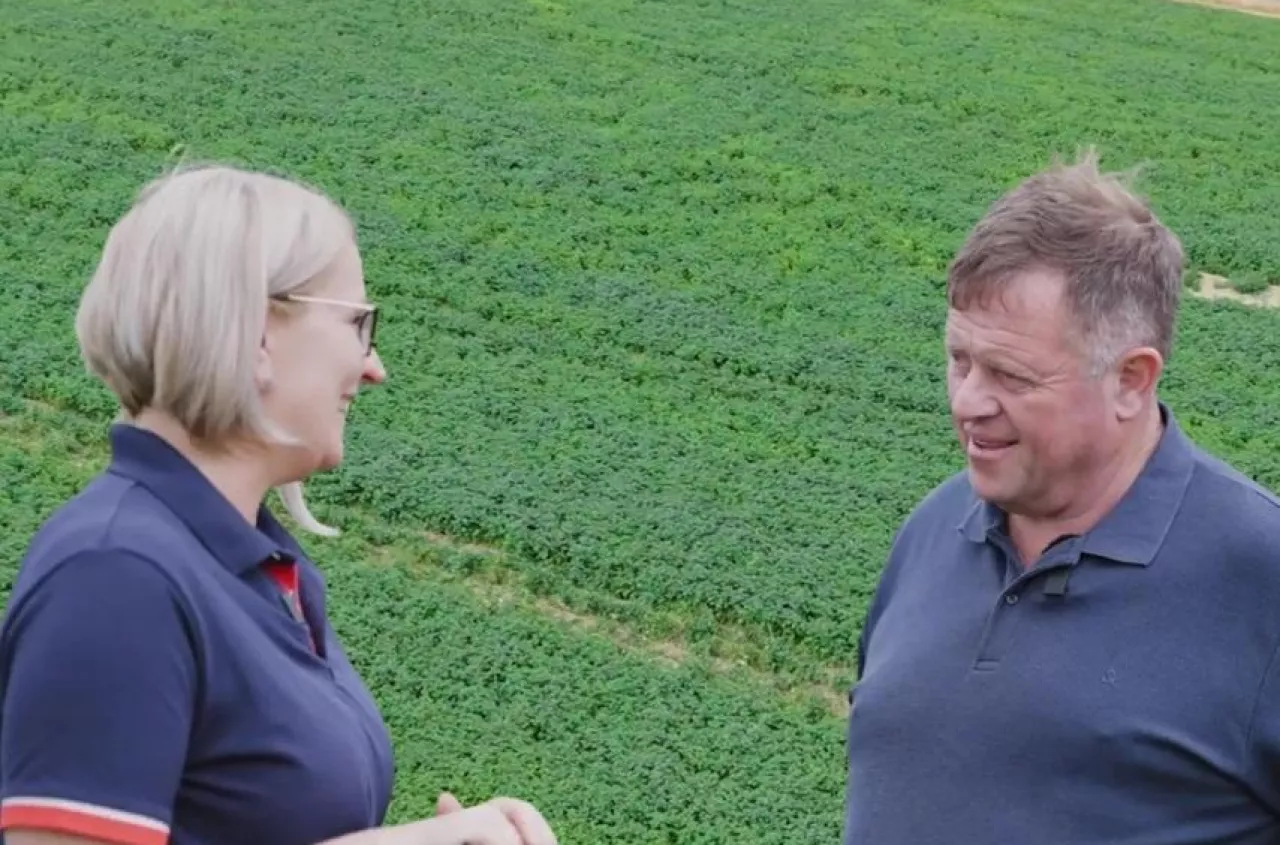
Drought exposes Ireland’s limited irrigation capacity
Drought and unusually high temperatures are reducing yield prospects for unirrigated potato fields in Ireland, according to top agrar Polska. The pressure follows a cold, wet April 2026 that delayed most planting until late April and May. After planting, farms received very little rain for four to five weeks, leaving crops on sandy soils particularly exposed to moisture stress.
Irish growers have historically invested little in irrigation because excessive water was more often a problem than drought. Annual precipitation ranges from about 900 mm in the east to 1,800–1,900 mm in western and southern areas. Sprinkler systems therefore remain uncommon, limiting farmers’ ability to protect yields during an exceptionally dry summer.
Thomas Carpenter, whose brother grows potatoes around 50 km north of Dublin, told top agrar Polska that the farm had expected about 50 tonnes per hectare but may harvest no more than 30 tonnes. Its recent average was approximately 45–50 tonnes per hectare, while the favorable previous season produced 10–15% more. National average yields are around 45–49 tonnes per hectare, based on data from Ireland’s agriculture and food development authority Teagasc.
Late crop faces a shorter growing window
The farm planted its Rooster potatoes on May 4 and expects to harvest between October 7 and 15. Rooster is a late-maturing, red-skinned Irish variety registered in 1991. It contains 21–23% dry matter, remains particularly popular with supermarkets and accounts for an estimated 70% of Irish potato production.
Ireland grows potatoes on more than 8,000 hectares, operated by only about 300 farmers. The cultivated area was substantially larger 20 years ago. With little domestic potato-processing industry, production now focuses mainly on table potatoes, concentrating growers’ exposure to supermarket, food-service and open-market demand.
The dry weather has reduced late-blight pressure and extended intervals between fungicide applications to about 10–14 days. Growers are applying treatments late in the evening or early in the morning to avoid adding stress during strong sunlight. Carpenter described such conditions as occurring roughly once every 10 years.
Weak prices collide with €10,000-per-hectare costs
The expected yield loss follows a difficult marketing season. Premium washed Rooster potatoes for supermarkets traded at about €300–350 per tonne in October 2025, but prices subsequently declined through the winter. Food-service potatoes, including prepared and peeled product, fell as low as €80 per tonne. In May and June 2026, some remaining potatoes from the previous harvest sold for €80–100 per tonne when buyers could be found.
Production now costs approximately €10,000 per hectare. Land suitable for potato rotations can rent for about €2,000 per hectare when it has not carried potatoes for at least 10 years, while solid mineral fertilizer cost around €1,200 per hectare this season, excluding foliar products. Machinery and fuel add further pressure. The crop is not contracted and will be sold on the open market. Growers hope reduced output will lift prices, recalling that lower-production years in 2012 and 2023 brought €400–600 per tonne. For now, Carpenter said current prices remain too low to cover production costs.