Irish grass-fed beef enters Ho Chi Minh City with tariff-free access
Ireland has introduced grass-fed beef in Ho Chi Minh City after Vietnam authorized imports in January 2026. A 0% EVFTA tariff supports its premium-market prospects, but suppliers still need broader distribution and stronger product recognition.
Irish beef makes its Vietnam debut
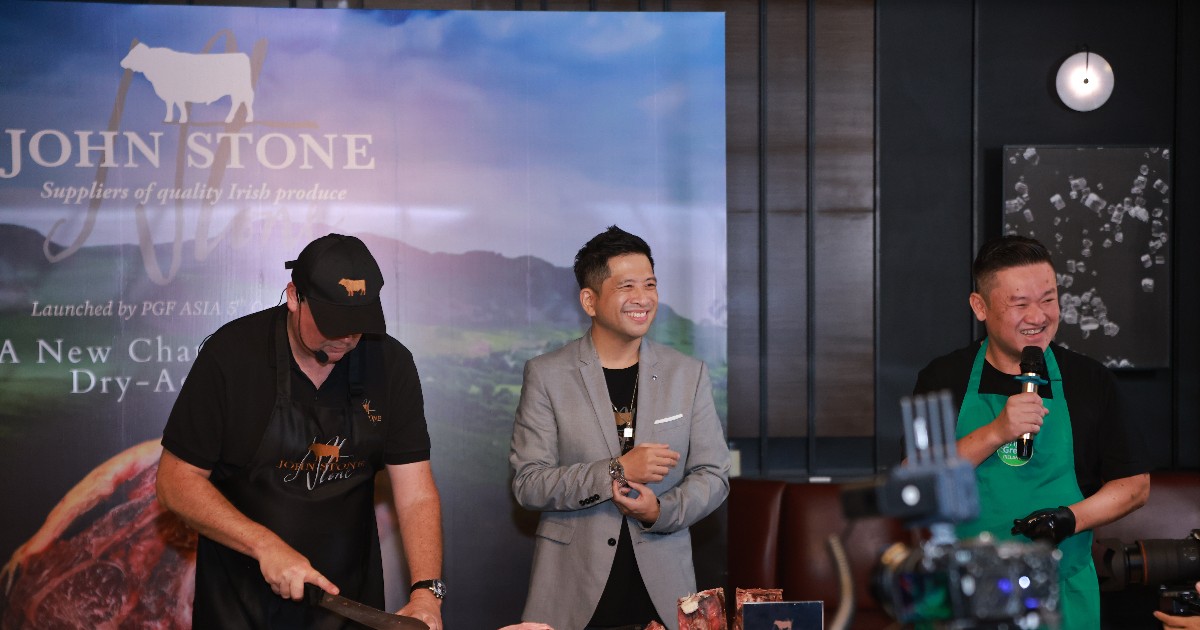
Ireland’s food board, Bord Bia, formally introduced Irish grass-fed beef in Ho Chi Minh City on October 5, following Vietnam’s decision to authorize imports of Irish beef from January 2026. The opening gives Irish suppliers access to a growing market for high-quality imported meat and expands the range of European beef available to Vietnamese buyers.
Ronan Cunniffe, Ireland’s Deputy Ambassador to Vietnam, said the market opening resulted from cooperation between regulators and companies in both countries. It also gives Vietnamese consumers their first access to Irish beef and creates additional scope for agricultural and food trade between Ireland and Vietnam.
Ireland enters the market with a large export industry behind it. According to Bord Bia, Irish beef exports were worth about €3.4 billion in 2025, up 24% from the previous year. Exports of beef offal reached €155 million, an increase of 12%.
Premium food-service segment is the first target
John Stone Fine Foods, which has operated in the beef sector for about 60 years, is bringing grass-fed and dry-aged products to Vietnam through its partner Passion Gourmet Foods. The initial customer base includes restaurants, hotels and consumers seeking premium beef. Bone-in cuts and pre-portioned products are intended to cover different preparation methods and kitchen requirements.
The supplier is also presenting Irish beef as compatible with Vietnamese and wider Asian flavors. At the launch, dry-aged beef was served in dishes inspired by Vietnamese and Japanese cooking, using ingredients including pickled eggplant, mắc khén spice, Vietnamese herbs, flavored salts and local-style sauces.
Kitchen-ready specifications may be commercially important for food-service operators. Dry-aged, trimmed and pre-portioned cuts can reduce preparation losses and make food costs and margins easier to calculate. Bord Bia is also emphasizing traceability and production standards through Origin Green, Ireland’s national sustainability program for food and drink. Its independently verified criteria cover carbon-emission reductions, animal welfare and traceability.
Tariff advantage does not remove market-entry costs
Irish beef benefits from a 0% tariff under the EU-Vietnam Free Trade Agreement, improving its ability to compete in the premium segment. The tariff removes one cost barrier, but commercial expansion will still depend on distributor coverage, access to restaurant networks and the development of product recognition among Vietnamese consumers.
Bord Bia published its Vietnam 2026 Beef Market Entry Guide in May 2026 and organized a visit by Vietnamese importers to Ireland in August. The program presented pasture-based farming, processing practices and quality standards. Lorna Allen, Bord Bia’s Southeast Asia director, described Vietnam as one of Ireland’s important regional markets as consumers pay more attention to quality, origin and food safety. Bord Bia now expects to deepen cooperation with importers, chefs and retailers, the channels that will determine whether Irish beef can move beyond a specialized premium niche.