Iraq shifts surplus fuel oil and naphtha exports to northern land crossings
Iraq’s Southern Refineries Co. is using northern land crossings to export surplus fuel oil and naphtha after military events affected shipments through Khor al-Zubair port. The Basra refinery continues to supply the domestic market while operating below its 280,000-barrel-per-day design capacity during the summer heat.
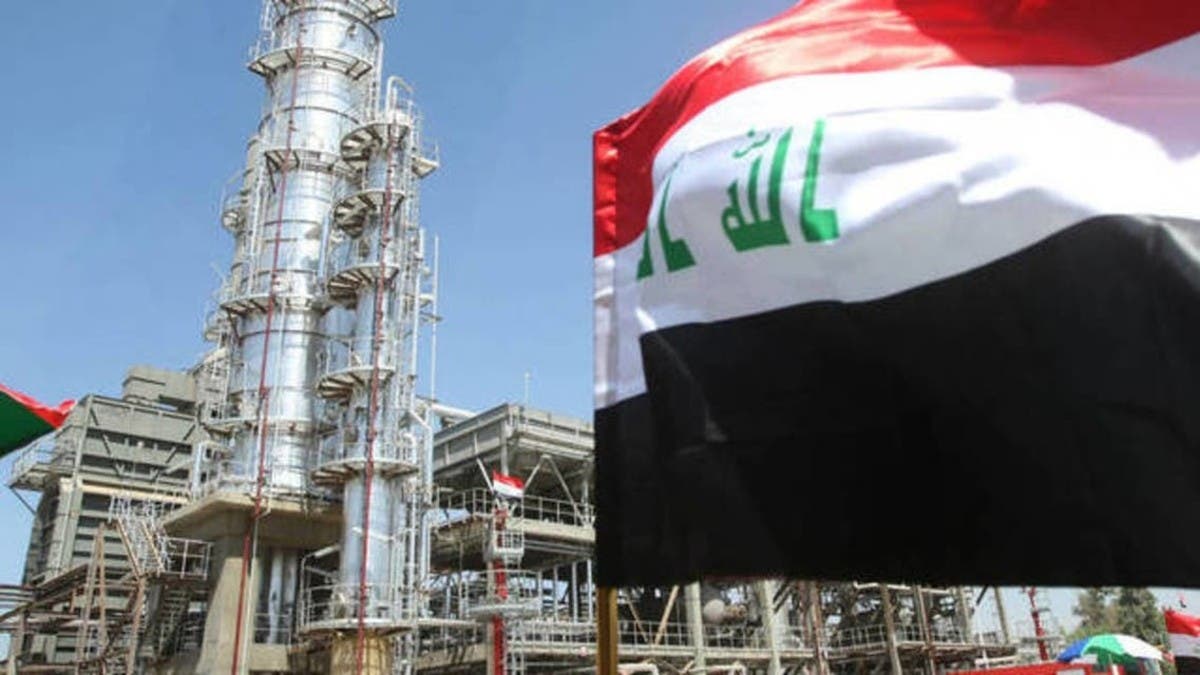
Surplus products move overland
Iraq’s Southern Refineries Co. has adopted northern land crossings for exports of surplus fuel oil and naphtha after military events in the region affected operations through Khor al-Zubair port. The alternative arrangements are being coordinated with Iraq’s state oil marketer, SOMO, according to company statements carried by the Iraqi News Agency and reported by Ajel.
The company did not identify the crossings, destination markets or volumes being rerouted. It also did not say that refinery production had stopped. Hussam Hussein, director general of Southern Refineries Co., said the recent disruption was limited to exports of surplus fuel oil and naphtha and did not affect gasoline. The distinction is important for Iraq’s domestic fuel market: the logistical problem concerns the disposal of excess refinery products rather than the availability of gasoline to local consumers.
Basra refinery holds output near 250,000 barrels per day
Southern Refineries Co. continues to produce about 250,000 barrels per day of petroleum products. The Basra refinery has a design capacity of 280,000 barrels per day, but summer temperatures have led the operator to reduce throughput to roughly 250,000 barrels per day to preserve the efficiency of its processing units.
Hussein said three production units currently operate with combined capacity of about 180,000 barrels per day. A fourth unit is brought online when the company can increase the movement of surplus products, lifting operating capacity to approximately 250,000 barrels per day. This link between product evacuation and refinery utilization means that access to export routes can influence how much capacity the operator deploys, even when domestic demand remains covered.
Domestic gasoline supplies remain stable
The refinery’s three operating units produce close to 6,000 cubic metres of gasoline per day. Southern Refineries Co. said this output continues to meet the domestic market’s requirements and supports stable local supply. The company has therefore presented the port disruption as an export constraint affecting fuel oil and naphtha, not as a shortage of gasoline.
Southern Refineries Co. nevertheless imported gasoline and gas oil recently after one production unit stopped and inventories declined. Hussein said the combination of domestic production and imports was securing market needs. For refiners and traders, the immediate issue is whether the new land channels can absorb surplus fuel oil and naphtha reliably enough to avoid storage pressure and support the use of the fourth production unit. The available statement provides no timetable for restoring normal exports through Khor al-Zubair, leaving the duration of the overland arrangement uncertain.