Iraq’s Potato Import Halt Eases Prices in Iran as Export Demand Weakens
Iraq’s suspension of potato and other vegetable imports has reduced Iranian exports and eased pressure on the domestic market. Iranian reports put Tehran potato prices around 69,000 tomans, while wholesale Shiraz onion prices fell to 45,000 tomans.
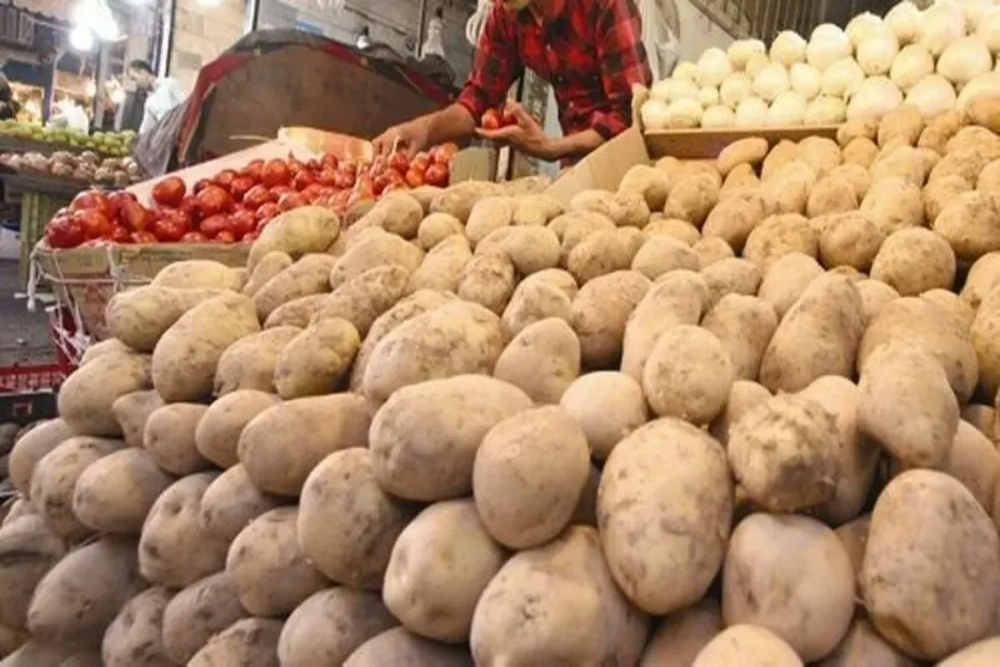
Iraqi demand had lifted domestic prices
Iraq’s suspension of potato and other vegetable imports has reduced Iranian exports and helped stabilize Iran’s domestic produce market after cross-border demand pushed prices above customary levels. The change shows how quickly purchasing decisions in a neighboring market can affect prices received by Iranian wholesalers and paid by consumers.
Reza Nourani, head of Iran’s National Agricultural Products Union, said there was no shortage of produce. According to Quds Online, however, stronger exports during the previous one or two months—particularly shipments to Iraq—had put pressure on domestic prices. Nourani also said supervision of those flows had been insufficient while prices moved outside their usual range.
Potatoes were among the products most exposed to that export-driven pressure. Iraq subsequently prohibited imports of Iranian potatoes and some other vegetable crops. The resulting decline in exports increased the volume available inside Iran and made the domestic market more balanced, according to Nourani.
Reports place potatoes around 69,000 tomans
Hamshahri Online reported that Iraq’s import stoppage brought the Iranian potato price down to 69,000 tomans. Quds Online described the sequence somewhat differently, saying potatoes had been offered for as much as 69,000 tomans at Tehran municipality fruit and vegetable markets before prices became more balanced. Neither report provided an earlier comparison price, a current range by grade or an export-volume estimate.
The distinction matters for traders assessing the market. The available reporting establishes 69,000 tomans as the key observed price level, but it does not quantify the size of the decline following Iraq’s decision. It does, however, connect the change in market direction directly to reduced exports rather than to a domestic supply shortage.
For Iranian growers and wholesalers, weaker Iraqi purchasing means more potatoes must be absorbed by local channels. That can reduce near-term selling prices and improve availability for domestic buyers, while also increasing pressure on producers and merchants holding perishable stocks. For Iraqi importers, the prohibition removes a nearby source of supply, although the reports do not specify its duration, the reason for the measure or whether replacement suppliers are being used.
Onion supply rises as storage risks limit holding
The adjustment has extended beyond potatoes. Nourani said onion availability had increased and that the wholesale price of Shiraz onions in produce markets had fallen to 45,000 tomans. The sources did not state that Iraq’s prohibition alone caused the onion decline, but they placed the movement within the broader cooling of a market previously affected by agricultural exports.
Nourani rejected suggestions that onion hoarding was responsible for market conditions. He said warm weather raises the risk of onions spoiling in warehouses, while cold storage adds significant cost. Those constraints make prolonged stockholding less attractive and encourage supplies to reach wholesale markets.
The episode highlights the exposure of Iran’s fresh-produce sector to abrupt changes in regional access. When exports to Iraq accelerated, domestic potato prices departed from normal levels despite sufficient supply. Once Iraqi purchases stopped, export pressure eased and the market moved toward balance. Producers now face softer demand, while Iranian wholesalers and consumers benefit from greater availability; the next price direction will depend in part on whether Iraqi access remains restricted.