Iranian rial weakens as dollar tops 266,000 tomans and euro passes 300,000
The dollar exceeded 266,000 tomans and the euro passed 300,000 tomans in Iran’s free market on 11 Mehr, Iran International reported. The renewed currency decline raises procurement risks for importers, particularly in sectors dependent on foreign currency for medicines and medical equipment.
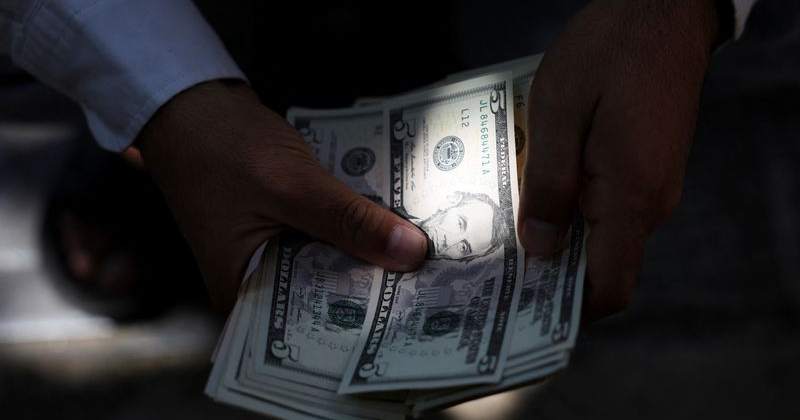
Foreign currencies reach new milestones
The US dollar exceeded 266,000 tomans for the first time in Iran’s free market as trading opened on Saturday, 11 Mehr, while the euro moved above 300,000 tomans, according to Iran International. Gold and Iranian gold coins also rose, extending a broad move toward assets commonly used by households and businesses to protect purchasing power when the rial weakens.
The reported levels provide a new reference point for Iranian importers, wholesalers and manufacturers that need foreign currency. The immediate effect depends on whether a company receives currency through an official allocation mechanism or must buy it in the free market. Businesses exposed to the latter face a higher rial cost for every dollar or euro of imported goods, components and raw materials.
The report did not provide a percentage change, a previous closing rate or trading volumes. That limits direct comparison with earlier sessions, but crossing 266,000 tomans for the dollar and 300,000 for the euro still matters for pricing decisions. Suppliers may shorten quotation periods, request advance payment or add wider currency buffers when exchange rates move rapidly.
Medicine supply highlights import exposure
The currency move comes as Iran’s healthcare sector faces shortages and sharp price increases. Iran International reported that patients had reduced their medicine use because products were scarce or expensive. Citizens said some pharmacies had suggested herbal products or treatments described as traditional medicine when prescribed specialist drugs were unavailable.
Accounts from patients and warnings from pharmaceutical trade bodies indicate that prices for some medicines increased by as much as 400% in recent months, according to the publication. Salman Eshaqi, spokesman for parliament’s Health Commission, said patients now pay more than 80% of treatment expenses out of pocket and warned against removing subsidised currency for medicines and raw materials used in medical equipment.
Eshaqi questioned why medicines were not being imported from Russia and China, given Iran’s relations with both countries. He also criticised the allocation of foreign currency for imported gloves despite domestic production. Another Health Commission member, Reza Jabbari, said some medicines were priced 200% to 300% above their real price.
Currency access becomes the central commercial risk
A weaker free-market rial does not automatically produce the same increase in every retail price. The transmission depends on official exchange arrangements, inventories, domestic production and price controls. However, the widening burden becomes clearer when importers cannot obtain subsidised currency or must replace stocks purchased at an earlier exchange rate.
Eshaqi said the healthcare sector requires $3.5 billion annually. He also claimed that $100 billion held by trustees had not been returned, including $20 billion controlled by one unnamed bank. Those statements were not accompanied in the report by an independent verification of the amounts.
For producers and traders, the main question is therefore not only the headline exchange rate but also the availability and timing of foreign-currency allocations. Delays can interrupt purchases even when demand remains strong. For import-dependent industries, the latest milestones increase the probability of higher replacement costs, tighter supplier credit and more frequent repricing. For domestic manufacturers, the effect is mixed: imported competitors become more expensive, but machinery, components and specialised inputs priced in dollars or euros also cost more.