Iran’s Underused CNG Network Could Ease Its Growing Gasoline Deficit
Iran consumes about 16 million cubic metres of CNG a day despite having capacity to supply 35-40 million. Reviving the network could curb gasoline pressure, but ageing vehicles, weak dual-fuel car production and unreliable station economics remain obstacles.
Gasoline pressure revives interest in CNG
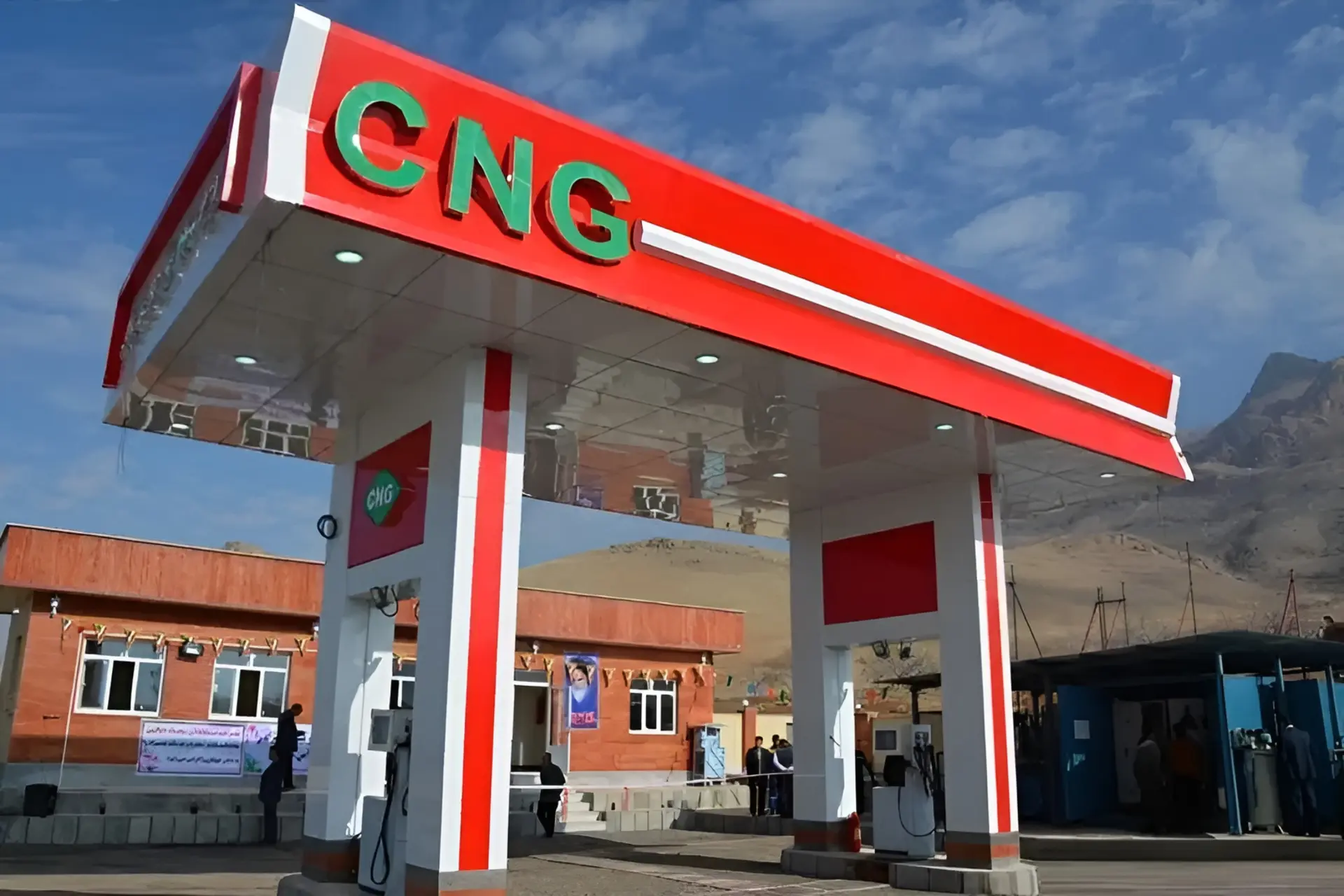
Iran is looking again at compressed natural gas as gasoline consumption rises and much of the country’s existing CNG infrastructure remains underused. Pedal reports that gasoline demand is growing by 6-8% annually, while some experts estimate the daily supply imbalance at about 15-20 million litres.
The country’s CNG stations can supply an estimated 35-40 million cubic metres per day, but current consumption is about 16 million cubic metres. That leaves a large block of installed capacity idle and gives policymakers a potentially rapid, non-price tool for reducing gasoline demand without building an entirely new fuel network.
Iran has already invested heavily in the sector. According to the head of the CNG association, about $4 billion went into industry infrastructure and another $5 billion into related automotive capacity. That investment covers stations, equipment, production lines and dual-fuel vehicles, many of which are not operating at their intended utilisation rates.
Vehicle supply and ageing tanks constrain demand
Infrastructure alone has not produced a durable market. Drivers also need suitable vehicles, accessible and functioning stations, safe tanks and a clear economic advantage over gasoline. Queues at some stations, equipment failures, reduced driving range and the loss of luggage space in some vehicles have weakened the appeal of CNG.
Automakers were required under high-level policy documents to produce at least 30% of their vehicles as dual-fuel models, according to the association’s head. Their actual share in recent years, however, has been about 0-4%. The mismatch has left a large refuelling network serving limited new-vehicle demand.
The existing fleet presents another challenge. Iran has about 4.5 million dual-fuel vehicles, and tanks in roughly 1.2 million of them will reach the end of their service life in the coming years. Testing, replacement or renewal will be needed to prevent the active CNG fleet from shrinking even if no further drivers abandon the fuel.
One recent measure has made CNG free at more than 1,000 stations. The incentive may lift demand in the short term, but Pedal notes that free fuel cannot by itself create a sustainable market. Station service quality, maintenance costs, availability and the long-term relationship between gasoline and CNG prices will determine whether drivers continue using it.
A transitional option, not a complete solution
Recent reports have suggested that one cubic metre of CNG replaces one litre of gasoline, but the relationship is not mechanically exact. Vehicle specifications, engine efficiency, driving conditions and fuel composition all affect the result. Raising CNG use from 16 million to 35 million cubic metres per day therefore would not necessarily remove precisely 19 million litres of gasoline demand.
Even so, greater use of the installed network could release meaningful gasoline volumes and reduce pressure on domestic production or imports. CNG is particularly suited to high-mileage fleets such as taxis, pickup trucks and light commercial vehicles. Iran starts with thousands of stations, an extensive gas network, millions of dual-fuel vehicles and an established equipment industry.
The policy also carries limits. A vehicle consuming 12-15 litres of gasoline per 100 kilometres remains inefficient after conversion, so CNG cannot replace measures to improve vehicle efficiency. Hybrids can reduce urban fuel consumption without an extensive charging network, while electric vehicles require major investment in power generation, distribution and charging infrastructure.
Natural gas availability must also be considered. Iran has large reserves, but household and power-sector demand rises in winter and the gas network faces constraints. A multi-year CNG programme would therefore need to coordinate vehicle production, tank renewal, station economics and seasonal gas supply. Used this way, existing CNG capacity can provide relatively quick relief while Iran develops more efficient vehicles and other transport-energy options.